


















• SHQIPËRI
  • KOSOVË
  • MAQEDONIA E VERIUT
  • MALI I ZI
  • Revista në PDF
23 July, 2026
  • Home
  • OP/ED

    The Self-Inflicted Decoupling: How U.S. Immigration Policy Is Ceding the Tech Edge to China

    The Blueprint Does Not Stop at the Drina

    The Underlying Logic behind China’s Economic Success

    Do Not Misuse the U.S. Declaration of Independence to Justify the Narrative of Insurrection in Albania

    The visit that changed Albania’s strategic future

    Pierre Nora and the institution of memory we lack in Eastern Europe

    The Blueprint of a Diplomatic Debacle: Analyzing Germany’s Historic UNSC Loss

    Between Russia, Iran and Europe: Azerbaijan as a balancing power in the South Caucasus

    The Zero-Tariff Gate: Sovereignty as a Service in the Sino-African Corridor

  • Interview

    Exclusive Interview with Oleksandr Tyshchenko: A 40-Year Legacy of Chernobyl, Nuclear Risks, and Global Responsibility

    INTERVIEW: ZLATKO KRAMARIĆ – THOUGHTS ON THE OLD CONTINENT

    EXCLUSIVE / Ukrainian Ambassador to Albania, Volodymyr Shkurov: “Ukraine wants peace, but not at the expense of its freedom and independence”

    EXCLUSIVE| Ambassador Tayyar Kagan Atay: Türkiye and Albania, a Strategic Partnership Rooted in Shared Heritage and a Common Vision for the Future

    “Diplomacy, Not War”: Palestinian Ambassador to Albania Calls for Justice, Peace, and Global Action for Gaza

    Exclusive: “Even After Tito – Tito”/ Ambassador Zlatko Kramarić on Authoritarian Legacies and Democracy’s Future in the Balkans

    The Conclusion of the Diplomatic Mission / Ambassador Dancho Markovski: Strengthening Albania-North Macedonia Relations for a Shared European Future

    A Century of Diplomatic Relations Between Albania and Russia: Exclusive Interview with the Russian Ambassador to Albania, H.E. Alexey Zaytsev

    Exclusive/ The chairman of the Freedom Party, Ilir Meta: “The will of the citizens will triumph in Albania, as it did in North Macedonia”

  • Realpolitik

    The Summit of Unity! Think of peace and prepare for war! It’s only the start to the end! Just a pause between two wars!

    Peace with war diplomacy! The protest,  image and tourism! Why this silence from the EU Commission and Council? A deal or a pause?

    Just kind words  in Tivat! Where is the peace!? A deal yes, peace No!What is happening with USA and  EU?  5 elections but no solution!

    IBAR? ”Sufficiently! Much ado about nothing! Shart contrasts in Beijing! Where is the exit?!

    Neither peace nor war! Peace with bombs?! IBAR in autumn?! Not another Hormuz in Taivan! 

    IBAR – a springing board or an obstacle? Can we catch the EU Negotiation train 2027? When the dress makes the news!  EU electoral April  ends in a draw 1:1!  

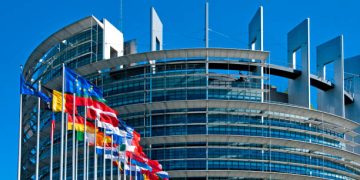
    The European Parliament building in Strasbourg, France with flags waving calmly celebrating peace of the Europe. July 12, 2020.

    EU 2027 or 2037! Even half membership failed! No exit strategy!     

    What next?

    “With diplomatic velvet“! Major question marks! In Washington yes, but  in the White House NO! A strange dinner in Brussels!

  • Current Events

    Who Is Interested in War in the Balkans?

    From Calculating Executions to Justifying Ethnic Cleansing

    When Algorithm Becomes the Most Powerful Manipulator: The Case of the Protests in Tirana

    NATO Summit in Ankara: Allies Adopt Declaration Reaffirming Collective Defence and Long-Term Security Commitments

    The Diplomacy of Gas and Algorithms: The Nuances of Official Tirana—Is It Breaking the European Taboo with Azerbaijan?

    Protection for Serbs, or Protection for Radoicic?

    The Architecture of Selective Sovereignty:Corporate Immunity, Technological Protectionism, and the Erosion of Credibility

    Montenegro’s Unfinished Transition

    The Paradox of Selective Capitalism: How Western Rule-Breaking Accelerates Its Own Systemic Demise

  • Top News

    The Council of Albanian Ambassadors condemns chauvinistic rhetoric by Serbian officials and calls for diplomatic action

    NATO at Ankara 2026: Strategic Rebalancing Between Russia Deterrence, Turkey’s Rise, and National Interests

    Daniel Serwer: A Bad War Ending Badly May Still Be Good News

    Friedrich Merz, Keir Starmer, António Costa, Donald Trump, Emmanuel Macron, Mark Carney, Ursula von der Leyen, Giorgia Meloni and Sanae Takaichi

    G7 Leaders Gather in Évian Amid Global Uncertainty, Focus on Security, Economy and International Cooperation

    Russian Ambassador in Tirana: “Without a Strong and Sovereign Russia, the Creation of a Just World Order Is Impossible”

    “The Flamingo Revolution”: Day 10 of Protests in Albania Draws International Attention

    Rama alleges ‘hybrid war’ behind protests against Kushner-linked coastal development

    No End in Sight: Trump, Netanyahu and the Expanding Middle East War

    Tirana – €20 Million EU–Banking Agreement Boosts Albanian SMEs

  • YOUR VOICE
  • Shqip
No Result
View All Result
Argumentum
  • Home
  • OP/ED

    The Self-Inflicted Decoupling: How U.S. Immigration Policy Is Ceding the Tech Edge to China

    The Blueprint Does Not Stop at the Drina

    The Underlying Logic behind China’s Economic Success

    Do Not Misuse the U.S. Declaration of Independence to Justify the Narrative of Insurrection in Albania

    The visit that changed Albania’s strategic future

    Pierre Nora and the institution of memory we lack in Eastern Europe

    The Blueprint of a Diplomatic Debacle: Analyzing Germany’s Historic UNSC Loss

    Between Russia, Iran and Europe: Azerbaijan as a balancing power in the South Caucasus

    The Zero-Tariff Gate: Sovereignty as a Service in the Sino-African Corridor

  • Interview

    Exclusive Interview with Oleksandr Tyshchenko: A 40-Year Legacy of Chernobyl, Nuclear Risks, and Global Responsibility

    INTERVIEW: ZLATKO KRAMARIĆ – THOUGHTS ON THE OLD CONTINENT

    EXCLUSIVE / Ukrainian Ambassador to Albania, Volodymyr Shkurov: “Ukraine wants peace, but not at the expense of its freedom and independence”

    EXCLUSIVE| Ambassador Tayyar Kagan Atay: Türkiye and Albania, a Strategic Partnership Rooted in Shared Heritage and a Common Vision for the Future

    “Diplomacy, Not War”: Palestinian Ambassador to Albania Calls for Justice, Peace, and Global Action for Gaza

    Exclusive: “Even After Tito – Tito”/ Ambassador Zlatko Kramarić on Authoritarian Legacies and Democracy’s Future in the Balkans

    The Conclusion of the Diplomatic Mission / Ambassador Dancho Markovski: Strengthening Albania-North Macedonia Relations for a Shared European Future

    A Century of Diplomatic Relations Between Albania and Russia: Exclusive Interview with the Russian Ambassador to Albania, H.E. Alexey Zaytsev

    Exclusive/ The chairman of the Freedom Party, Ilir Meta: “The will of the citizens will triumph in Albania, as it did in North Macedonia”

  • Realpolitik

    The Summit of Unity! Think of peace and prepare for war! It’s only the start to the end! Just a pause between two wars!

    Peace with war diplomacy! The protest,  image and tourism! Why this silence from the EU Commission and Council? A deal or a pause?

    Just kind words  in Tivat! Where is the peace!? A deal yes, peace No!What is happening with USA and  EU?  5 elections but no solution!

    IBAR? ”Sufficiently! Much ado about nothing! Shart contrasts in Beijing! Where is the exit?!

    Neither peace nor war! Peace with bombs?! IBAR in autumn?! Not another Hormuz in Taivan! 

    IBAR – a springing board or an obstacle? Can we catch the EU Negotiation train 2027? When the dress makes the news!  EU electoral April  ends in a draw 1:1!  

    The European Parliament building in Strasbourg, France with flags waving calmly celebrating peace of the Europe. July 12, 2020.

    EU 2027 or 2037! Even half membership failed! No exit strategy!     

    What next?

    “With diplomatic velvet“! Major question marks! In Washington yes, but  in the White House NO! A strange dinner in Brussels!

  • Current Events

    Who Is Interested in War in the Balkans?

    From Calculating Executions to Justifying Ethnic Cleansing

    When Algorithm Becomes the Most Powerful Manipulator: The Case of the Protests in Tirana

    NATO Summit in Ankara: Allies Adopt Declaration Reaffirming Collective Defence and Long-Term Security Commitments

    The Diplomacy of Gas and Algorithms: The Nuances of Official Tirana—Is It Breaking the European Taboo with Azerbaijan?

    Protection for Serbs, or Protection for Radoicic?

    The Architecture of Selective Sovereignty:Corporate Immunity, Technological Protectionism, and the Erosion of Credibility

    Montenegro’s Unfinished Transition

    The Paradox of Selective Capitalism: How Western Rule-Breaking Accelerates Its Own Systemic Demise

  • Top News

    The Council of Albanian Ambassadors condemns chauvinistic rhetoric by Serbian officials and calls for diplomatic action

    NATO at Ankara 2026: Strategic Rebalancing Between Russia Deterrence, Turkey’s Rise, and National Interests

    Daniel Serwer: A Bad War Ending Badly May Still Be Good News

    Friedrich Merz, Keir Starmer, António Costa, Donald Trump, Emmanuel Macron, Mark Carney, Ursula von der Leyen, Giorgia Meloni and Sanae Takaichi

    G7 Leaders Gather in Évian Amid Global Uncertainty, Focus on Security, Economy and International Cooperation

    Russian Ambassador in Tirana: “Without a Strong and Sovereign Russia, the Creation of a Just World Order Is Impossible”

    “The Flamingo Revolution”: Day 10 of Protests in Albania Draws International Attention

    Rama alleges ‘hybrid war’ behind protests against Kushner-linked coastal development

    No End in Sight: Trump, Netanyahu and the Expanding Middle East War

    Tirana – €20 Million EU–Banking Agreement Boosts Albanian SMEs

  • YOUR VOICE
  • Shqip
No Result
View All Result
Argumentum
No Result
View All Result
Home ENGLISH

Populism/ The corruption of democracy

1 September, 2019
in ENGLISH, English OP/ED
A A
Share on FacebookShare on Twitter

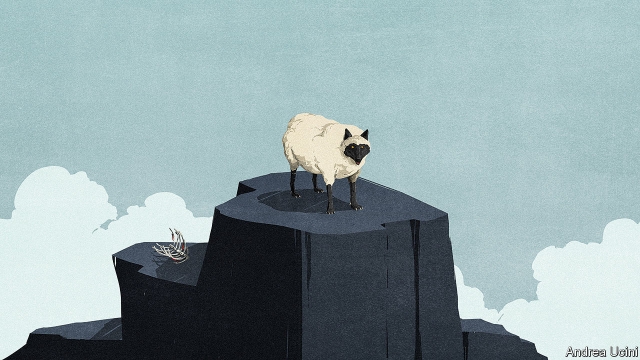
Democracies are generally thought to die at the barrel of a gun, in coups and revolutions. These days, however, they are more likely to be strangled slowly in the name of the people.

Take Hungary, where Fidesz, the ruling party, has used its parliamentary majority to capture regulators, dominate business, control the courts, buy the media and manipulate the rules for elections. As our briefing explains, the prime minister, Viktor Orban, does not have to break the law, because he can get parliament to change it instead. He does not need secret police to take his enemies away in the night. They can be cut down to size without violence, by the tame press or the taxman. In form, Hungary is a thriving democracy; in spirit, it is a one-party state.

The forces at work in Hungary are eating away at other 21st-century polities, too. This is happening not just in young democracies like Poland, where the Law and Justice party has set out to mimic Fidesz, but even the longest-standing ones like Britain and the United States. These old-established polities are not about to become one-party states, but they are already showing signs of decay. Once the rot sets in, it is formidably hard to stop.

At the heart of the degradation of Hungarian democracy is cynicism. After the head of a socialist government popularly seen as corrupt admitted that he had lied to the electorate in 2006, voters learned to assume the worst of their politicians. Mr Orban has enthusiastically exploited this tendency. Rather than appeal to his compatriots’ better nature, he sows division, stokes resentment and exploits their prejudices, especially over immigration. This political theatre is designed to be a distraction from his real purpose, the artful manipulation of obscure rules and institutions to guarantee his hold on power.

Over the past decade, albeit to a lesser degree, the same story has unfolded elsewhere. The financial crisis persuaded voters that they were governed by aloof, incompetent, self-serving elites. Wall Street and the City of London were bailed out while ordinary people lost their jobs, their houses and their sons and daughters on the battlefield in Iraq and Afghanistan. Britain erupted in a scandal over mps’ expenses. America has choked on the lobbying that funnels corporate cash into politics.

In a survey last year, over half of voters from eight countries in Europe and North America told the Pew Research Centre that they were dissatisfied with how democracy is working. Almost 70% of Americans and French people say that their politicians are corrupt.

Populists have tapped into this pool of resentment. They sneer at elites, even if they themselves are rich and powerful; they thrive on, and nurture, anger and division. In America President Donald Trump told four progressive congresswomen to “go back…to the broken and crime-infested places from which they came”. In Israel Binyamin Netanyahu, a consummate insider, portrays official inquiries into his alleged corruption as part of an establishment conspiracy against his premiership. In Britain Boris Johnson, lacking support among mps for a no-deal Brexit, has outraged his opponents by manipulating procedure to suspend Parliament for five crucial weeks.

What, you might ask, is the harm of a little cynicism? Politics has always been an ugly business. The citizens of vibrant democracies have long had a healthy disrespect for their rulers.

Yet too much cynicism undermines legitimacy. Mr Trump endorses his voters’ contempt for Washington by treating opponents as fools or, if they dare stand on honour or principle, as lying hypocrites—an attitude increasingly mirrored on the left. Britain’s Brexiteers and Remainers denigrate each other as immoral, driving politics to the extremes because compromising with the enemy is treachery. Matteo Salvini, leader of Italy’s Northern League, responds to complaints about immigration by cutting space in shelters, in the knowledge that migrants living on the streets will aggravate discontent. Mr Orban has less than half the vote but all the power—and behaves that way. By ensuring that his opponents have no stake in democracy, he encourages them to express their anger by non-democratic means.

Cynical politicians denigrate institutions, then vandalise them. In America the system lets a minority of voters hold power. In the Senate that is by design, but in the House it is promoted by routine gerrymandering and voter-suppression. The more politicised the courts become, the more the appointment of judges is contested. In Britain Mr Johnson’s parliamentary chicanery is doing the constitution permanent damage. He is preparing to frame the next election as a struggle between Parliament and the people.

Politics used to behave like a pendulum. When the right made mistakes the left won its turn, before power swung back rightward again. Now it looks more like a helter-skelter. Cynicism drags democracy down. Parties fracture and head for the extremes. Populists persuade voters that the system is serving them ill, and undermine it further. Bad turns to worse.

Fortunately, there is a lot of ruin in a democracy. Neither London nor Washington is about to become Budapest. Power is more diffuse and institutions have a longer history—which will make them harder to capture than new ones in a country of 10m people. Moreover, democracies can renew themselves. American politics was coming apart in the era of the Weathermen and Watergate, but returned to health in the 1980s.

Scraping Diogenes’ barrel

The riposte to cynicism starts with politicians who forsake outrage for hope. Turkey’s strongman, Recep Tayyip Erdogan, suffered a landmark defeat in the race for the mayoralty in Istanbul to a tirelessly upbeat campaign by Ekrem Imamoglu. Anti-populists from all sides should unite behind rule-enforcers like Zuzana Caputova, the new president of Slovakia. In Romania, Moldova and the Czech Republic voters have risen up against leaders who had set off down Mr Orban’s path.

The bravery of young people who have been protesting on the streets of Hong Kong and Moscow is a powerful demonstration of what many in the West seem to have forgotten. Democracy is precious, and those who are lucky enough to have inherited one must strive to protect it. ■

The Economist

Related Posts

ENGLISH

A constant in an era of radical change

22 July, 2026
ENGLISH

Azerbaijan’s Policy in the Middle East: ties, overlaps, and divergences

22 July, 2026
ENGLISH

The Summit of Unity! Think of peace and prepare for war! It’s only the start to the end! Just a pause between two wars!

20 July, 2026

Follow US

Subscribe

Receive Argumentum Magazine by Email

Last Posts

A constant in an era of radical change

22 July, 2026

Who Is Interested in War in the Balkans?

22 July, 2026

Azerbaijan’s Policy in the Middle East: ties, overlaps, and divergences

22 July, 2026

The Summit of Unity! Think of peace and prepare for war! It’s only the start to the end! Just a pause between two wars!

20 July, 2026

The Self-Inflicted Decoupling: How U.S. Immigration Policy Is Ceding the Tech Edge to China

20 July, 2026
Argumentum

“Argumentum”, një proces intelektual …

Contact Us

[email protected]
[email protected]
[email protected]

Follow Us

Media Partner

Register

Receive Argumentum Magazine by Email
  • Home
  • Privacy Policy
  • About Us
  • Contact

© 2022 Argumentum. All Rights Reserved. | NUIS: L91415033Q

Welcome Back!

Login to your account below

Forgotten Password? Sign Up

Create New Account!

Fill the forms bellow to register

*By registering into our website, you agree to the Terms & Conditions and Privacy Policy.
All fields are required. Log In

Retrieve your password

Please enter your username or email address to reset your password.

Log In

Add New Playlist

No Result
View All Result
  • Home
  • OP/ED
  • Interview
  • Realpolitik
  • Current Events
  • Top News
  • YOUR VOICE
  • Shqip

© 2022 Argumentum. All Rights Reserved. | NUIS: L91415033Q

This website uses cookies. By continuing to use this website you are giving consent to cookies being used. Visit our Privacy and Cookie Policy.