







• SHQIPËRI
  • KOSOVË
  • MAQEDONIA E VERIUT
  • MALI I ZI
  • Revista në PDF
21 June, 2026
  • Home
  • OP/ED

    The visit that changed Albania’s strategic future

    Pierre Nora and the institution of memory we lack in Eastern Europe

    The Blueprint of a Diplomatic Debacle: Analyzing Germany’s Historic UNSC Loss

    Between Russia, Iran and Europe: Azerbaijan as a balancing power in the South Caucasus

    The Zero-Tariff Gate: Sovereignty as a Service in the Sino-African Corridor

    Albania vs. the Sea/ Marginal Notes on A. Leka’s Novel The Hidden Side of the Albanian Socialist Garden

    May 9 and the long shadow of a Letter: Is Europe still Schuman’s Project?

    The Arbnesh of Zadar: A living memory of Albanian identity on the Adriatic coast

    Science Diplomacy and Academic Freedom: A strategic nexus for contemporary diplomacy

  • Interview

    Exclusive Interview with Oleksandr Tyshchenko: A 40-Year Legacy of Chernobyl, Nuclear Risks, and Global Responsibility

    INTERVIEW: ZLATKO KRAMARIĆ – THOUGHTS ON THE OLD CONTINENT

    EXCLUSIVE / Ukrainian Ambassador to Albania, Volodymyr Shkurov: “Ukraine wants peace, but not at the expense of its freedom and independence”

    EXCLUSIVE| Ambassador Tayyar Kagan Atay: Türkiye and Albania, a Strategic Partnership Rooted in Shared Heritage and a Common Vision for the Future

    “Diplomacy, Not War”: Palestinian Ambassador to Albania Calls for Justice, Peace, and Global Action for Gaza

    Exclusive: “Even After Tito – Tito”/ Ambassador Zlatko Kramarić on Authoritarian Legacies and Democracy’s Future in the Balkans

    The Conclusion of the Diplomatic Mission / Ambassador Dancho Markovski: Strengthening Albania-North Macedonia Relations for a Shared European Future

    A Century of Diplomatic Relations Between Albania and Russia: Exclusive Interview with the Russian Ambassador to Albania, H.E. Alexey Zaytsev

    Exclusive/ The chairman of the Freedom Party, Ilir Meta: “The will of the citizens will triumph in Albania, as it did in North Macedonia”

  • Realpolitik

    Just kind words  in Tivat! Where is the peace!? A deal yes, peace No!What is happening with USA and  EU?  5 elections but no solution!

    IBAR? ”Sufficiently! Much ado about nothing! Shart contrasts in Beijing! Where is the exit?!

    Neither peace nor war! Peace with bombs?! IBAR in autumn?! Not another Hormuz in Taivan! 

    IBAR – a springing board or an obstacle? Can we catch the EU Negotiation train 2027? When the dress makes the news!  EU electoral April  ends in a draw 1:1!  

    The European Parliament building in Strasbourg, France with flags waving calmly celebrating peace of the Europe. July 12, 2020.

    EU 2027 or 2037! Even half membership failed! No exit strategy!     

    What next?

    “With diplomatic velvet“! Major question marks! In Washington yes, but  in the White House NO! A strange dinner in Brussels!

    From a great ‘apple of disaccord’ to a  point of  cooperation! A bad start! The strange absence in Davos!

    5 lessons from the American 3 January! Don’t count the chicken before they are hatched! Will NATO freeze in Greenland? Wrong diplomatic messages!

  • Current Events

    The Diplomacy of Gas and Algorithms: The Nuances of Official Tirana—Is It Breaking the European Taboo with Azerbaijan?

    Council of Albanian Ambassadors Backs Civic Protests, Calls for Transparency and Protection of National Interests

    Russian Ambassador in Tirana: “Without a Strong and Sovereign Russia, the Creation of a Just World Order Is Impossible”

    EU-Western Balkans Summit 2026: New Impetus for the Enlargement Debate?

    “The Flamingo Revolution”: Day 10 of Protests in Albania Draws International Attention

    Rama alleges ‘hybrid war’ behind protests against Kushner-linked coastal development

    BELGRADE, SERBIA - JUNE 18. 2020: Russian and Serbian flags on display during Russian Foreign Minister Sergei Lavrov's visit to the Liberators of Belgrade Memorial. Valery Sharifulin/TASS,Image: 533095429, License: Rights-managed, Restrictions: UWAGA! Zdjęcia zawierają oryginalny opis dostawcy (ITAR-TASS). Szczególnie w związku z agresją Rosji na Ukrainę mogą zawierać przekaz niezgodny z faktami. Zweryfikuj go przed publikacją, Model Release: no, Credit line: Valery Sharifulin / TASS / Forum

    Balkan Maskirovka: Why Moscow’s “Distancing” Is Only an Operation for the Survival of Vučić’s Regime

    Serbia – China 2026: Technological partnership, geopolitical positioning and a new phase of the Chinese presence in the Western Balkans

    The Digital Protectorate: How the EU AI Act Codified Silicon Valley’s Monopoly

  • Top News

    Daniel Serwer: A Bad War Ending Badly May Still Be Good News

    Friedrich Merz, Keir Starmer, António Costa, Donald Trump, Emmanuel Macron, Mark Carney, Ursula von der Leyen, Giorgia Meloni and Sanae Takaichi

    G7 Leaders Gather in Évian Amid Global Uncertainty, Focus on Security, Economy and International Cooperation

    Russian Ambassador in Tirana: “Without a Strong and Sovereign Russia, the Creation of a Just World Order Is Impossible”

    “The Flamingo Revolution”: Day 10 of Protests in Albania Draws International Attention

    Rama alleges ‘hybrid war’ behind protests against Kushner-linked coastal development

    No End in Sight: Trump, Netanyahu and the Expanding Middle East War

    Tirana – €20 Million EU–Banking Agreement Boosts Albanian SMEs

    “EU4Municipalities II” Project, a Strategic Investment for Strengthening Municipalities and Accelerating Albania’s Path towards the EU

    Albania, Italy deepen defence ties with naval shipbuilding deal

  • YOUR VOICE
  • Shqip
No Result
View All Result
Argumentum
  • Home
  • OP/ED

    The visit that changed Albania’s strategic future

    Pierre Nora and the institution of memory we lack in Eastern Europe

    The Blueprint of a Diplomatic Debacle: Analyzing Germany’s Historic UNSC Loss

    Between Russia, Iran and Europe: Azerbaijan as a balancing power in the South Caucasus

    The Zero-Tariff Gate: Sovereignty as a Service in the Sino-African Corridor

    Albania vs. the Sea/ Marginal Notes on A. Leka’s Novel The Hidden Side of the Albanian Socialist Garden

    May 9 and the long shadow of a Letter: Is Europe still Schuman’s Project?

    The Arbnesh of Zadar: A living memory of Albanian identity on the Adriatic coast

    Science Diplomacy and Academic Freedom: A strategic nexus for contemporary diplomacy

  • Interview

    Exclusive Interview with Oleksandr Tyshchenko: A 40-Year Legacy of Chernobyl, Nuclear Risks, and Global Responsibility

    INTERVIEW: ZLATKO KRAMARIĆ – THOUGHTS ON THE OLD CONTINENT

    EXCLUSIVE / Ukrainian Ambassador to Albania, Volodymyr Shkurov: “Ukraine wants peace, but not at the expense of its freedom and independence”

    EXCLUSIVE| Ambassador Tayyar Kagan Atay: Türkiye and Albania, a Strategic Partnership Rooted in Shared Heritage and a Common Vision for the Future

    “Diplomacy, Not War”: Palestinian Ambassador to Albania Calls for Justice, Peace, and Global Action for Gaza

    Exclusive: “Even After Tito – Tito”/ Ambassador Zlatko Kramarić on Authoritarian Legacies and Democracy’s Future in the Balkans

    The Conclusion of the Diplomatic Mission / Ambassador Dancho Markovski: Strengthening Albania-North Macedonia Relations for a Shared European Future

    A Century of Diplomatic Relations Between Albania and Russia: Exclusive Interview with the Russian Ambassador to Albania, H.E. Alexey Zaytsev

    Exclusive/ The chairman of the Freedom Party, Ilir Meta: “The will of the citizens will triumph in Albania, as it did in North Macedonia”

  • Realpolitik

    Just kind words  in Tivat! Where is the peace!? A deal yes, peace No!What is happening with USA and  EU?  5 elections but no solution!

    IBAR? ”Sufficiently! Much ado about nothing! Shart contrasts in Beijing! Where is the exit?!

    Neither peace nor war! Peace with bombs?! IBAR in autumn?! Not another Hormuz in Taivan! 

    IBAR – a springing board or an obstacle? Can we catch the EU Negotiation train 2027? When the dress makes the news!  EU electoral April  ends in a draw 1:1!  

    The European Parliament building in Strasbourg, France with flags waving calmly celebrating peace of the Europe. July 12, 2020.

    EU 2027 or 2037! Even half membership failed! No exit strategy!     

    What next?

    “With diplomatic velvet“! Major question marks! In Washington yes, but  in the White House NO! A strange dinner in Brussels!

    From a great ‘apple of disaccord’ to a  point of  cooperation! A bad start! The strange absence in Davos!

    5 lessons from the American 3 January! Don’t count the chicken before they are hatched! Will NATO freeze in Greenland? Wrong diplomatic messages!

  • Current Events

    The Diplomacy of Gas and Algorithms: The Nuances of Official Tirana—Is It Breaking the European Taboo with Azerbaijan?

    Council of Albanian Ambassadors Backs Civic Protests, Calls for Transparency and Protection of National Interests

    Russian Ambassador in Tirana: “Without a Strong and Sovereign Russia, the Creation of a Just World Order Is Impossible”

    EU-Western Balkans Summit 2026: New Impetus for the Enlargement Debate?

    “The Flamingo Revolution”: Day 10 of Protests in Albania Draws International Attention

    Rama alleges ‘hybrid war’ behind protests against Kushner-linked coastal development

    BELGRADE, SERBIA - JUNE 18. 2020: Russian and Serbian flags on display during Russian Foreign Minister Sergei Lavrov's visit to the Liberators of Belgrade Memorial. Valery Sharifulin/TASS,Image: 533095429, License: Rights-managed, Restrictions: UWAGA! Zdjęcia zawierają oryginalny opis dostawcy (ITAR-TASS). Szczególnie w związku z agresją Rosji na Ukrainę mogą zawierać przekaz niezgodny z faktami. Zweryfikuj go przed publikacją, Model Release: no, Credit line: Valery Sharifulin / TASS / Forum

    Balkan Maskirovka: Why Moscow’s “Distancing” Is Only an Operation for the Survival of Vučić’s Regime

    Serbia – China 2026: Technological partnership, geopolitical positioning and a new phase of the Chinese presence in the Western Balkans

    The Digital Protectorate: How the EU AI Act Codified Silicon Valley’s Monopoly

  • Top News

    Daniel Serwer: A Bad War Ending Badly May Still Be Good News

    Friedrich Merz, Keir Starmer, António Costa, Donald Trump, Emmanuel Macron, Mark Carney, Ursula von der Leyen, Giorgia Meloni and Sanae Takaichi

    G7 Leaders Gather in Évian Amid Global Uncertainty, Focus on Security, Economy and International Cooperation

    Russian Ambassador in Tirana: “Without a Strong and Sovereign Russia, the Creation of a Just World Order Is Impossible”

    “The Flamingo Revolution”: Day 10 of Protests in Albania Draws International Attention

    Rama alleges ‘hybrid war’ behind protests against Kushner-linked coastal development

    No End in Sight: Trump, Netanyahu and the Expanding Middle East War

    Tirana – €20 Million EU–Banking Agreement Boosts Albanian SMEs

    “EU4Municipalities II” Project, a Strategic Investment for Strengthening Municipalities and Accelerating Albania’s Path towards the EU

    Albania, Italy deepen defence ties with naval shipbuilding deal

  • YOUR VOICE
  • Shqip
No Result
View All Result
Argumentum
No Result
View All Result
Home ENGLISH

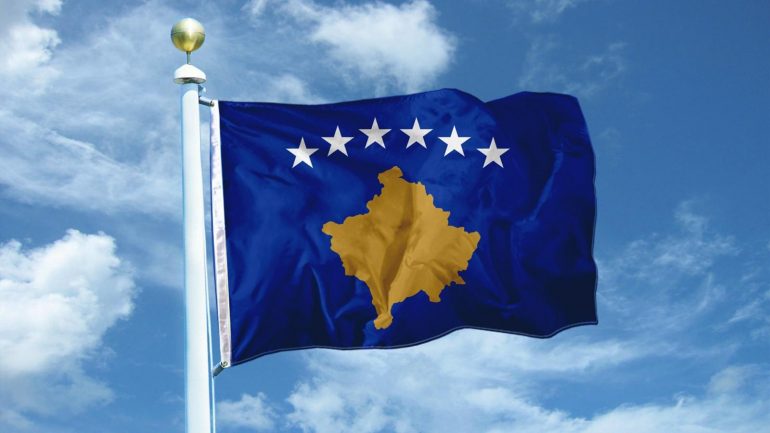
What Does Multipolarity Mean for Kosovo?

3 December, 2023
in ENGLISH, English OP/ED
A A
Share on FacebookShare on Twitter

by Giorgio Cafiero

Amid Yugoslavia’s break up in the early 1990s, Serbia pursued its “Greater Serbia” agenda based on the belief that all ethnic Serbs in the region should belong to one single Serbian nation-state. Slobodan Milosevic’s regime did not want Serb communities living as minorities in newly established Muslim-majority countries.

To achieve “Greater Serbia,” Belgrade resorted to force. But under Milosevic, Serbia failed to carve “Greater Serbia” out of Yugoslavia’s remains amid the Balkan Wars of the 1990s. Since 1999, the land under Belgrade’s control has been significantly smaller than Milosevic’s government had envisioned at the time of Yugoslavia’s collapse.

This was not because Serbia’s smaller neighbors managed to defeat Serbian/Serb forces on their own. It was because NATO—led by the world’s superpower, the United States—intervened militarily against Belgrade at a specific time in history in which Washington was dominating a unipolar international system. In the late 1990s, Russia and China were much weaker countries; they lacked the ability to deter the United States from expanding NATO’s footprint eastward in Europe or invading Iraq in 2003.

Since 1999, Serbia has not launched any military campaign to retake Kosovo. This is due to the presence of the NATO-led international peacekeeping force, Kosovo Force (KFOR), in Kosovo. As a European Union candidate since 2012 and part of NATO’s Partnership for Peace program since 2006, Serbia knows that starting a fight with KFOR would be extremely unwise. But Kosovo’s policymakers and many average Kosovar citizens worry that new realities in the international geopolitical order could create conditions that eventually encourage Belgrade to resume its pursuit of “Greater Serbia.”

In Pristina, there is growing doubt about the United States and other Western countries’ commitment to Kosovo’s independence and much concern about the extent to which Washington accommodates (or, depending on one’s perspective, appeases) President Aleksandar Vučić’s government under the banner of promoting stability in the Western Balkans. Some voices in Pristina express concerns about the United States eventually going as far as revoking its recognition of Kosovo’s independence as part of a strategy aimed at improving Washington-Belgrade relations.

The United States and NATO’s botched 2021 withdrawal from Afghanistan unsettled many Kosovars. The decision to pull U.S. forces out of Afghanistan following a twenty-year occupation, which left Washington’s Afghan partners at the Taliban’s mercy, prompted some in Kosovo to question whether the United States would leave the Kosovars to a similar fate.

Comments from Donald Trump about the U.S. role in protecting (or not) NATO’s Eastern European members from Russia, combined with the legacy of Richard Grenell (the Trump administration’s special presidential envoy for Serbia and Kosovo peace negotiations from 2019 to 2021), have left Pristina worried about the possibility of a second Trump presidency.

Many Kosovars are asking to what extent Washington, especially if Trump is back at the helm, will view the protection of Kosovo as a priority for the United States. Given all the major challenges Washington faces on the international stage, it is less than clear if defending Kosovo from potential Russian-encouraged Serbian actions in the future is a commitment that U.S. policymakers take seriously. Even if Biden secures a second term next year, Kosovars would still maintain such concerns.

The deadly violence at a Serbian Orthodox monastery near Banjska, a village in northern Kosovo, on September 24 brought the Serbia-Kosovo dispute into the international spotlight. But all that changed on October 7, when Hamas launched its unprecedented incursion into southern Israel, shifting Washington’s attention toward the Middle East and away from central and southern Europe. If the war in Gaza rages on, or, worse, spreads to more parts of the Middle East, the Western Balkans will rank a lower priority for U.S. policymakers.

Additionally, many in Pristina believe that an extreme scenario in which China takes Taiwan by force could leave Kosovo vulnerable to Serbia’s ambitions. Put simply, certain Kosovar voices have expressed concern that NATO would be spread too thin to credibly protect Kosovo’s independence from Serbia if the U.S. military decides to enter into a conflict with China over Taiwan.

At the end of the day, it is the West’s so-called “liberal rules-based order” and NATO’s military might that have kept Serbia confined within its current borders. As a pragmatist, Vučić understands that Serbia’s military can’t directly challenge KFOR in Kosovo, annex Serb-dominated land in NATO member Montenegro, or forcefully unify Bosnia and Herzegovina’s (BiH) Republika Srpska (RS) with Serbia while the European Union Force Bosnia and Herzegovina is on the ground.

Belgrade is determined, at all costs, to avoid a repeat of 1999. This means that Serbia will always act to prevent such a scenario. Any moves that Belgrade might take vis-à-vis northern Kosovo or other neighboring countries would be made based on calculations regarding the status of the Western order. Within this context, there are at least three scenarios to consider when analyzing the future of Serbia’s policies toward its smaller Balkan neighbors.

First, the Western order collapses and Russia and China fill the void on the international stage amid the total decline of the United States. Under such circumstances, one could easily imagine Serbia acting boldly to retake full control of Kosovo.

Second, the Western order weakens but doesn’t collapse, and Beijing and Moscow continue to gain greater geopolitical clout, effectively balancing a NATO that remains intact albeit as a weaker alliance. If this scenario plays out, Serbia could reunite itself with portions of land in neighboring countries such as northern Kosovo and BiH’s RS.

Third, neither Beijing nor Moscow manages to ascend further, and the Western order prevails. Under this scenario, Serbia would probably be unable to change any borders. But Serbia could leverage Belgrade- and Moscow-oriented Serb groups in Kosovo, BiH, and Montenegro to continue making Serbia a regional powerhouse capable of fueling problems for NATO, ultimately solidifying Belgrade’s status as an actor that the West must accommodate.

Regardless of which scenario unfolds, Kosovo will continue to fear its revanchist neighbor and Belgrade’s relationship with Kosovo-Serbs in northern Kosovo. Pristina will want to do all it can to secure long-term support from NATO. But considering that KFOR’s presence did not prevent the September 24 episode near Banjska, which came four months after Serbian security forces allegedly entered Kosovo’s territory and arrested three Kosovar police officers, Kosovo does want to depend on the transatlantic alliance, especially given all the open questions about the West’s long-term commitment to Kosovo and NATO’s capacity to protect the country’s independence.

Within this context, Pristina wants to build up its indigenous capabilities to protect itself from possible Serbian efforts to regain control of Kosovo in a post-Western world. In sum, Kosovo’s existence and de facto independence have been products of the unipolar era in world history that only existed in the 1990s and early 2000s. As the world system grows more multipolar, Pristina will face significant challenges, requiring the small, landlocked European Muslim country to revisit its strategies for survival.

Giorgio Cafiero is the CEO of Gulf State Analytics and an adjunct fellow at the American Security Project.
Related Posts

ENGLISH

World Refugee Day and 75 Years of the Refugee Convention: Why Humanity must not look away

20 June, 2026
ENGLISH

G7 Leaders Present Unified Geopolitical Agenda at Évian Summit

17 June, 2026
ENGLISH

Daniel Serwer: A Bad War Ending Badly May Still Be Good News

17 June, 2026

Follow US

Subscribe

Receive Argumentum Magazine by Email

Last Posts

World Refugee Day and 75 Years of the Refugee Convention: Why Humanity must not look away

20 June, 2026

G7 Leaders Present Unified Geopolitical Agenda at Évian Summit

17 June, 2026

Daniel Serwer: A Bad War Ending Badly May Still Be Good News

17 June, 2026

The Diplomacy of Gas and Algorithms: The Nuances of Official Tirana—Is It Breaking the European Taboo with Azerbaijan?

17 June, 2026
Friedrich Merz, Keir Starmer, António Costa, Donald Trump, Emmanuel Macron, Mark Carney, Ursula von der Leyen, Giorgia Meloni and Sanae Takaichi

G7 Leaders Gather in Évian Amid Global Uncertainty, Focus on Security, Economy and International Cooperation

16 June, 2026
Argumentum

“Argumentum”, një proces intelektual …

Contact Us

[email protected]
[email protected]
[email protected]

Follow Us

Media Partner

Register

Receive Argumentum Magazine by Email
  • Home
  • Privacy Policy
  • About Us
  • Contact

© 2022 Argumentum. All Rights Reserved. | NUIS: L91415033Q

Welcome Back!

Login to your account below

Forgotten Password? Sign Up

Create New Account!

Fill the forms bellow to register

*By registering into our website, you agree to the Terms & Conditions and Privacy Policy.
All fields are required. Log In

Retrieve your password

Please enter your username or email address to reset your password.

Log In

Add New Playlist

No Result
View All Result
  • Home
  • OP/ED
  • Interview
  • Realpolitik
  • Current Events
  • Top News
  • YOUR VOICE
  • Shqip

© 2022 Argumentum. All Rights Reserved. | NUIS: L91415033Q

This website uses cookies. By continuing to use this website you are giving consent to cookies being used. Visit our Privacy and Cookie Policy.