











• SHQIPËRI
  • KOSOVË
  • MAQEDONIA E VERIUT
  • MALI I ZI
  • Revista në PDF
19 August, 2026
  • Home
  • OP/ED

    Between Political Calculation and Retreat: Croatian Communists at the End of an Era

    The West is buying time, but to whom is it giving it?

    27 July 1941 – A Site of Memory Between War, Revolution and Europe

    The cult of Saint Veneranda / Saint Pren(d)a / Saint Premte / Saint Paraskeva among Albanians

    The Self-Inflicted Decoupling: How U.S. Immigration Policy Is Ceding the Tech Edge to China

    The Blueprint Does Not Stop at the Drina

    The Underlying Logic behind China’s Economic Success

    Do Not Misuse the U.S. Declaration of Independence to Justify the Narrative of Insurrection in Albania

    The visit that changed Albania’s strategic future

  • Interview

    Exclusive Interview with Oleksandr Tyshchenko: A 40-Year Legacy of Chernobyl, Nuclear Risks, and Global Responsibility

    INTERVIEW: ZLATKO KRAMARIĆ – THOUGHTS ON THE OLD CONTINENT

    EXCLUSIVE / Ukrainian Ambassador to Albania, Volodymyr Shkurov: “Ukraine wants peace, but not at the expense of its freedom and independence”

    EXCLUSIVE| Ambassador Tayyar Kagan Atay: Türkiye and Albania, a Strategic Partnership Rooted in Shared Heritage and a Common Vision for the Future

    “Diplomacy, Not War”: Palestinian Ambassador to Albania Calls for Justice, Peace, and Global Action for Gaza

    Exclusive: “Even After Tito – Tito”/ Ambassador Zlatko Kramarić on Authoritarian Legacies and Democracy’s Future in the Balkans

    The Conclusion of the Diplomatic Mission / Ambassador Dancho Markovski: Strengthening Albania-North Macedonia Relations for a Shared European Future

    A Century of Diplomatic Relations Between Albania and Russia: Exclusive Interview with the Russian Ambassador to Albania, H.E. Alexey Zaytsev

    Exclusive/ The chairman of the Freedom Party, Ilir Meta: “The will of the citizens will triumph in Albania, as it did in North Macedonia”

  • Realpolitik

    The Summit of Unity! Think of peace and prepare for war! It’s only the start to the end! Just a pause between two wars!

    Peace with war diplomacy! The protest,  image and tourism! Why this silence from the EU Commission and Council? A deal or a pause?

    Just kind words  in Tivat! Where is the peace!? A deal yes, peace No!What is happening with USA and  EU?  5 elections but no solution!

    IBAR? ”Sufficiently! Much ado about nothing! Shart contrasts in Beijing! Where is the exit?!

    Neither peace nor war! Peace with bombs?! IBAR in autumn?! Not another Hormuz in Taivan! 

    IBAR – a springing board or an obstacle? Can we catch the EU Negotiation train 2027? When the dress makes the news!  EU electoral April  ends in a draw 1:1!  

    The European Parliament building in Strasbourg, France with flags waving calmly celebrating peace of the Europe. July 12, 2020.

    EU 2027 or 2037! Even half membership failed! No exit strategy!     

    What next?

    “With diplomatic velvet“! Major question marks! In Washington yes, but  in the White House NO! A strange dinner in Brussels!

  • Current Events

    Democracy Cannot Be Governed by Noise

    Council of Albanian Ambassadors Raises Concern Over Serbian Plan to Alter the Ibër River

    Digitalisation in the modern era as a “Trojan horse” for hybrid warfare

    The four days that changed history

    Bury Those You Killed

    The Serbian Consulate in Shkodra: A Diplomatic Step or a Project with Political Implications?

    Chinese Embassy in Albania Marks PLA’s 99th Anniversary, Reaffirms Commitment to Peace and Bilateral Cooperation

    Croatian Foreign Minister’s Visit to Tirana/Albania and Croatia Strengthen Their Strategic Partnership as Zagreb Reaffirms Support for Albania’s European Union Membership

    Albanian Parliament Approves $302 Million U.S. Military Financing Loan, Opposition Boycotts Session

  • Top News

    Council of Albanian Ambassadors Raises Concern Over Serbian Plan to Alter the Ibër River

    Rama: Foreign Information Manipulation Has Become One of the Greatest Threats to Democracy and European Security

    The Council of Albanian Ambassadors condemns chauvinistic rhetoric by Serbian officials and calls for diplomatic action

    NATO at Ankara 2026: Strategic Rebalancing Between Russia Deterrence, Turkey’s Rise, and National Interests

    Daniel Serwer: A Bad War Ending Badly May Still Be Good News

    Friedrich Merz, Keir Starmer, António Costa, Donald Trump, Emmanuel Macron, Mark Carney, Ursula von der Leyen, Giorgia Meloni and Sanae Takaichi

    G7 Leaders Gather in Évian Amid Global Uncertainty, Focus on Security, Economy and International Cooperation

    Russian Ambassador in Tirana: “Without a Strong and Sovereign Russia, the Creation of a Just World Order Is Impossible”

    “The Flamingo Revolution”: Day 10 of Protests in Albania Draws International Attention

    Rama alleges ‘hybrid war’ behind protests against Kushner-linked coastal development

  • YOUR VOICE
  • Shqip
No Result
View All Result
Argumentum
  • Home
  • OP/ED

    Between Political Calculation and Retreat: Croatian Communists at the End of an Era

    The West is buying time, but to whom is it giving it?

    27 July 1941 – A Site of Memory Between War, Revolution and Europe

    The cult of Saint Veneranda / Saint Pren(d)a / Saint Premte / Saint Paraskeva among Albanians

    The Self-Inflicted Decoupling: How U.S. Immigration Policy Is Ceding the Tech Edge to China

    The Blueprint Does Not Stop at the Drina

    The Underlying Logic behind China’s Economic Success

    Do Not Misuse the U.S. Declaration of Independence to Justify the Narrative of Insurrection in Albania

    The visit that changed Albania’s strategic future

  • Interview

    Exclusive Interview with Oleksandr Tyshchenko: A 40-Year Legacy of Chernobyl, Nuclear Risks, and Global Responsibility

    INTERVIEW: ZLATKO KRAMARIĆ – THOUGHTS ON THE OLD CONTINENT

    EXCLUSIVE / Ukrainian Ambassador to Albania, Volodymyr Shkurov: “Ukraine wants peace, but not at the expense of its freedom and independence”

    EXCLUSIVE| Ambassador Tayyar Kagan Atay: Türkiye and Albania, a Strategic Partnership Rooted in Shared Heritage and a Common Vision for the Future

    “Diplomacy, Not War”: Palestinian Ambassador to Albania Calls for Justice, Peace, and Global Action for Gaza

    Exclusive: “Even After Tito – Tito”/ Ambassador Zlatko Kramarić on Authoritarian Legacies and Democracy’s Future in the Balkans

    The Conclusion of the Diplomatic Mission / Ambassador Dancho Markovski: Strengthening Albania-North Macedonia Relations for a Shared European Future

    A Century of Diplomatic Relations Between Albania and Russia: Exclusive Interview with the Russian Ambassador to Albania, H.E. Alexey Zaytsev

    Exclusive/ The chairman of the Freedom Party, Ilir Meta: “The will of the citizens will triumph in Albania, as it did in North Macedonia”

  • Realpolitik

    The Summit of Unity! Think of peace and prepare for war! It’s only the start to the end! Just a pause between two wars!

    Peace with war diplomacy! The protest,  image and tourism! Why this silence from the EU Commission and Council? A deal or a pause?

    Just kind words  in Tivat! Where is the peace!? A deal yes, peace No!What is happening with USA and  EU?  5 elections but no solution!

    IBAR? ”Sufficiently! Much ado about nothing! Shart contrasts in Beijing! Where is the exit?!

    Neither peace nor war! Peace with bombs?! IBAR in autumn?! Not another Hormuz in Taivan! 

    IBAR – a springing board or an obstacle? Can we catch the EU Negotiation train 2027? When the dress makes the news!  EU electoral April  ends in a draw 1:1!  

    The European Parliament building in Strasbourg, France with flags waving calmly celebrating peace of the Europe. July 12, 2020.

    EU 2027 or 2037! Even half membership failed! No exit strategy!     

    What next?

    “With diplomatic velvet“! Major question marks! In Washington yes, but  in the White House NO! A strange dinner in Brussels!

  • Current Events

    Democracy Cannot Be Governed by Noise

    Council of Albanian Ambassadors Raises Concern Over Serbian Plan to Alter the Ibër River

    Digitalisation in the modern era as a “Trojan horse” for hybrid warfare

    The four days that changed history

    Bury Those You Killed

    The Serbian Consulate in Shkodra: A Diplomatic Step or a Project with Political Implications?

    Chinese Embassy in Albania Marks PLA’s 99th Anniversary, Reaffirms Commitment to Peace and Bilateral Cooperation

    Croatian Foreign Minister’s Visit to Tirana/Albania and Croatia Strengthen Their Strategic Partnership as Zagreb Reaffirms Support for Albania’s European Union Membership

    Albanian Parliament Approves $302 Million U.S. Military Financing Loan, Opposition Boycotts Session

  • Top News

    Council of Albanian Ambassadors Raises Concern Over Serbian Plan to Alter the Ibër River

    Rama: Foreign Information Manipulation Has Become One of the Greatest Threats to Democracy and European Security

    The Council of Albanian Ambassadors condemns chauvinistic rhetoric by Serbian officials and calls for diplomatic action

    NATO at Ankara 2026: Strategic Rebalancing Between Russia Deterrence, Turkey’s Rise, and National Interests

    Daniel Serwer: A Bad War Ending Badly May Still Be Good News

    Friedrich Merz, Keir Starmer, António Costa, Donald Trump, Emmanuel Macron, Mark Carney, Ursula von der Leyen, Giorgia Meloni and Sanae Takaichi

    G7 Leaders Gather in Évian Amid Global Uncertainty, Focus on Security, Economy and International Cooperation

    Russian Ambassador in Tirana: “Without a Strong and Sovereign Russia, the Creation of a Just World Order Is Impossible”

    “The Flamingo Revolution”: Day 10 of Protests in Albania Draws International Attention

    Rama alleges ‘hybrid war’ behind protests against Kushner-linked coastal development

  • YOUR VOICE
  • Shqip
No Result
View All Result
Argumentum
No Result
View All Result
Home ENGLISH

Diplomacy in the Age of manufactured reality and Albania

10 April, 2026
in ENGLISH, English OP/ED
A A
Share on FacebookShare on Twitter

Ambassador Arben Cici

A new crisis environment: When information is no longer trustworthy

Over the past decade, the transformation of digital technology has fundamentally reshaped the way diplomacy and international crisis management are conducted. This shift has been driven primarily by the disruptive role of information dissemination. Whereas the principal challenge in the past was the scarcity of information, today the problem is quite the opposite. An overabundance of information, much of which may be fabricated, overflows in public, official, and diplomatic spheres.

Developments in artificial intelligence have enabled the creation of content known as deepfakes, which can accurately simulate the voice, image, and behavior of real individuals. In recent years, these technologies have crossed a critical threshold: artificially generated content is often indistinguishable from authentic material, particularly in the short-form formats that dominate social media, platforms increasingly favored by today’s Presidents, Prime Ministers, and Foreign Ministers. The proliferation of deepfakes and synthetic content has created an environment in which the boundary between reality and manipulation is becoming increasingly blurred.

Concrete examples illustrate this trend. During the war in Ukraine, manipulated videos depicting leaders making false statements were spread in the early stages of the conflict, aiming to manipulate public perception. In other cases, AI-generated audio has been used to imitate political figures or institutional leaders, thereby shaping perceptions and potentially influencing decision-making processes.

These incidents are not isolated. They represent evidence of a structural transformation in the informational environment within which diplomacy operates today.
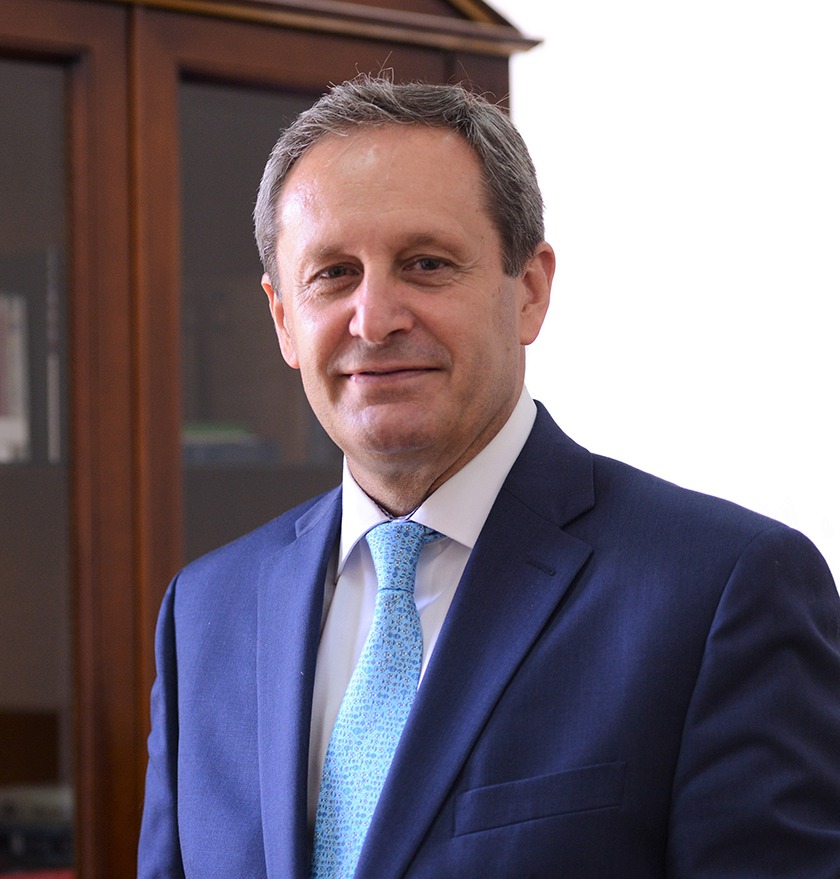
Ambassador Arben Cici

From manipulation to orchestration: The Era of coordinated deepfakes

Unlike traditional forms of propaganda, modern deepfakes are embedded within integrated and coordinated operations. A fabricated narrative is no longer supported by a single source; rather, it is constructed through multiple reinforcing elements. A typical operation today may include:

A fabricated email resembling diplomatic correspondence;

A phone call using cloned voice technology to confirm the content;

A video reinforcing the same narrative;

A coordinated dissemination across social media to generate a viral effect.

This combination creates an illusion of coherence, making verification more difficult and manipulation of both public and institutional perception more effective.

The objective is not merely to deceive an audience, but to create an alternative reality capable of directly influencing political and diplomatic decision-making.

In 2024, a well-known case involved the use of voice-cloning technology to impersonate executives and institutional leaders, deceiving senior officials through highly credible phone calls. When transferred to the diplomatic context, such methods pose a direct threat to international communication.

Diplomacy facing a crisis of trust

Diplomacy is particularly vulnerable to this phenomenon for several structural reasons.

First, it relies on rapid and often confidential communication among actors who do not always maintain direct personal relationships.

Second, crisis decision-making requires immediate responses, limiting the time available for verification.

Third, a significant part of diplomacy is conducted through informal channels, which are more susceptible to manipulation.

Under these conditions, a deepfake simulating a statement by a high-level official may have immediate consequences:

  • Disrupting negotiations;
  • Triggering unnecessary political reactions;
  • Escalating existing tensions.

The risk lies not only in false content itself, but also in the erosion of diplomatic trust caused by the mere possibility of its existence. In this sense, deepfakes are not simply a technological issue, they constitute a strategic threat to the architecture of diplomacy.

Institutional response: The case of the U.S. State Department

In response to these challenges, some states have begun developing structured strategies. A significant example is the U.S. State Department, which has integrated deepfake risk management into its 2025–2026 strategy on artificial intelligence and data.

This approach includes several key elements:

  • Multi-factor verification: Critical communications require confirmation through multiple independent channels;
  • New identity protocols: A phone number or email address alone is no longer sufficient to guarantee authenticity;
  • Rapid response units: Designed to identify and counter fabricated content in real time;
  • Training of diplomatic staff: Focused on recognizing and analyzing synthetic content.

This approach reflects a significant shift: information security is now treated as an integral component of national and diplomatic security. It is meanwhile increasingly serving as a model for diplomatic activity of many other states and international organizations.

Albania in a new strategic environment

For Albania, these developments present a multifaceted challenge. As a small state with high exposure to regional and global dynamics, Albania is potentially more vulnerable to disinformation operations. Deepfakes pose several concrete risks:

  • They may be used to damage the country’s international image;
  • They may affect relations with strategic partners;
  • They may create confusion in sensitive regional situations.

At the same time, as a NATO member and a candidate for full integration into the European Union, Albania also benefits from important advantages, particularly in establishing a supportive framework to address these challenges.

In practical terms, this implies several priorities:

  • Strengthening capacities for information verification and analysis, particularly within foreign policy institutions;
  • Integrating into NATO and EU mechanisms for countering disinformation;
  • Developing a national strategy for digital diplomacy, including information crisis management;
  • Enhancing institutional public communication to build trust and reduce the impact of fabricated content.

Between obligations and privileges: A reflection on Albanian Foreign Policy

In the age of deepfakes, foreign policy can no longer be confined to traditional diplomatic dimensions. It must also encompass information management and the protection of truth. The 21st-century diplomat is no longer merely a negotiator, but also an information analyst and a manager of digital crises.

For Albania, as a small state integrated into international alliances, this means balancing obligations and privileges:

  1. Obligation to allies.

As a NATO member, Albania has a responsibility to contribute to collective security by countering hybrid threats, including disinformation and digital manipulation.

  • Responsibility toward the public.

Albanian institutions must establish a credible and consistent presence in the digital space, ensuring that official information is timely, transparent, and verifiable. Institutional silence in times of informational crisis creates a vacuum, and every vacuum is filled by disinformation. Public education and the cultivation of a critically aware and resilient citizenry are essential for democratic stability and development.

  • The privilege of Euro-Atlantism.

Albania benefits the privilege from access to resources and intelligence that would be unavailable for an isolated state. The EU integration process provides not only financial and technical support, but also a normative framework for managing these challenges (The European Union’s AI Act).

  • The need for proactive digital diplomacy.

The key challenge lies in effectively leveraging these advantages to move from a reactive approach to a proactive strategy, building internal capacities for resilience, monitoring, analysis, and response to fabricated content.

Conclusion: Diplomacy when truth is no longer guaranteed

In a world where reality can be manufactured with a high degree of credibility, diplomacy faces a fundamental transformation. The challenge is no longer limited to managing international relations, but extends to managing the very perception of reality.

Deepfakes and synthetic content are not merely tools of manipulation; they are instruments that reshape how trust is build among states, institutions, and the public. In this context, the greatest crisis is not disinformation itself, but the erosion of credibility.

For Albanian diplomacy, this challenge requires a multidimensional and long-term response.

First, at the strategic level, the Ministry for Europe and Foreign Affairs must adopt an integrated approach in which information security is treated as an inseparable component of national security. This implies its inclusion in core strategic documents and the allocation of dedicated resources for developing technological and human capacities.

Second, at the institutional level, mechanisms for rapid response to information crises must be established. Time is the decisive factor: a false narrative that is not countered in real time has the potential to consolidate as truth in both public and international perception.

Third, at the diplomatic level, Albania should develop a more active profile in digital diplomacy, using international platforms not only to respond, but to set its own narrative. In an information-saturated environment, the actor that articulates a credible narrative first gains a strategic advantage.

Fourth, at the societal level, investing in public trust is crucial. Institutions perceived as trustworthy possess a natural advantage in combating disinformation. Transparency, coherence, and accountability are not only democratic values, but also instruments of security.

Ultimately, for a small state such as Albania, power is measured not only by military or economic capabilities, but by the ability to preserve informational integrity and international credibility. In an era where reality can be fabricated and truth is increasingly fragile, credibility becomes the most valuable source of diplomatic power, especially for small states.

/Argumentum.al

© 2026 Argumentum

Related Posts

ENGLISH

In Search of Lost Childhood and Land [1]

17 August, 2026
ENGLISH

The Ibar River Should Carry Water, Not Nationalist Politics

12 August, 2026
ENGLISH

Between Political Calculation and Retreat: Croatian Communists at the End of an Era

10 August, 2026

Follow US

Subscribe

Receive Argumentum Magazine by Email

Last Posts

Democracy Cannot Be Governed by Noise

19 August, 2026

In Search of Lost Childhood and Land [1]

17 August, 2026

The Ibar River Should Carry Water, Not Nationalist Politics

12 August, 2026

Between Political Calculation and Retreat: Croatian Communists at the End of an Era

10 August, 2026

The West is buying time, but to whom is it giving it?

10 August, 2026
Argumentum

“Argumentum”, një proces intelektual …

Contact Us

[email protected]
[email protected]
[email protected]

Follow Us

Media Partner

Register

Receive Argumentum Magazine by Email
  • Home
  • Privacy Policy
  • About Us
  • Contact

© 2022 Argumentum. All Rights Reserved. | NUIS: L91415033Q

Welcome Back!

Login to your account below

Forgotten Password? Sign Up

Create New Account!

Fill the forms bellow to register

*By registering into our website, you agree to the Terms & Conditions and Privacy Policy.
All fields are required. Log In

Retrieve your password

Please enter your username or email address to reset your password.

Log In

Add New Playlist

No Result
View All Result
  • Home
  • OP/ED
  • Interview
  • Realpolitik
  • Current Events
  • Top News
  • YOUR VOICE
  • Shqip

© 2022 Argumentum. All Rights Reserved. | NUIS: L91415033Q

This website uses cookies. By continuing to use this website you are giving consent to cookies being used. Visit our Privacy and Cookie Policy.