












REAL POLITIK NO. 110
21 AUGUST – 10 SEPTEMBER 2026
“ Flash” Comments on 4 major diplomatic events with only 1.000 words by the well-known analist,
Dr. Jorgji KOTE
Grand Master in Diplomacy,
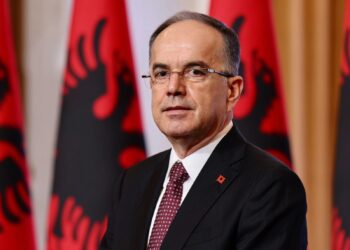
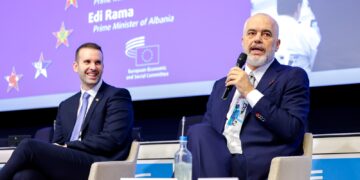
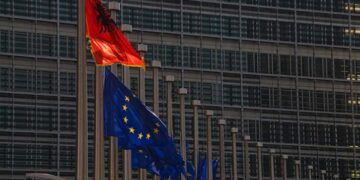
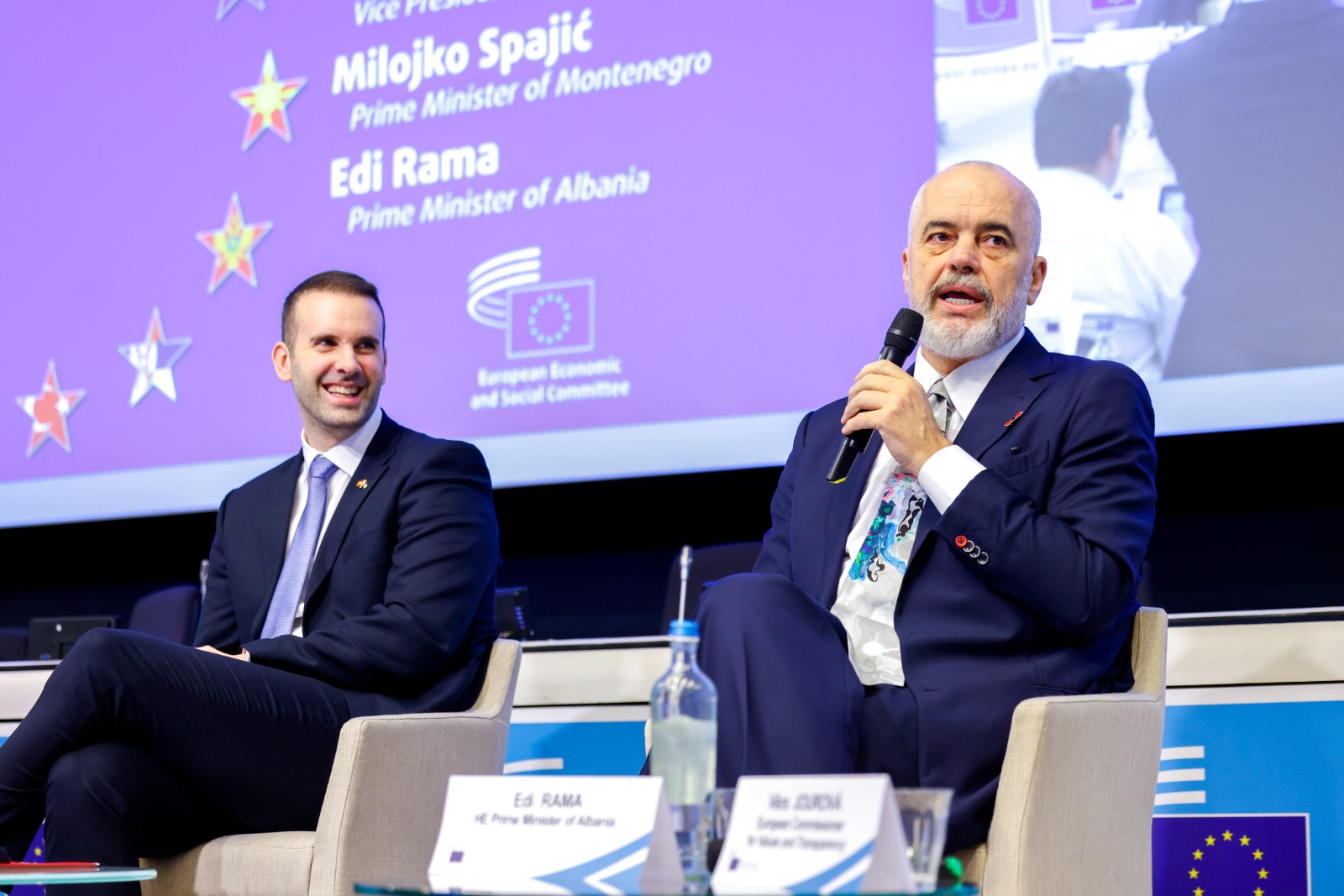
1.Montenegrin diplomatic blunder! On 25 August, the Montenegrin Prime Minister Spajic accused two neighbouring states for hybrid attacks against his country and his advancement to the EU accession. Although he did not mention names, the local newspaper “Vijesti” rushed to state that it was Serbia and Albania. Everywhere in Albania debates, doubts and discussions broke out. Our Foreign Minister, Ferit Hoxha denied the rumors stating that Albania is a close partner in the EU track with Montenegro. Finally, after the persistence of Prime Minister Rama, Spajiç clarified that it was not Albania.
Nevertheless the concern is that why did not the Montenegrin government say on the spot that it was not Albania but another state. Well, these are not mere diplomatic errors but blunders with a high cost for all, moreover for our two countries as the most advanced in the EU accession process.
3. Small Cyprus without great hopes!
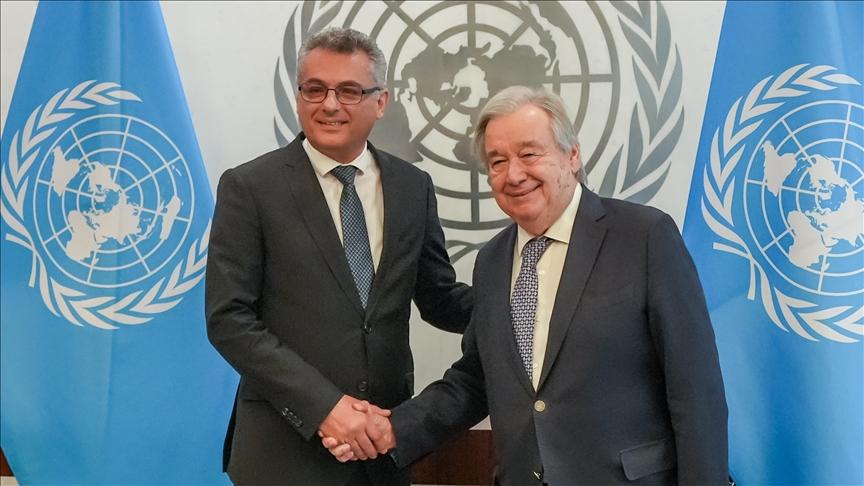
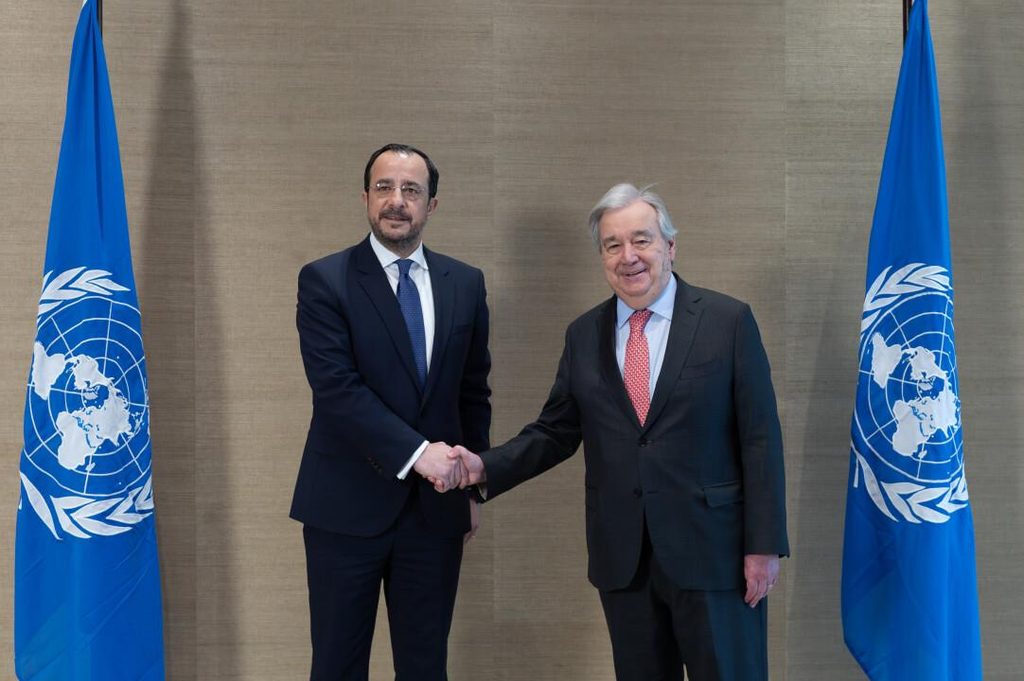
The visit by the UN Secretary General, Antonio Guterres on 29 July has nurtured hopes and expectations for the small divided Cyprus. Gueterres met there with the President of the Turkish and Greek Cyprus, Tufan Erkϋuman and Nikos Christodoulides. In their meetings, they agreed on a sustainable solution through cooperation, political dialogue, mutual understanding and respect.
Gueterres underscored the need for preparations for holding an enlarged Conference on Cyrus with the 5+1 format; including both Cypruses and its foreign guarant powers, Greece, Turkey, UK, EU and the UN. But no date was set, so that both sides would have sufficient time, since as previous experience shows, “ haste is delay”! Thus, from the year 2017 6 such meetings were hel but without result.
Finally, following his visit and advice, Presidents Tufan Erkϋuman and Nikos Christodoulides met together on 26 August, 2 and 9 September. During these encounters held in a constructive and friendly atmosphere, they have agreed in principle on adopting confidence building measures, in the spirit of dialogue and uderstanding in addressing the different technical issues, before passing to more concrete political and substantial issues. Likewise, they have agreed that apart from the working groups and senior diplomats, they would also continue to meet on weekly basis and whenever necessary even more often.
4. 4 blocks of Enlargement challenges!
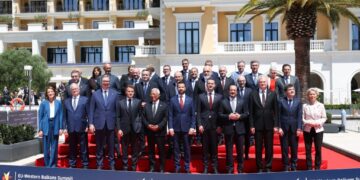
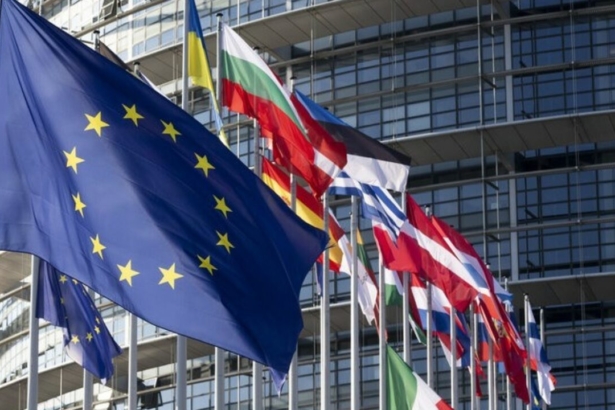
This topic was highlighted by the EU Commissioner, Marta Kos on 24 August in Zagreb and in the Cernobbio( Como) European Forum in Italy on 4 – 6 September, on the eve of the presentation of the new enlargement strategy from the EU Commission– the EU internal reform, recognition of candidate countries reforms together with financial benefits, a larger and faster access to the EU single market and without waiting for their full accession; protective clauses after their accession and the settlement of financial aspects.
As to the first block, the EU internal reform is a pre-condition for this enlargement to Western Balkans and other eastern states, as Ukraine and Moldova. To this end, there are also envisaged the reduction of the number of the EU Commissioners, the simplification of different procedures of enacting decisions and mainly the restriction of the vote and veto right for a certain period of time after their accession in foreign policy issues.
Regarding the second block, the proposed measures are considered as intermediate steps desiged to encourage the candidate states in stepping up reforms, so that the EU accession should rely on their individual merits. The goal is that the cadidate countries should be rewarded for each closed cluster, which would make them speed up reforms.
Likewise, it is envisaged their presence in the EU Council and Parliament without the veto and voting right. The third block refers to the post accession period without the vote and veto right and with different protective clauses to prevent the entrance in the EU of “ Troyan horses”. The fourth block refers to the difficiltues encountered right now for the financing of new EU countries due to many bottlenecks. Besides, the EU Commission has proposed a 60 pwr cent growth in its budget for the period 2028 -2034 which is vehemently objected by the six largest northern EU fund donours with Germany at the head who contribute with 40 pwr cent of the EU budget and want drastic cuts. Under these conditions, given the immense accession costs for the Western Balkan states and especially Uokraine( 270Billion Euro for five years) this aspect may prove to be a great hurdle in the implementation of this new enlargement strategy. The budget heated debates and discusions will continue during the whole autumn until its final adoption hopefuly in December.
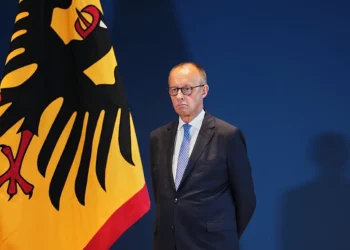
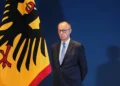
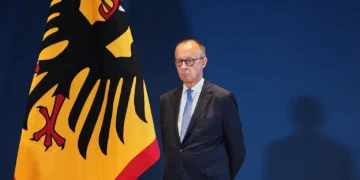
4. Political earthquake in Germany! The regional elections of 6 September in the former eastern land of Sachsen Anhalt proved to be indeed a powerful political earthquake for the German governmental coalition and society.
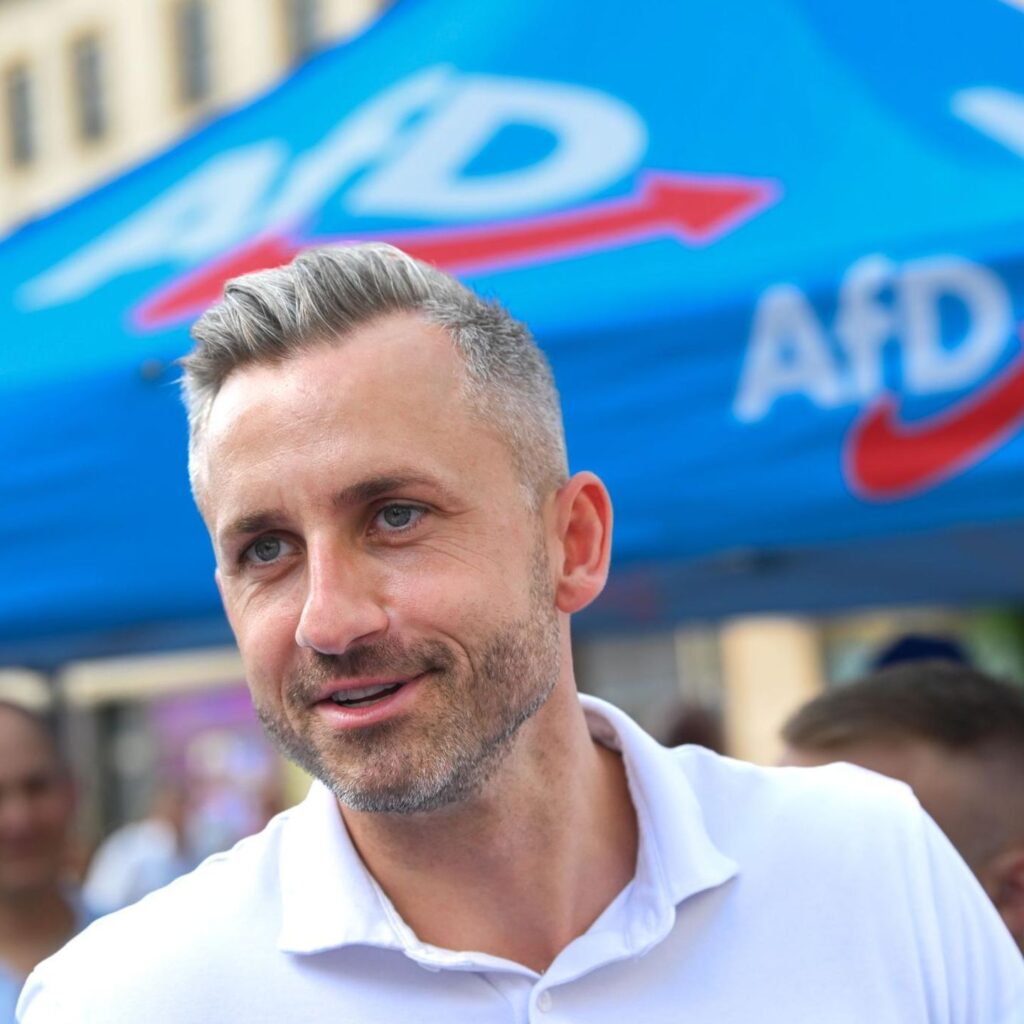
As it was expected, the far right Alternative for Deutschland ( AfD) and its principal candidate Ulrich Siegmund won the elections with 43,8 per cent. Thus, for the first time ever it will have its own government and Prime Minister without any need for a coalition partner. The results for the SPD and other traditional parties were humiliating. Well, it was a political earthquake since its program with radical alternatives shows clearly that AfD is is a pro-russian, anti-EU, anti-imigration and anti-Ukraine party.
The AfD’s victory was not unexpected in the face of a sad reality there. This small state with 2,1 milion inhabitants is getting older faster; poverty is the highest in Germany with monthly incomes of only 3633 Euro; unemployment is 8,5 from 6 that is the german average. One in 10 pupils abandons school without finishing it. These and other deficiencies and problems crying out for solution, especially the lack of security and growing crime from emigrants were at the center of public debates from the charismatic AfD leadersdhip. Meanwhile, the governmental parties, apart from their repeated promises not kept did offer nothing else, since they have virtually lost their political reliability.
The echo and effects of this political earthquake will be felt after two weeks in the elections in Berlin and in Mecleburg Vorpommern and then in the next year elections in other states in Germany and in France, Poland, Italy, Spain and elsewhere where the AfD far right “sister parties” could enhance their political geography and even come to power, particularly in France and Poland.
© 2026 Argumentum