














Organized by the Albania–Türkiye Chamber of Commerce and Industry (ATTSO), the forum brings together businesses from five countries. Economy Minister Delina Ibrahimaj calls for Turkish companies to move beyond trade towards direct investment, while Ankara views the Balkans as a region of strategic importance.
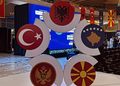
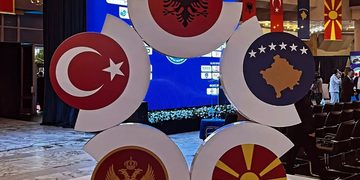
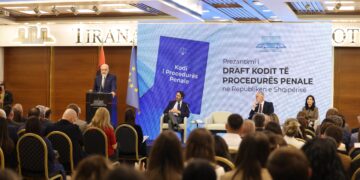
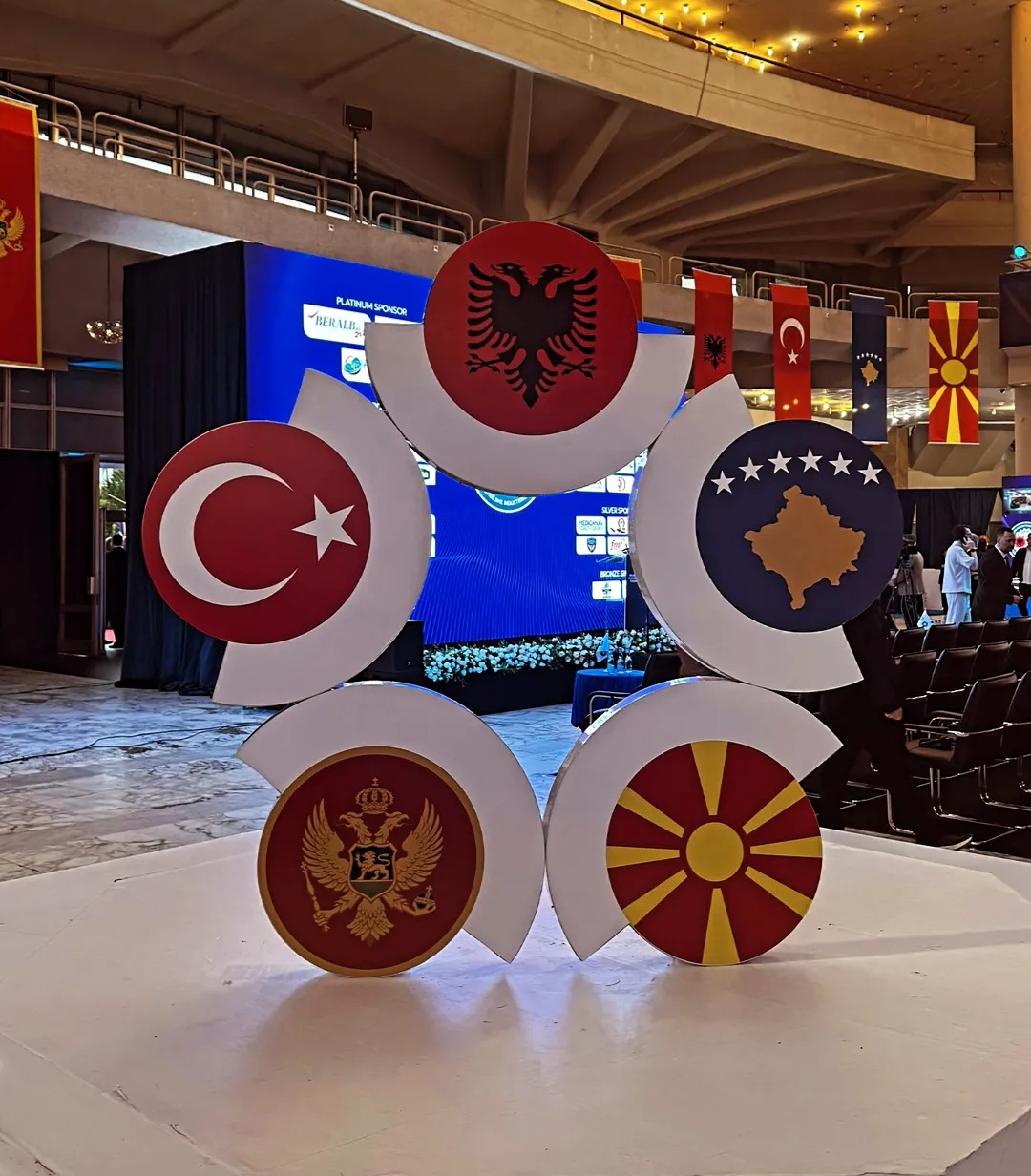
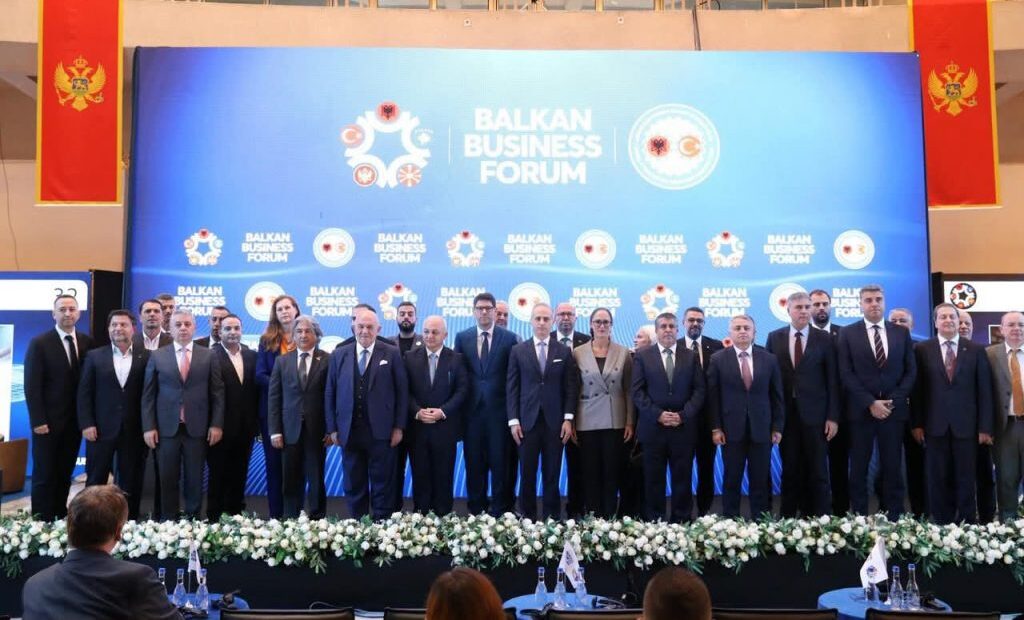
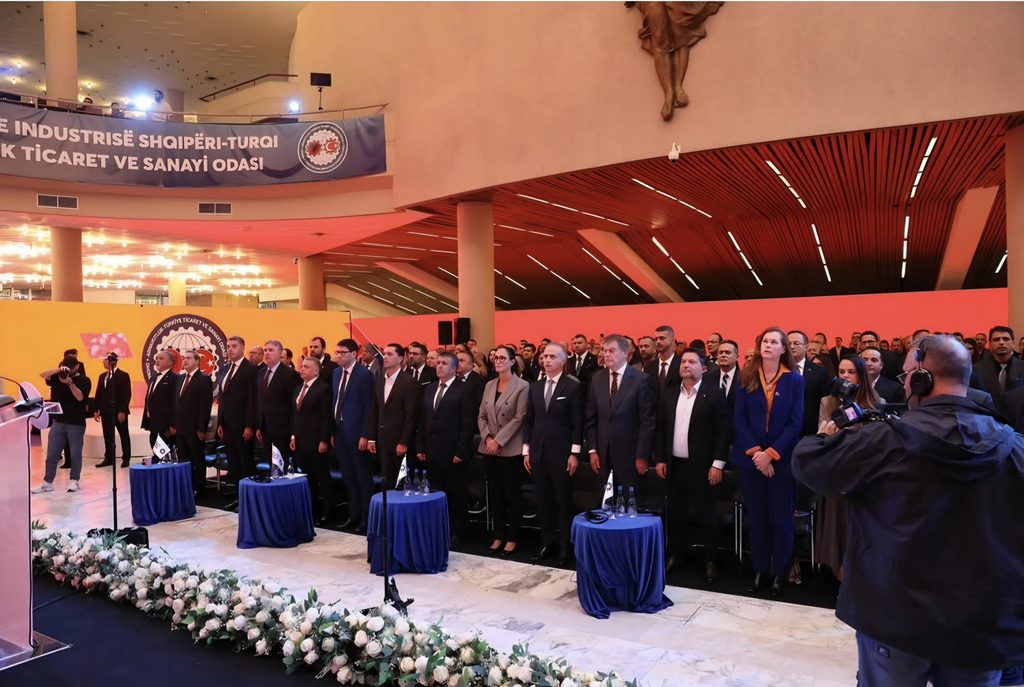
TIRANA, October 9, 2026 – The Balkan Business Forum, organized by the Albania–Türkiye Chamber of Commerce and Industry (ATTSO) at the Palace of Congresses in Tirana, brought together representatives of institutions, chambers of commerce and businesses from Albania, Türkiye, Kosovo, North Macedonia and Montenegro, with the aim of building new commercial partnerships and encouraging investment across the region.
Beyond its role as a business gathering, the forum seeks to provide a broader platform for economic cooperation, enabling companies from participating countries to identify partners, explore new markets and develop joint projects. Trade, investment and institutional cooperation were among the key areas of focus, as regional economies increasingly look to combine their capacities and competitive advantages.
Ibrahimaj: From Trade Relations to Direct Investment
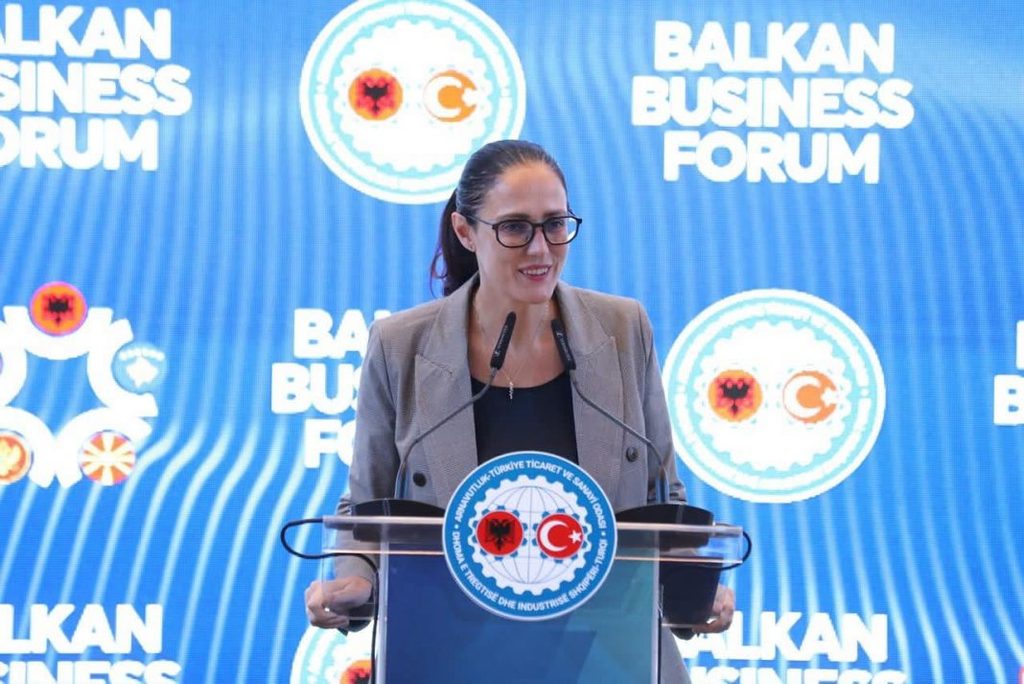
Albania’s Minister of Economy and Innovation, Delina Ibrahimaj, emphasized that regional cooperation is essential for the economies of the Western Balkans, which, operating separately, have limited capacity to attract major investments and expand their presence in international markets.
She stressed that combining resources, promoting joint investments and making better use of competitive advantages could make the region more attractive to investors and create new opportunities for trade.
Türkiye remains one of Albania’s key trading partners. According to figures presented by the minister, Türkiye accounted for 7.3 percent of Albania’s total trade volume in 2025. However, bilateral exchanges continue to be dominated by imports, making the expansion of Albanian exports and Turkish direct investment important priorities for the future of economic relations between the two countries.
Ibrahimaj stated that Turkish investment in Albania reached approximately €111 million in the first half of 2026. She called on Turkish companies to translate their interest in the Albanian market into concrete investments across different sectors of the economy.
“I hope that the interest of Turkish companies in Albania will not be limited to contracting or selling, but will also extend to investing,” the minister said.
Her message highlights the need to move towards a more advanced stage of economic partnership. For Albania, the challenge is not simply to maintain and expand trade with Türkiye, but also to attract capital that creates productive capacity, generates employment and adds value to the domestic economy.
The minister also underlined the importance of developing a common regional market, with fewer barriers and less time required to conduct business. She expressed the expectation that the work of the joint Albania–Türkiye commission would produce concrete initiatives and plans before the end of the year, further strengthening economic relations.
Türkiye Sees the Balkans as a Region of Strategic Importance
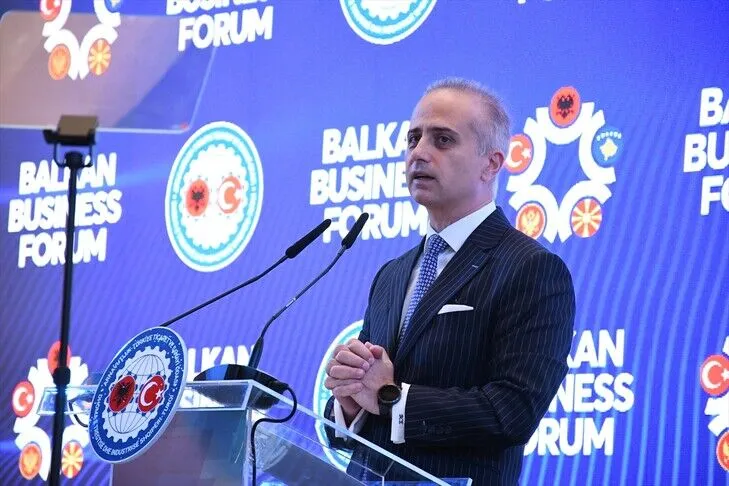
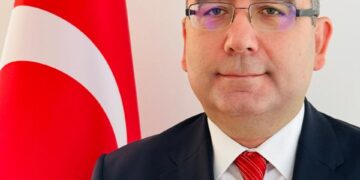
Türkiye’s Ambassador to Albania, Barış Ceyhun Erciyes, described the Balkans as a region of strategic importance to Ankara, both politically and economically.
He noted that historical and cultural ties provide an important foundation for the further development of economic relations. According to the ambassador, Albania occupies an important place in Türkiye’s partnerships with countries across the region.
Erciyes also pointed to Albania’s ongoing economic transformation, developments in its European Union accession process and investment in infrastructure as factors creating new opportunities for cooperation.
Strong political relations between the two countries, he said, are also reflected in the economic sphere. In this context, forums such as this one provide a platform for bringing businesses together, identifying concrete opportunities and strengthening connections between markets.
Mehmet Ali Kılıçkaya, Director General for Exports at Türkiye’s Ministry of Trade, likewise highlighted the rapid development of economic relations between Türkiye and the Balkan countries in recent years. He emphasized that the region’s economic future could benefit from stronger cooperation among the countries themselves.
ATTSO and the Prospect of a Wider Balkan Economic Network
Kenan Sevinç, Chairman of the Board of ATTSO, emphasized that the forum aims to promote a shared economic future built on trade, investment, production and mutual trust.
The participation of businesses from five countries, alongside institutions and business organizations, demonstrates the potential to establish new connections and develop concrete partnerships, he said.
The programme included thematic discussions and business presentations at exhibition stands. Preparations for the forum also envisaged bilateral business-to-business (B2B) meetings and networking activities.
The targeted sectors included consumer goods, hospitality and gastronomy, construction, agriculture, solar energy, freight transport, mining and furniture.
This sectoral diversity creates opportunities for companies seeking new suppliers, manufacturing partners, distribution channels or access to additional markets across the region.
From Business Contacts to Concrete Projects
The Balkan Business Forum comes at a time when regional economic cooperation is increasingly viewed as a means of strengthening competitiveness and attracting investment. For Albania and Türkiye, the challenge is to translate established political and commercial relations into new investments, higher Albanian exports and projects that generate sustainable benefits for both sides.
For the Western Balkan countries, economic cooperation can help overcome the limitations of relatively small national markets. A more coordinated approach could expand opportunities for domestic companies, facilitate links with regional supply chains and increase the appeal of the region to international investors.
However, the success of a forum of this kind cannot be measured solely by the number of participants or the contacts established during meetings. Its long-term impact will depend on whether these connections lead to agreements, investments, productive partnerships and more balanced trade flows.
In this respect, the Balkan Business Forum organized by ATTSO in Tirana aims to serve as a meeting point for broader economic cooperation, transforming geographical proximity, historical ties and shared interests into concrete development opportunities for Albania, Türkiye and the wider region.
© 2026 Argumentum