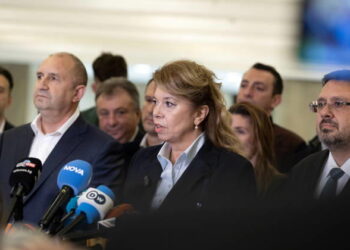


















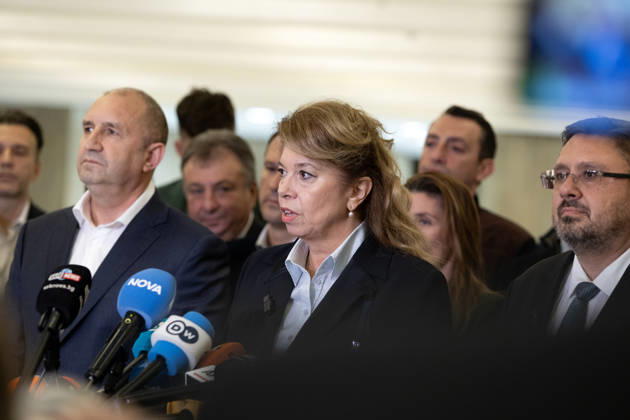
Bulgaria has elected Iliana Yotova as its first female president, after she won Sunday’s presidential runoff with 57.58% of the vote, defeating pro-Western candidate Andrey Gyurov, who received 39.46%, according to near-final results from the Central Election Commission.
Yotova secured 1,093,564 votes, compared with 749,543 for Gyurov. The latter conceded defeat, while voter turnout stood at approximately 27%.
Her victory strengthens the political position of Prime Minister Rumen Radev, whose Progressive Bulgaria movement backed her candidacy and secured a parliamentary majority in April’s elections.
Yotova, 62, took over as acting president in January after Radev resigned to return to party politics. She is expected to be inaugurated on January 22 for a five-year term.
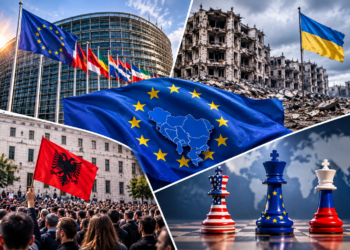
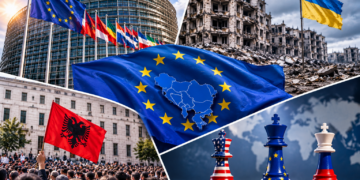
The election has attracted international attention because of its potential implications for Bulgaria’s position on Russia’s war against Ukraine and regional security in the Black Sea.
During the campaign, Yotova advocated diplomatic negotiations between Moscow and Kyiv, opposed further Bulgarian military assistance to Ukraine and called for renewed dialogue between the European Union and Russia.
Her rival, former caretaker prime minister Andrey Gyurov, backed by pro-Western reformist parties, supported stronger cooperation with Ukraine and signed a security agreement with Kyiv during his time in office.
Yotova has pledged to maintain Bulgaria’s European orientation while pursuing a more independent foreign policy and improved relations with Moscow.
European Commission President Ursula von der Leyen congratulated Yotova on her victory, expressing readiness to continue cooperation with Bulgaria on security and defence, competitiveness and energy independence.
The vote took place amid growing security concerns in the Black Sea, following drone attacks on commercial vessels near Bulgarian and Romanian waters that have resulted in casualties among seafarers.
Although Bulgaria’s presidency is largely ceremonial, the head of state serves as commander-in-chief of the armed forces, can veto legislation and plays a role in foreign policy and the appointment of caretaker governments.
Bulgaria joined NATO in 2004 and the European Union in 2007. Yotova’s victory is expected to reinforce the political direction associated with Radev, while raising questions about Sofia’s future position on Ukraine, relations with Russia and European security.
© 2026 Argumentum