





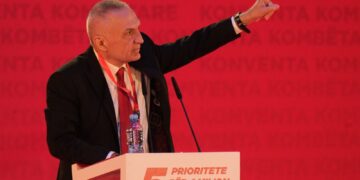


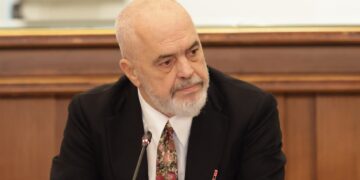
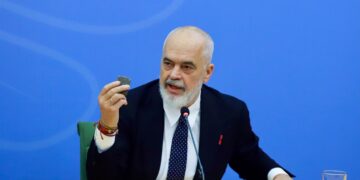
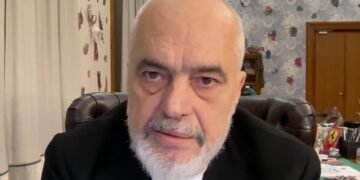


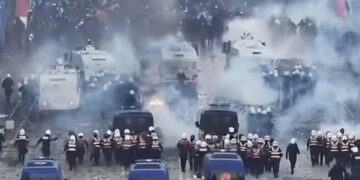
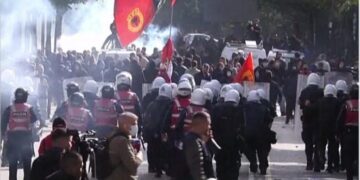
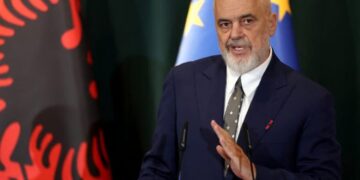


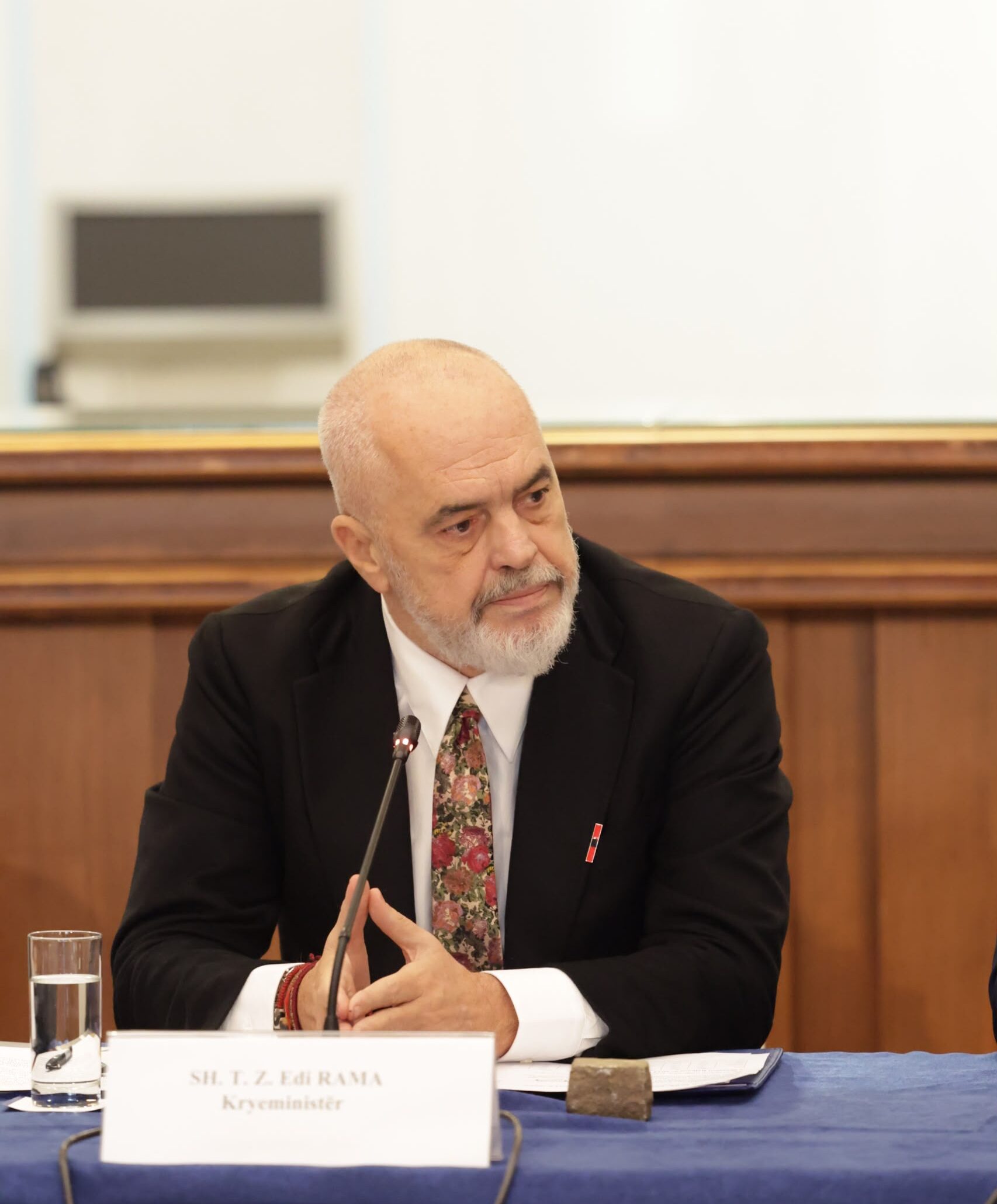
TIRANA, October 21– Albanian Prime Minister Edi Rama on Wednesday accused domestic and foreign actors of orchestrating violence during recent anti-government protests, pledging tougher measures against those responsible for attacks on public and private property while promising additional support for students and young people.
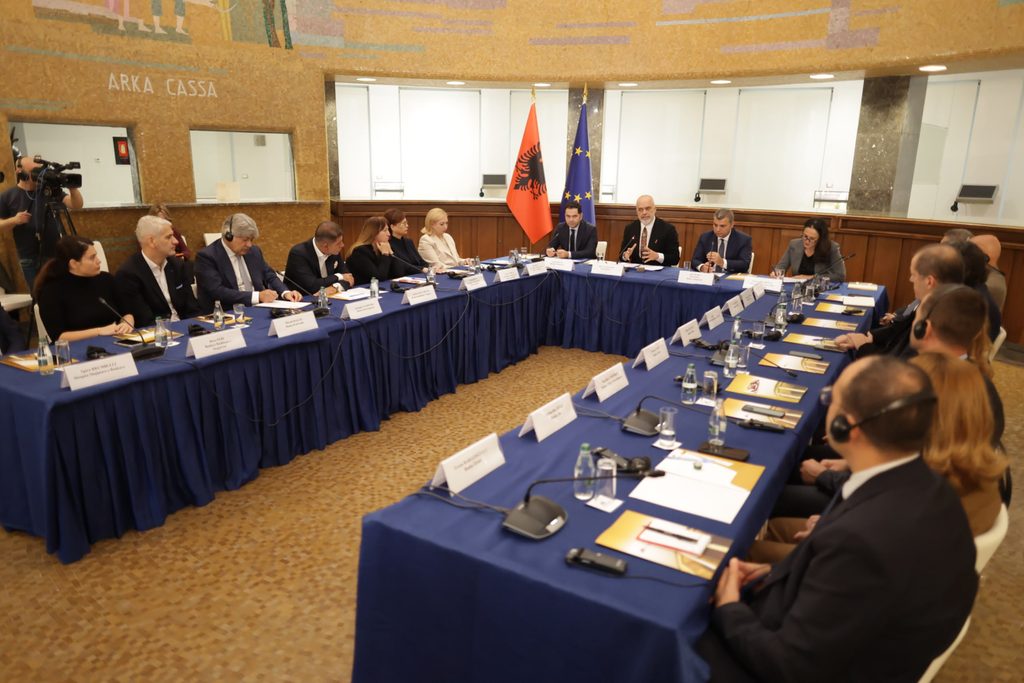
Speaking at a meeting with banking sector executives at the Bank of Albania, Rama said the government believed the violence was organised and linked to groups operating both inside and outside the country. He also alleged that foreign forces were seeking to destabilise Albania and Europe, but did not provide specific evidence for those claims in his remarks.
Rama distinguished between violent protesters and students and other citizens who, he said, had legitimate reasons to demonstrate and demand political or social change.
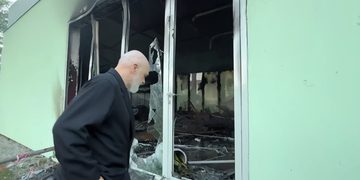
The protests have included attacks on public institutions and financial facilities, including damage to the central bank building, according to Rama, who said the government would ensure that those responsible for damaging property were held accountable.
“Those who have raised their hands against the state, against the police, and damaged public and private property will have the state pursuing them until they pay for the damage they have caused,” he said.
Tougher enforcement measures
Rama said the government was preparing a package of measures to address the violence, drawing on approaches adopted in France and Italy. He announced plans to use technology to identify people involved in violent incidents, including masked protesters, and said the government would establish a special register of people convicted of violent acts.
He also said Albania would seek cooperation with European Union countries to restrict violent offenders’ access to certain services and facilities, including airports, hotels, trains and other forms of transport.
The prime minister further proposed that families could be held financially responsible when minors damage other people’s property during protests, adding that the government was considering restrictions on access to state services for such families.
Rama also said authorities had prevented an alleged drone attack involving explosives against the prime minister’s office. He did not provide further details about the incident during the meeting.
Government pledges support for students
Alongside the security measures, Rama outlined plans to address some of the economic concerns affecting young people, including the high cost of housing in Tirana.
He said the government had approved a draft law on affordable social housing for submission to parliament. Under the proposed scheme, the state would cover 50% of eligible students’ rental costs, subject to specified criteria.
The plan would also provide zero-interest loans for young couples seeking to buy apartments below a set price threshold, as well as loans at 3% interest for young professionals, public-sector employees and people starting businesses.
Rama said the government also intended to increase funding for youth employment and expand financing opportunities for small businesses and start-ups, including through state-backed guarantees.
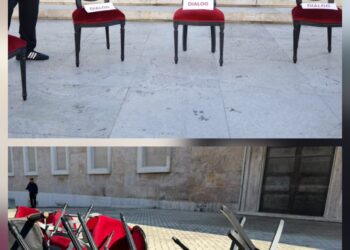
He called for a return to dialogue, citing the 2018 student protests as an example of demonstrations that had led to negotiations and policy changes.
The government, he said, was prepared to engage with critics and address legitimate grievances, but would not accept violence as a means of exerting political pressure.
Banking sector and economic stability
Addressing banking executives, Rama expressed solidarity with financial institutions affected by the recent unrest and urged them to maintain normal operations.
He said the attacks had created pressure and public concern, but insisted that the banking system remained under control and that financial institutions were resuming their activities.
Rama also warned against attempts to generate panic around banks and cash machines, arguing that economic growth depended on work, cooperation and public confidence rather than violence.
He described Albania’s economic performance as encouraging compared with other countries in the region, while acknowledging that citizens continued to face social and economic difficulties.
The prime minister said the government would continue to defend public institutions while working to address demands for better opportunities, employment and affordable housing.
“Economic growth comes through work, not stones,” Rama said, calling for calm and a return to democratic dialogue.
© 2026 Argumentum