













Students, lecturers and parents join anti-government protests in Tirana as the prime minister alleges “hybrid warfare” and offers dialogue rejected by demonstrators demanding political change.
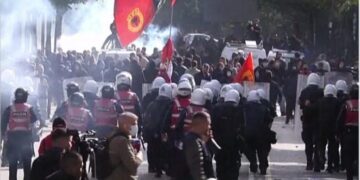
TIRANA, Oct 20 – Anti-government protests in Albania entered their eighth day on Tuesday, with students, young people, university lecturers and parents gathering in Tirana to demand political change as Prime Minister Edi Rama offered dialogue and accused protesters of being exploited in a campaign of “hybrid warfare”.
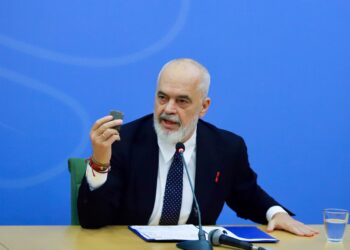
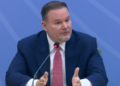
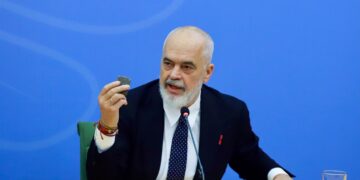
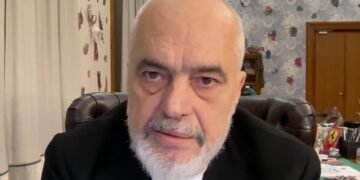
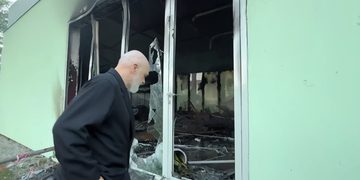
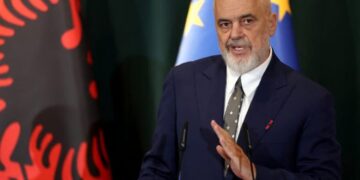
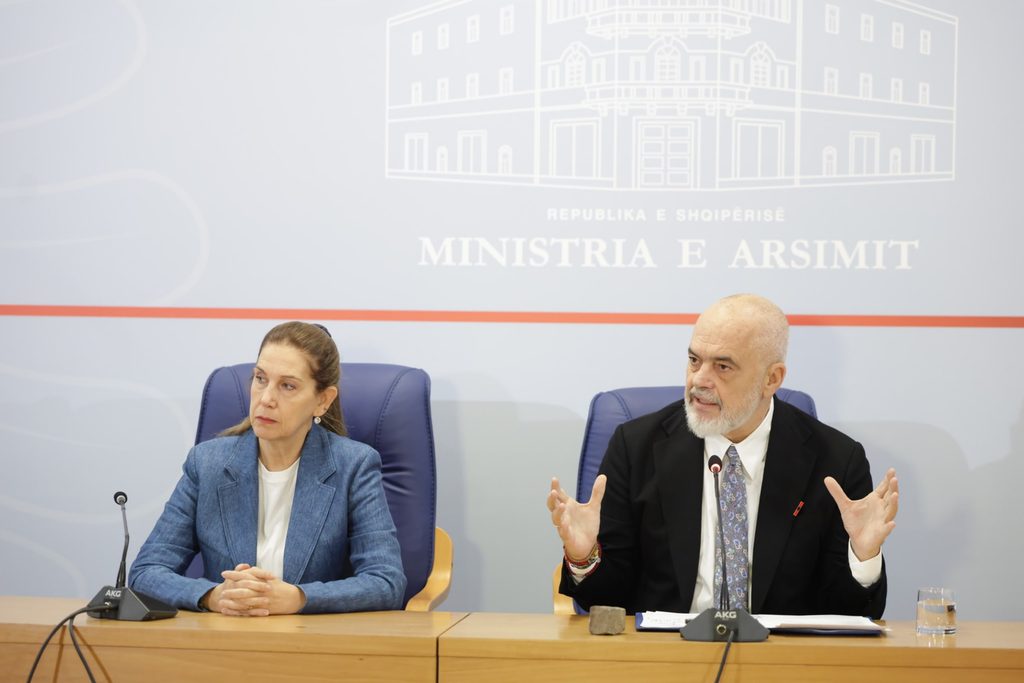
Speaking at the Ministry of Education, Rama said the unrest was being fuelled by actors seeking to exploit genuine public grievances to undermine his government. He held up a stone, saying objects thrown at police could become weapons, and distinguished violent acts from the constitutional right to protest.
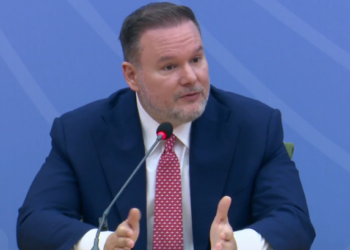
Rama also accused some media outlets of pursuing political and financial interests and alleged that foreign actors were helping to fuel the unrest. He provided no specific evidence for the alleged foreign involvement in the remarks cited.
“This is hybrid warfare that works because it is based on real concerns, not fantasies,” Rama said, referring to public anxieties over housing and future opportunities.
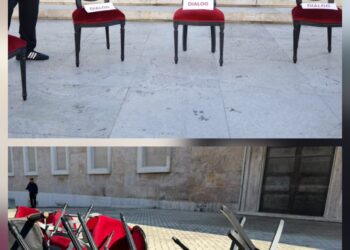
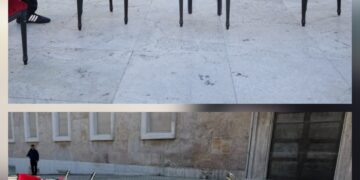
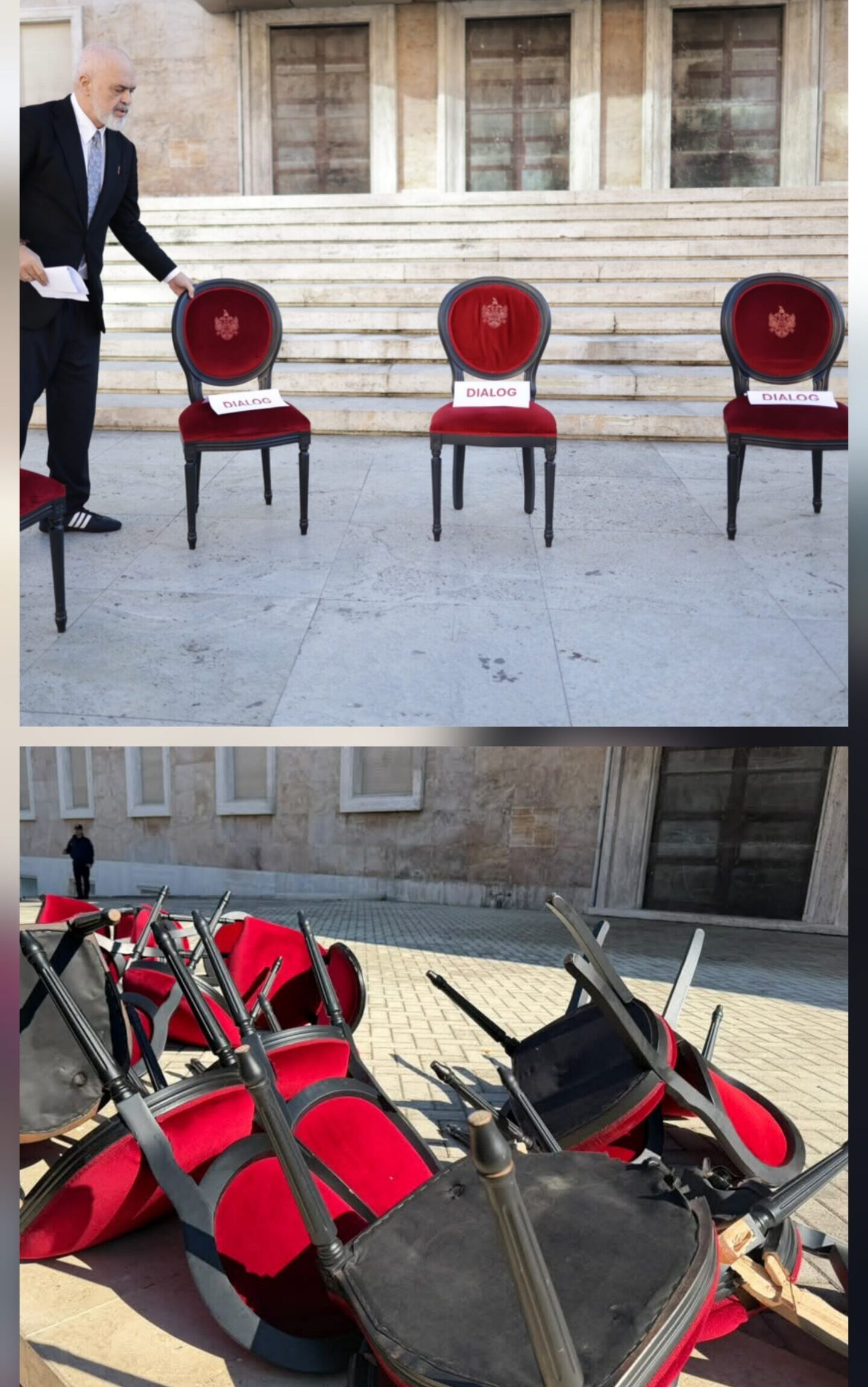
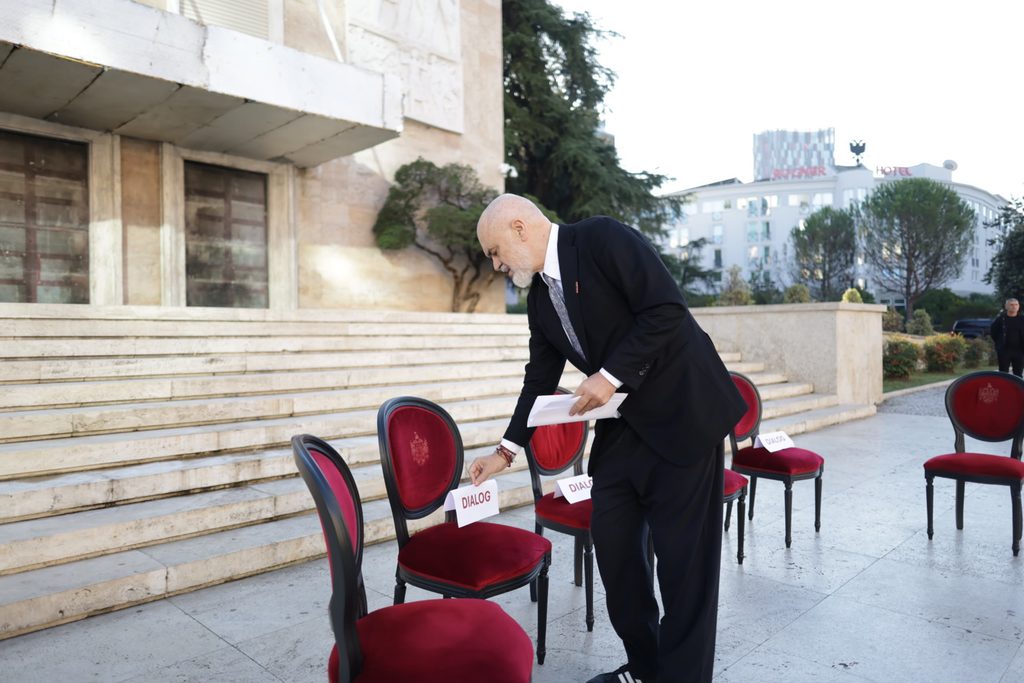
Later, he renewed his call for dialogue and placed chairs outside the prime minister’s office as a gesture of willingness to meet protesters. Demonstrators continued to demand his resignation, and the chairs were overturned and damaged during the protest.
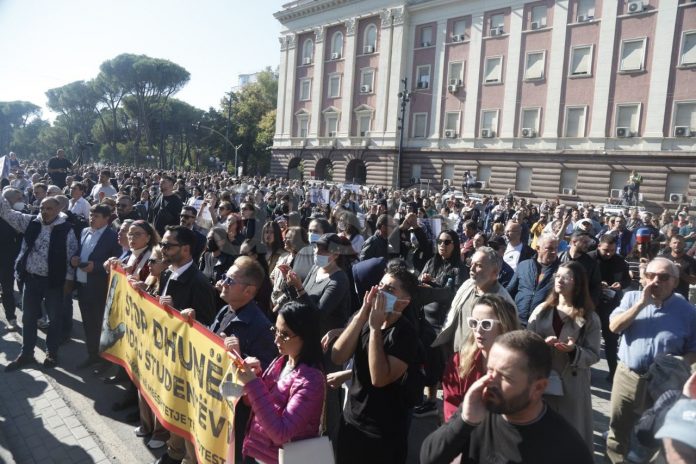
The demonstrations have expanded beyond students, with university lecturers and parents joining the movement. The Union of University Employees of Albania (SPUSH) held a peaceful march from Tirana Polytechnic University to the prime minister’s office under the slogan “Stop violence against students”.
Union leader Aleksandër Kovaçi accused the government of ignoring demands submitted in March. SPUSH has called for Rama’s resignation and the formation of a caretaker government, as well as an end to violence against protesters and greater protection of civil rights.
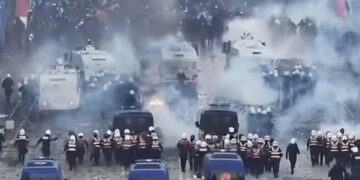
Clashes between protesters and police in recent days have left people injured on both sides, with minors, journalists and passers-by also reported among those hurt. SPUSH has condemned what it describes as police violence, while Rama has focused on attacks against police and public institutions.
The competing accounts have sharpened the dispute over police conduct, the right to peaceful assembly and political responsibility. Rama’s claims of foreign involvement have not been substantiated by evidence in the statements cited.
The protests now pose a challenge to the government beyond public order, as demands for political change grow. Rama has offered talks but rejected no public position on his departure, while protesters continue to insist that his resignation is the central demand.
© 2026 Argumentum