





• SHQIPËRI
  • KOSOVË
  • MAQEDONIA E VERIUT
  • MALI I ZI
  • Revista në PDF
7 June, 2026
  • Home
  • OP/ED

    Pierre Nora and the institution of memory we lack in Eastern Europe

    The Blueprint of a Diplomatic Debacle: Analyzing Germany’s Historic UNSC Loss

    Cyber Attribution, Corruption, and the False-Flag Question in Albania’s 2022 Alleged Iranian Cyberattack

    Between Russia, Iran and Europe: Azerbaijan as a balancing power in the South Caucasus

    The Zero-Tariff Gate: Sovereignty as a Service in the Sino-African Corridor

    Albania vs. the Sea/ Marginal Notes on A. Leka’s Novel The Hidden Side of the Albanian Socialist Garden

    May 9 and the long shadow of a Letter: Is Europe still Schuman’s Project?

    The Arbnesh of Zadar: A living memory of Albanian identity on the Adriatic coast

    Science Diplomacy and Academic Freedom: A strategic nexus for contemporary diplomacy

  • Interview

    Exclusive Interview with Oleksandr Tyshchenko: A 40-Year Legacy of Chernobyl, Nuclear Risks, and Global Responsibility

    INTERVIEW: ZLATKO KRAMARIĆ – THOUGHTS ON THE OLD CONTINENT

    EXCLUSIVE / Ukrainian Ambassador to Albania, Volodymyr Shkurov: “Ukraine wants peace, but not at the expense of its freedom and independence”

    EXCLUSIVE| Ambassador Tayyar Kagan Atay: Türkiye and Albania, a Strategic Partnership Rooted in Shared Heritage and a Common Vision for the Future

    “Diplomacy, Not War”: Palestinian Ambassador to Albania Calls for Justice, Peace, and Global Action for Gaza

    Exclusive: “Even After Tito – Tito”/ Ambassador Zlatko Kramarić on Authoritarian Legacies and Democracy’s Future in the Balkans

    The Conclusion of the Diplomatic Mission / Ambassador Dancho Markovski: Strengthening Albania-North Macedonia Relations for a Shared European Future

    A Century of Diplomatic Relations Between Albania and Russia: Exclusive Interview with the Russian Ambassador to Albania, H.E. Alexey Zaytsev

    Exclusive/ The chairman of the Freedom Party, Ilir Meta: “The will of the citizens will triumph in Albania, as it did in North Macedonia”

  • Realpolitik

    IBAR? ”Sufficiently! Much ado about nothing! Shart contrasts in Beijing! Where is the exit?!

    Neither peace nor war! Peace with bombs?! IBAR in autumn?! Not another Hormuz in Taivan! 

    IBAR – a springing board or an obstacle? Can we catch the EU Negotiation train 2027? When the dress makes the news!  EU electoral April  ends in a draw 1:1!  

    The European Parliament building in Strasbourg, France with flags waving calmly celebrating peace of the Europe. July 12, 2020.

    EU 2027 or 2037! Even half membership failed! No exit strategy!     

    What next?

    “With diplomatic velvet“! Major question marks! In Washington yes, but  in the White House NO! A strange dinner in Brussels!

    From a great ‘apple of disaccord’ to a  point of  cooperation! A bad start! The strange absence in Davos!

    5 lessons from the American 3 January! Don’t count the chicken before they are hatched! Will NATO freeze in Greenland? Wrong diplomatic messages!

    German Chancellor Friedrich Merz, European Commission President Ursula von der Leyen, Ukraine's President Volodymyr Zelenskiy, U.S. Special Envoy Steve Witkoff and Jared Kushner, son-in-law of U.S. President Donald Trump line up for a family photo opportunity at the Chancellery in Berlin, Germany, December 15, 2025.    REUTERS/Lisi Niesner/Pool

    A Strategy that could change the world! Europe in Berlin! Why an historic compromise? Only charm diplomacy in Athens!

  • Current Events

    Rama alleges ‘hybrid war’ behind protests against Kushner-linked coastal development

    BELGRADE, SERBIA - JUNE 18. 2020: Russian and Serbian flags on display during Russian Foreign Minister Sergei Lavrov's visit to the Liberators of Belgrade Memorial. Valery Sharifulin/TASS,Image: 533095429, License: Rights-managed, Restrictions: UWAGA! Zdjęcia zawierają oryginalny opis dostawcy (ITAR-TASS). Szczególnie w związku z agresją Rosji na Ukrainę mogą zawierać przekaz niezgodny z faktami. Zweryfikuj go przed publikacją, Model Release: no, Credit line: Valery Sharifulin / TASS / Forum

    Balkan Maskirovka: Why Moscow’s “Distancing” Is Only an Operation for the Survival of Vučić’s Regime

    Serbia – China 2026: Technological partnership, geopolitical positioning and a new phase of the Chinese presence in the Western Balkans

    The Digital Protectorate: How the EU AI Act Codified Silicon Valley’s Monopoly

    The 28th MFC Annual Conference in Durrës / Sulaj: Microfinance remains a key instrument for financial inclusion

    Serbia at the Crossroads of EU Integration and Geopolitical Balancing: IFIMES Analysis

    Tirana – €20 Million EU–Banking Agreement Boosts Albanian SMEs

    The Myth of Independence: How Chinese Efficiency is Rewriting the Constitution of Modern Geopolitics!

    Europe Yesterday and Today: Why 9 May Still Matters

  • Top News

    Rama alleges ‘hybrid war’ behind protests against Kushner-linked coastal development

    No End in Sight: Trump, Netanyahu and the Expanding Middle East War

    Tirana – €20 Million EU–Banking Agreement Boosts Albanian SMEs

    “EU4Municipalities II” Project, a Strategic Investment for Strengthening Municipalities and Accelerating Albania’s Path towards the EU

    Albania, Italy deepen defence ties with naval shipbuilding deal

    U.S. Embassy: Iran-Linked Groups May Target Americans and Iranian Opposition in Albania

    The Council of Albanian Ambassadors disappointed with the voting of the draft law on the foreign service in the parliamentary committees.

    Prime Minister Edi Rama Addresses Israel’s Knesset in Historic Special Session

    Kazakhstan’s Strategic Reform Agenda: Stability, Modern Governance, and Responsible Diplomacy

  • YOUR VOICE
  • Shqip
No Result
View All Result
Argumentum
  • Home
  • OP/ED

    Pierre Nora and the institution of memory we lack in Eastern Europe

    The Blueprint of a Diplomatic Debacle: Analyzing Germany’s Historic UNSC Loss

    Cyber Attribution, Corruption, and the False-Flag Question in Albania’s 2022 Alleged Iranian Cyberattack

    Between Russia, Iran and Europe: Azerbaijan as a balancing power in the South Caucasus

    The Zero-Tariff Gate: Sovereignty as a Service in the Sino-African Corridor

    Albania vs. the Sea/ Marginal Notes on A. Leka’s Novel The Hidden Side of the Albanian Socialist Garden

    May 9 and the long shadow of a Letter: Is Europe still Schuman’s Project?

    The Arbnesh of Zadar: A living memory of Albanian identity on the Adriatic coast

    Science Diplomacy and Academic Freedom: A strategic nexus for contemporary diplomacy

  • Interview

    Exclusive Interview with Oleksandr Tyshchenko: A 40-Year Legacy of Chernobyl, Nuclear Risks, and Global Responsibility

    INTERVIEW: ZLATKO KRAMARIĆ – THOUGHTS ON THE OLD CONTINENT

    EXCLUSIVE / Ukrainian Ambassador to Albania, Volodymyr Shkurov: “Ukraine wants peace, but not at the expense of its freedom and independence”

    EXCLUSIVE| Ambassador Tayyar Kagan Atay: Türkiye and Albania, a Strategic Partnership Rooted in Shared Heritage and a Common Vision for the Future

    “Diplomacy, Not War”: Palestinian Ambassador to Albania Calls for Justice, Peace, and Global Action for Gaza

    Exclusive: “Even After Tito – Tito”/ Ambassador Zlatko Kramarić on Authoritarian Legacies and Democracy’s Future in the Balkans

    The Conclusion of the Diplomatic Mission / Ambassador Dancho Markovski: Strengthening Albania-North Macedonia Relations for a Shared European Future

    A Century of Diplomatic Relations Between Albania and Russia: Exclusive Interview with the Russian Ambassador to Albania, H.E. Alexey Zaytsev

    Exclusive/ The chairman of the Freedom Party, Ilir Meta: “The will of the citizens will triumph in Albania, as it did in North Macedonia”

  • Realpolitik

    IBAR? ”Sufficiently! Much ado about nothing! Shart contrasts in Beijing! Where is the exit?!

    Neither peace nor war! Peace with bombs?! IBAR in autumn?! Not another Hormuz in Taivan! 

    IBAR – a springing board or an obstacle? Can we catch the EU Negotiation train 2027? When the dress makes the news!  EU electoral April  ends in a draw 1:1!  

    The European Parliament building in Strasbourg, France with flags waving calmly celebrating peace of the Europe. July 12, 2020.

    EU 2027 or 2037! Even half membership failed! No exit strategy!     

    What next?

    “With diplomatic velvet“! Major question marks! In Washington yes, but  in the White House NO! A strange dinner in Brussels!

    From a great ‘apple of disaccord’ to a  point of  cooperation! A bad start! The strange absence in Davos!

    5 lessons from the American 3 January! Don’t count the chicken before they are hatched! Will NATO freeze in Greenland? Wrong diplomatic messages!

    German Chancellor Friedrich Merz, European Commission President Ursula von der Leyen, Ukraine's President Volodymyr Zelenskiy, U.S. Special Envoy Steve Witkoff and Jared Kushner, son-in-law of U.S. President Donald Trump line up for a family photo opportunity at the Chancellery in Berlin, Germany, December 15, 2025.    REUTERS/Lisi Niesner/Pool

    A Strategy that could change the world! Europe in Berlin! Why an historic compromise? Only charm diplomacy in Athens!

  • Current Events

    Rama alleges ‘hybrid war’ behind protests against Kushner-linked coastal development

    BELGRADE, SERBIA - JUNE 18. 2020: Russian and Serbian flags on display during Russian Foreign Minister Sergei Lavrov's visit to the Liberators of Belgrade Memorial. Valery Sharifulin/TASS,Image: 533095429, License: Rights-managed, Restrictions: UWAGA! Zdjęcia zawierają oryginalny opis dostawcy (ITAR-TASS). Szczególnie w związku z agresją Rosji na Ukrainę mogą zawierać przekaz niezgodny z faktami. Zweryfikuj go przed publikacją, Model Release: no, Credit line: Valery Sharifulin / TASS / Forum

    Balkan Maskirovka: Why Moscow’s “Distancing” Is Only an Operation for the Survival of Vučić’s Regime

    Serbia – China 2026: Technological partnership, geopolitical positioning and a new phase of the Chinese presence in the Western Balkans

    The Digital Protectorate: How the EU AI Act Codified Silicon Valley’s Monopoly

    The 28th MFC Annual Conference in Durrës / Sulaj: Microfinance remains a key instrument for financial inclusion

    Serbia at the Crossroads of EU Integration and Geopolitical Balancing: IFIMES Analysis

    Tirana – €20 Million EU–Banking Agreement Boosts Albanian SMEs

    The Myth of Independence: How Chinese Efficiency is Rewriting the Constitution of Modern Geopolitics!

    Europe Yesterday and Today: Why 9 May Still Matters

  • Top News

    Rama alleges ‘hybrid war’ behind protests against Kushner-linked coastal development

    No End in Sight: Trump, Netanyahu and the Expanding Middle East War

    Tirana – €20 Million EU–Banking Agreement Boosts Albanian SMEs

    “EU4Municipalities II” Project, a Strategic Investment for Strengthening Municipalities and Accelerating Albania’s Path towards the EU

    Albania, Italy deepen defence ties with naval shipbuilding deal

    U.S. Embassy: Iran-Linked Groups May Target Americans and Iranian Opposition in Albania

    The Council of Albanian Ambassadors disappointed with the voting of the draft law on the foreign service in the parliamentary committees.

    Prime Minister Edi Rama Addresses Israel’s Knesset in Historic Special Session

    Kazakhstan’s Strategic Reform Agenda: Stability, Modern Governance, and Responsible Diplomacy

  • YOUR VOICE
  • Shqip
No Result
View All Result
Argumentum
No Result
View All Result
Home ENGLISH

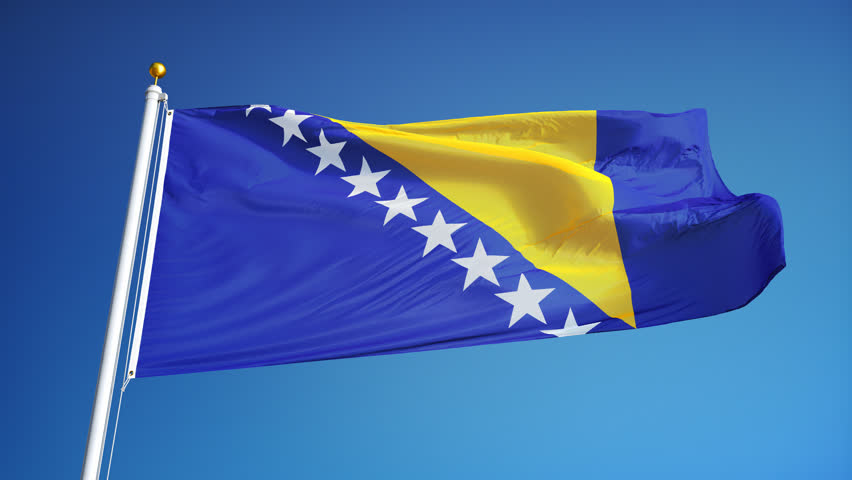
Swiss model for Bosnia and Herzegovina

15 March, 2024
in ENGLISH, English OP/ED
A A
Share on FacebookShare on Twitter

Peace is not everything, but without peace everything is nothing!

Msgr. Prof. Dr. Franjo Topić

Almost thirty years after the signing of the Dayton Peace Agreement, Bosnia and Herzegovina (BiH) is still in a sort of coma, and some say that there has never been a worse crisis, which is often said since the war. This text[2] is not daily-political and should not be interpreted as such, but the thinking of an engaged intellectual who cares about all of Bosnia and Herzegovina and all the citizens and peoples of this country, and especially about peace in BiH and the world. As the famous saying goes: Without a peaceful Bosnia, there is no peaceful Europe. Now BiH has a chance on March 21, 2024 to start negotiations for joining the European Union, which is truly the most important political fact since Dayton. 

There are no ideal solutions, but it is clear to everyone that this type of entity arrangement is exhausted and that something should be changed and improved. And the architect of the Dayton Agreement in 1995 – which stopped the war, and that should always be emphasized, because it is still the most important thing – the American diplomat Richard Holbrook spoke and wrote that Dayton 2 should be organized, which some a priori reject, and they should not, because the search for good solution is probably the obligation of all those who are active in public. This kind of BiH is not functional as a state, it is not fundamentally fair, because many do not have equal rights in all parts of BiH and it does not ensure a good future for Bosnia and Herzegovina. It is useful to recall an event that was very important in its time, and its proposals are still relevant today and, by all accounts, offer a better solution to the organization of BiH than the current one. It is essentially the Swiss model of cantonization of the entire BiH. Especially at the beginning of the independent BiH, Stjepan Kljuić said that BiH should become like Switzerland. Nothing is easy to change, but it is possible. Today’s Switzerland was not easily created either, but one should not get tired and we need to work on it. First of all, we need the political will of the leaders, and a lot of work by experts to change this constitutional model to the satisfaction of all citizens and peoples of BiH, as well as the international community. What is good from the Swiss constitution should be thoroughly rewritten. The fact that a lot has changed since the Dayton Agreement shows that changes are possible. And that should be done jointly by actors similar to Dayton 1. 

Croatian Coordination Committee

We will describe the broader context, because even without context, things cannot be properly understood. Let’s remind ourselves. Bosnian Serbs rebelled against independent Bosnia and Herzegovina (referendum on March 1, 1992) then together with the truncated Yugoslavia (i.e. Serbia and Montenegro) they started a war in BiH. As is known, the conflict between the Croatian Defense Council (HVO) and the (Bosniak) Army of the RBiH started in April 1993. As the situation in Sarajevo and Bosnia and Herzegovina deteriorated and became increasingly complicated, with the risk of total war and the disappearance of BiH and Bosnian Croats, Sarajevo’s Croat and Catholic organizations worked to suppress the conflict at least in Sarajevo, and to resolve many open issues. 

It should be mentioned, because it is important for a better understanding of the text, that Sarajevo lived under complete siege, that there was no electricity and water for months, and that in 1993 humanitarian aid usually consisted of 200 grams of rice per week. For at least two years, with various fluctuations, 1 kg of rice cost DEM 60, sugar 50 – 60, a liter of oil 50, a kilogram of coffee 120 DEM, etc. And the worst thing is that every day people died all over BiH, and at that time the end of the war was not in sight. In August 1993, the establishment of the coordination body of the Croatian parties, the Church and HKD Napredak was initiated. After several meetings, on September 10, 1993, due to the risk of conflict between the HVO and the RBiH Army in Sarajevo, the Croatian Coordination Committee (HKO) was founded, consisting of: Vrhbosnia Archdiocese (Rev. Nikola Lovrić), Franciscan Province (Fr. Ljubo Lucić), Caritas (Rev. Franjo Tomić), Croatian Democratic Community of the City of Sarajevo (Tomo Obrdalj), Croatian Peasant Party of BiH (Ivo Komšić), Croatian Defense Council from Sarajevo (Slavko Zelić), HKD Napredak (Franjo Topić) and Napredak’s Croatian Chamber of Commerce. Tvrtko Nevjestić, president of the Chamber, was elected president, vice-president was the author of these lines, and Hrvoje Ištuk was the secretary. HKO was the real and authorized representative of all members, which is a phenomenon suitable for a broader study. It met often, and sometimes daily, in the Vrhbosanska Theological Seminary and in HKD Napredak, which operated in the Theological Seminary. All decisions and announcements were made by consensus, never by outvoting. Talks were held with all important domestic and international factors (T. Nevjestić, Išječak našeg vremena, in: Napredak’s Croatian National Yearbook for 1997, 372-376). According to the assessment of the participants and witnesses of that difficult time, the HKO played a decisive role in preventing a conflict between the RBiH Army and the HVO in Sarajevo, and some wanted it to happen and worked on it on both sides. If there had been a conflict, many things would have been more difficult and complicated, not only in Sarajevo as the capital, but also in the whole of BiH.

The Assembly of Croats of Bosnia and Herzegovina

The HKO was the organizer of, and HKD Napredak logistically supported the Assembly of Croats of BiH in Sarajevo on February 6, 1994, the day after the horrific massacre at the Markale market. The Assembly adopted the documents that were also present at the Geneva negotiations. At this assembly, the Croatian National Council (HNV) was elected with Dr. Ivo Komšić as its first president, and it continued to achieve similar goals and tasks as the HKO, but without the official representation of the previously mentioned organizations and institutions, which were now replaced by individuals. In his memoir, Dr. Komšić talks a lot about the HKO, HNV and the Assembly. The HKO played its important role and, which rarely happens, ended itself. It should be said that Steve Bubalo, in addition to coming from America with his wife, Pero Radielović and Valentino Ivanković, was a donor to the Assembly.

The Assembly was attended by many distinguished persons from the public life of Bosnia and Herzegovina and the Republic of Croatia: Drago Stipac, the legendary HSS member, Vlado Gotovac, Miko Tripalo, Stipe Mesić, Zvonimir Šeparović, etc. Also, Haris Silajdžić, then Prime Minister of the RBiH Government, Ejup Ganić, member of the RBiH Presidency, Miro Lazović, speaker of the RBiH Parliament, bishop Pero Sudar (archbishop Vinko Puljić was abroad), Mariofil Ljubić, deputy speaker of the RBiH Parliament, etc. As someone wrote: all of the Croatian intelligentsia and artists were present. The Assembly was attended by various ambassadors and international representatives headed by the American ambassador Victor Jackovich, and the French Henry Jacolin, who was particularly significant because the French UNPROFOR controlled the Sarajevo airport and mostly all of Sarajevo. Sergio de Mello, the representative of the United Nations for the former country, also played an important role, enabling the arrival of about a hundred people on UN planes from Zagreb, Split and Frankfurt, which at that time was a real undertaking because even ministers could not easily obtain permission for those flights.

Fruits of the Assembly

The Assembly and its results were eagerly awaited by many domestic and foreign politicians.

The basic proposal was to organize Bosnia and Herzegovina according to the Swiss model with ten cantons, three Croatian (Posavina, Travnik and Herzegovina), three Serbian and three Bosniak, and with Sarajevo as a district. The documents and positions of the Assembly significantly influenced the cessation of the conflict between the RBiH Army and the HVO, and the conclusion of the Washington Agreement, which definitively ended the conflict between the HVO and the RBiH Army, i.e. Bosniaks and Croats, and was the basis for the establishment of the Croat-Bosniak Federation. If it weren’t for the Assembly, there would have been a massacre of unprecedented proportions in the Lašva valley. According to foreign observers, there were about 30,000 soldiers of the RBiH Army in the besieged Lašva valley. Had Central Bosnia collapsed, the question is whether there would be Bosnia and Herzegovina at all? 

Zagreb politician and publicist Slavko Goldstein wrote that this Assembly introduced into the Croatian public “a breath of almost forgotten optimism” (Croatia after the agreement, in: Erasmus 6/1994, page 20). Peter Galbraith, the American ambassador to Croatia at the time, asserted: “It was also important that a group of Croats appeared who proposed different ideas… So the Assembly in Sarajevo was very important… Also for the discussion of maps, their ideas about it were especially important. They were the basis (for the discussion behind the creation of the federation). They also gave importance to the issue of Posavina, which was not the case in previous discussions” (Erasmus 6/1994, 14-15).

Declaration of the Assembly

The Declaration of the Assembly contained the following points:

  1. The state integrity of BiH is a vital interest of the Croatian people;
  2. Urgent and absolute cessation of all war activities;
  3. Continuity of statehood of all three peoples and their equal rights must be ensured in BiH;
  4. Any solution to the crisis in BiH that sanctions ethnic persecution and enables the continuation of ethnic cleansing is rejected;
  5. The return of all exiles and refugees to their homes is demanded;
  6. It is proposed to organize BiH federally on a cantonal basis.

Wouldn’t this arrangement be better than what we have today? With the existing two entities, BiH does not have a good and normal future, as we see every day. Even in the current negotiations, there are two practically opposed concepts: one exclusively ethnic, and the other exclusively “civil“. It should be clarified because there is often confusion around this term: in the political sense, civil in this context means one man – one vote, which is unacceptable for this multinational country. Entities are practically “independent” states and can hardly function solidly together. One of the main arguments of some from the international community why the Republika Srpska entity should not be reformed is that it is functioning. Functioning is a very important argument, but it is not sufficient, nor is it the only one, because North Korea is also functioning – of course, we are not comparing the entity Republika Srpska or Bosnia and Herzegovina with North Korea.

Combined democracy

Bosnia and Herzegovina should be organized, in our opinion, on the principle of “combined democracy“, i.e. personal and national rights should be ensured. The national element will be important here for a long time, and we must not run away from it. The Presidency of BiH and the House of Peoples of BiH ensure symbolic equality at the state level, and the cantons ensure national rights on the ground: education, culture, etc. It should be possible for each people to elect its own member of the Presidency of BiH, experts should work it out so that it is not to the detriment of Croats or the whole of BiH. It is a frivolous argument that this is a further division of BiH, as if it had not already been divided in half! And many do not even mention this main division. Why? We have already mentioned that the International Community (domestic actors did not want to and were not able) did the most important thing when it stopped the war. But that is not enough, now we need to organize Dayton 2 – let us repeat – to make the country as functional, fair and cheap as possible. It is clear that domestic politicians are primarily responsible and that they should find a good compromise solution. And when some criticize the international community, they should not forget that even now without the International Community it would be harder and worse to live. Who prevents domestic leaders from reaching an agreement and leaving the international community without a job? It is often forgotten that without the presence of the international community there would be much less foreign investment. But the international community is saying in vain that domestic politicians should come to an agreement. If they wanted to and were able, they would have done it in so many years. The international community is also co-responsible because it co-created the Dayton Peace Agreement and is also co-responsible for its functioning and improvement. And it is the responsibility of local leaders and the International Community to ensure that conflicts do not arise here, as they are essentially being prepared by constant arguments. Peace is a work of justice and has no price. We will repeat once more: Peace is not everything, but without peace everything is nothing!

We hope and wish that by the next text, Bosnia and Herzegovina will start negotiations for accession to the European Union.
/IFIMES

Related Posts

Current Events

Rama alleges ‘hybrid war’ behind protests against Kushner-linked coastal development

5 June, 2026
ENGLISH

Pierre Nora and the institution of memory we lack in Eastern Europe

5 June, 2026
BELGRADE, SERBIA - JUNE 18. 2020: Russian and Serbian flags on display during Russian Foreign Minister Sergei Lavrov's visit to the Liberators of Belgrade Memorial. Valery Sharifulin/TASS,Image: 533095429, License: Rights-managed, Restrictions: UWAGA! Zdjęcia zawierają oryginalny opis dostawcy (ITAR-TASS). Szczególnie w związku z agresją Rosji na Ukrainę mogą zawierać przekaz niezgodny z faktami. Zweryfikuj go przed publikacją, Model Release: no, Credit line: Valery Sharifulin / TASS / Forum
Current Events

Balkan Maskirovka: Why Moscow’s “Distancing” Is Only an Operation for the Survival of Vučić’s Regime

5 June, 2026

Follow US

Subscribe

Receive Argumentum Magazine by Email

Last Posts

Rama alleges ‘hybrid war’ behind protests against Kushner-linked coastal development

5 June, 2026

Pierre Nora and the institution of memory we lack in Eastern Europe

5 June, 2026
BELGRADE, SERBIA - JUNE 18. 2020: Russian and Serbian flags on display during Russian Foreign Minister Sergei Lavrov's visit to the Liberators of Belgrade Memorial. Valery Sharifulin/TASS,Image: 533095429, License: Rights-managed, Restrictions: UWAGA! Zdjęcia zawierają oryginalny opis dostawcy (ITAR-TASS). Szczególnie w związku z agresją Rosji na Ukrainę mogą zawierać przekaz niezgodny z faktami. Zweryfikuj go przed publikacją, Model Release: no, Credit line: Valery Sharifulin / TASS / Forum

Balkan Maskirovka: Why Moscow’s “Distancing” Is Only an Operation for the Survival of Vučić’s Regime

5 June, 2026

The Blueprint of a Diplomatic Debacle: Analyzing Germany’s Historic UNSC Loss

4 June, 2026

Serbia – China 2026: Technological partnership, geopolitical positioning and a new phase of the Chinese presence in the Western Balkans

1 June, 2026
Argumentum

“Argumentum”, një proces intelektual …

Contact Us

[email protected]
[email protected]
[email protected]

Follow Us

Media Partner

Register

Receive Argumentum Magazine by Email
  • Home
  • Privacy Policy
  • About Us
  • Contact

© 2022 Argumentum. All Rights Reserved. | NUIS: L91415033Q

Welcome Back!

Login to your account below

Forgotten Password? Sign Up

Create New Account!

Fill the forms bellow to register

*By registering into our website, you agree to the Terms & Conditions and Privacy Policy.
All fields are required. Log In

Retrieve your password

Please enter your username or email address to reset your password.

Log In

Add New Playlist

No Result
View All Result
  • Home
  • OP/ED
  • Interview
  • Realpolitik
  • Current Events
  • Top News
  • YOUR VOICE
  • Shqip

© 2022 Argumentum. All Rights Reserved. | NUIS: L91415033Q

This website uses cookies. By continuing to use this website you are giving consent to cookies being used. Visit our Privacy and Cookie Policy.