








• SHQIPËRI
  • KOSOVË
  • MAQEDONIA E VERIUT
  • MALI I ZI
  • Revista në PDF
21 August, 2026
  • Home
  • OP/ED

    Between Political Calculation and Retreat: Croatian Communists at the End of an Era

    The West is buying time, but to whom is it giving it?

    27 July 1941 – A Site of Memory Between War, Revolution and Europe

    The cult of Saint Veneranda / Saint Pren(d)a / Saint Premte / Saint Paraskeva among Albanians

    The Self-Inflicted Decoupling: How U.S. Immigration Policy Is Ceding the Tech Edge to China

    The Blueprint Does Not Stop at the Drina

    The Underlying Logic behind China’s Economic Success

    Do Not Misuse the U.S. Declaration of Independence to Justify the Narrative of Insurrection in Albania

    The visit that changed Albania’s strategic future

  • Interview

    Exclusive Interview with Oleksandr Tyshchenko: A 40-Year Legacy of Chernobyl, Nuclear Risks, and Global Responsibility

    INTERVIEW: ZLATKO KRAMARIĆ – THOUGHTS ON THE OLD CONTINENT

    EXCLUSIVE / Ukrainian Ambassador to Albania, Volodymyr Shkurov: “Ukraine wants peace, but not at the expense of its freedom and independence”

    EXCLUSIVE| Ambassador Tayyar Kagan Atay: Türkiye and Albania, a Strategic Partnership Rooted in Shared Heritage and a Common Vision for the Future

    “Diplomacy, Not War”: Palestinian Ambassador to Albania Calls for Justice, Peace, and Global Action for Gaza

    Exclusive: “Even After Tito – Tito”/ Ambassador Zlatko Kramarić on Authoritarian Legacies and Democracy’s Future in the Balkans

    The Conclusion of the Diplomatic Mission / Ambassador Dancho Markovski: Strengthening Albania-North Macedonia Relations for a Shared European Future

    A Century of Diplomatic Relations Between Albania and Russia: Exclusive Interview with the Russian Ambassador to Albania, H.E. Alexey Zaytsev

    Exclusive/ The chairman of the Freedom Party, Ilir Meta: “The will of the citizens will triumph in Albania, as it did in North Macedonia”

  • Realpolitik

    Belgrade, Zelensky and the Consulates! The European Pact takes water! Drone in Leipzig and hybrid war! Why a  ceasefire is needed in September

    The Summit of Unity! Think of peace and prepare for war! It’s only the start to the end! Just a pause between two wars!

    Peace with war diplomacy! The protest,  image and tourism! Why this silence from the EU Commission and Council? A deal or a pause?

    Just kind words  in Tivat! Where is the peace!? A deal yes, peace No!What is happening with USA and  EU?  5 elections but no solution!

    IBAR? ”Sufficiently! Much ado about nothing! Shart contrasts in Beijing! Where is the exit?!

    Neither peace nor war! Peace with bombs?! IBAR in autumn?! Not another Hormuz in Taivan! 

    IBAR – a springing board or an obstacle? Can we catch the EU Negotiation train 2027? When the dress makes the news!  EU electoral April  ends in a draw 1:1!  

    The European Parliament building in Strasbourg, France with flags waving calmly celebrating peace of the Europe. July 12, 2020.

    EU 2027 or 2037! Even half membership failed! No exit strategy!     

    What next?

  • Current Events

    The Delayed Awakening: Realpolitik and the Structural Causes of European Stagnation

    Democracy Cannot Be Governed by Noise

    Council of Albanian Ambassadors Raises Concern Over Serbian Plan to Alter the Ibër River

    Digitalisation in the modern era as a “Trojan horse” for hybrid warfare

    The four days that changed history

    Bury Those You Killed

    The Serbian Consulate in Shkodra: A Diplomatic Step or a Project with Political Implications?

    Chinese Embassy in Albania Marks PLA’s 99th Anniversary, Reaffirms Commitment to Peace and Bilateral Cooperation

    Croatian Foreign Minister’s Visit to Tirana/Albania and Croatia Strengthen Their Strategic Partnership as Zagreb Reaffirms Support for Albania’s European Union Membership

  • Top News

    Rama, Vučić, Zelensky: Where Is Albania’s National Interest?

    Council of Albanian Ambassadors Raises Concern Over Serbian Plan to Alter the Ibër River

    Rama: Foreign Information Manipulation Has Become One of the Greatest Threats to Democracy and European Security

    The Council of Albanian Ambassadors condemns chauvinistic rhetoric by Serbian officials and calls for diplomatic action

    NATO at Ankara 2026: Strategic Rebalancing Between Russia Deterrence, Turkey’s Rise, and National Interests

    Daniel Serwer: A Bad War Ending Badly May Still Be Good News

    Friedrich Merz, Keir Starmer, António Costa, Donald Trump, Emmanuel Macron, Mark Carney, Ursula von der Leyen, Giorgia Meloni and Sanae Takaichi

    G7 Leaders Gather in Évian Amid Global Uncertainty, Focus on Security, Economy and International Cooperation

    Russian Ambassador in Tirana: “Without a Strong and Sovereign Russia, the Creation of a Just World Order Is Impossible”

    “The Flamingo Revolution”: Day 10 of Protests in Albania Draws International Attention

  • YOUR VOICE
  • Shqip
No Result
View All Result
Argumentum
  • Home
  • OP/ED

    Between Political Calculation and Retreat: Croatian Communists at the End of an Era

    The West is buying time, but to whom is it giving it?

    27 July 1941 – A Site of Memory Between War, Revolution and Europe

    The cult of Saint Veneranda / Saint Pren(d)a / Saint Premte / Saint Paraskeva among Albanians

    The Self-Inflicted Decoupling: How U.S. Immigration Policy Is Ceding the Tech Edge to China

    The Blueprint Does Not Stop at the Drina

    The Underlying Logic behind China’s Economic Success

    Do Not Misuse the U.S. Declaration of Independence to Justify the Narrative of Insurrection in Albania

    The visit that changed Albania’s strategic future

  • Interview

    Exclusive Interview with Oleksandr Tyshchenko: A 40-Year Legacy of Chernobyl, Nuclear Risks, and Global Responsibility

    INTERVIEW: ZLATKO KRAMARIĆ – THOUGHTS ON THE OLD CONTINENT

    EXCLUSIVE / Ukrainian Ambassador to Albania, Volodymyr Shkurov: “Ukraine wants peace, but not at the expense of its freedom and independence”

    EXCLUSIVE| Ambassador Tayyar Kagan Atay: Türkiye and Albania, a Strategic Partnership Rooted in Shared Heritage and a Common Vision for the Future

    “Diplomacy, Not War”: Palestinian Ambassador to Albania Calls for Justice, Peace, and Global Action for Gaza

    Exclusive: “Even After Tito – Tito”/ Ambassador Zlatko Kramarić on Authoritarian Legacies and Democracy’s Future in the Balkans

    The Conclusion of the Diplomatic Mission / Ambassador Dancho Markovski: Strengthening Albania-North Macedonia Relations for a Shared European Future

    A Century of Diplomatic Relations Between Albania and Russia: Exclusive Interview with the Russian Ambassador to Albania, H.E. Alexey Zaytsev

    Exclusive/ The chairman of the Freedom Party, Ilir Meta: “The will of the citizens will triumph in Albania, as it did in North Macedonia”

  • Realpolitik

    Belgrade, Zelensky and the Consulates! The European Pact takes water! Drone in Leipzig and hybrid war! Why a  ceasefire is needed in September

    The Summit of Unity! Think of peace and prepare for war! It’s only the start to the end! Just a pause between two wars!

    Peace with war diplomacy! The protest,  image and tourism! Why this silence from the EU Commission and Council? A deal or a pause?

    Just kind words  in Tivat! Where is the peace!? A deal yes, peace No!What is happening with USA and  EU?  5 elections but no solution!

    IBAR? ”Sufficiently! Much ado about nothing! Shart contrasts in Beijing! Where is the exit?!

    Neither peace nor war! Peace with bombs?! IBAR in autumn?! Not another Hormuz in Taivan! 

    IBAR – a springing board or an obstacle? Can we catch the EU Negotiation train 2027? When the dress makes the news!  EU electoral April  ends in a draw 1:1!  

    The European Parliament building in Strasbourg, France with flags waving calmly celebrating peace of the Europe. July 12, 2020.

    EU 2027 or 2037! Even half membership failed! No exit strategy!     

    What next?

  • Current Events

    The Delayed Awakening: Realpolitik and the Structural Causes of European Stagnation

    Democracy Cannot Be Governed by Noise

    Council of Albanian Ambassadors Raises Concern Over Serbian Plan to Alter the Ibër River

    Digitalisation in the modern era as a “Trojan horse” for hybrid warfare

    The four days that changed history

    Bury Those You Killed

    The Serbian Consulate in Shkodra: A Diplomatic Step or a Project with Political Implications?

    Chinese Embassy in Albania Marks PLA’s 99th Anniversary, Reaffirms Commitment to Peace and Bilateral Cooperation

    Croatian Foreign Minister’s Visit to Tirana/Albania and Croatia Strengthen Their Strategic Partnership as Zagreb Reaffirms Support for Albania’s European Union Membership

  • Top News

    Rama, Vučić, Zelensky: Where Is Albania’s National Interest?

    Council of Albanian Ambassadors Raises Concern Over Serbian Plan to Alter the Ibër River

    Rama: Foreign Information Manipulation Has Become One of the Greatest Threats to Democracy and European Security

    The Council of Albanian Ambassadors condemns chauvinistic rhetoric by Serbian officials and calls for diplomatic action

    NATO at Ankara 2026: Strategic Rebalancing Between Russia Deterrence, Turkey’s Rise, and National Interests

    Daniel Serwer: A Bad War Ending Badly May Still Be Good News

    Friedrich Merz, Keir Starmer, António Costa, Donald Trump, Emmanuel Macron, Mark Carney, Ursula von der Leyen, Giorgia Meloni and Sanae Takaichi

    G7 Leaders Gather in Évian Amid Global Uncertainty, Focus on Security, Economy and International Cooperation

    Russian Ambassador in Tirana: “Without a Strong and Sovereign Russia, the Creation of a Just World Order Is Impossible”

    “The Flamingo Revolution”: Day 10 of Protests in Albania Draws International Attention

  • YOUR VOICE
  • Shqip
No Result
View All Result
Argumentum
No Result
View All Result
Home ENGLISH

The Sultan’s Long Goodbye: How Kemal Ataturk Ushered in Modern Turkey 100 Years Ago Today

23 April, 2020
in ENGLISH, In Focus
A A
Share on FacebookShare on Twitter

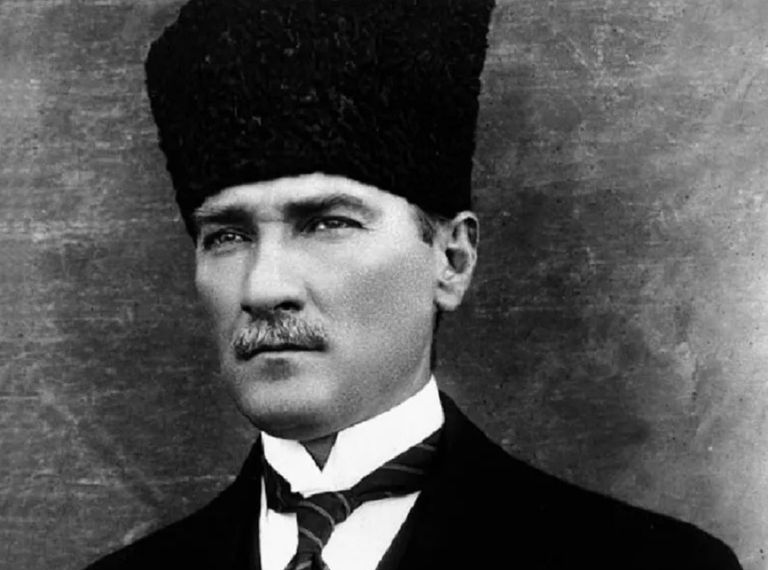
April 23 is National Sovereignty and Children’s Day in Turkey and this year is a special occasion – the 100th anniversary of the foundation of the modern Turkish state. Sputnik looks at the events of 1920 and how Kemal Ataturk created a nation out of the ashes of the Ottoman Empire.

On 23 April 1920 the Turkish Grand National Assembly was inaugurated in Ankara and Mustafa Kemal, a senior army officer and hero of the Battle of Gallipoli, said: “There will not be any power above the assembly.”

Kemal, who would later found the Republic of Turkey and be given the name Ataturk (Father of the Turks), wanted to modernise the country and shake off all the antiquated rituals which he felt had led to the Ottoman Empire being on the losing side in the First World War.

Mehmed VI, who would be the last Sultan of the Ottoman Empire, had lambasted Mustafa Kemal and his supporters as “rebels” and “Bolsheviks” and had got a loyal imam to issue a fatwa against them.

But on 24 April 1920 Ataturk – who would become Turkey’s first President in 1923 – made a speech in which he said: “We, your deputies, swear in the name of God and the Prophet that the claim that we are rebels against the sultan and the caliph is a lie.”

The Rise and Fall of the Ottoman Empire

The Ottoman Empire was created in 1453 when it took Constantinople and over the next 200 years it conquered a vast swathe of south-eastern Europe, North Africa and the Middle East, but failed to take Vienna in 1683 and by the start of the 19th century had began a long and very slow decline.

By the 1860s the Ottoman Empire had been dubbed the “sick man of Europe” in the British press and by the time the First World War broke out it had lost most of its territory in Europe but held on to vast swathes of the Middle East.

The Ottoman Empire sided with Germany in the First World War and when Sultan Mehmed V died in July 1918 his son Sultan, Mehmed VI, inherited the throne only to find himself on the losing side when the Armistice was signed in November.

View image on Twitter

Mehmed VI came under pressure to sign the Treaty of Sèvres, which was even harsher to the Turks than the Treaty of Versailles was on Germany – not only would the Ottoman Empire lose all its territory in the Middle East but it would also lose chunks of the Anatolian heartland.

The treaty proposed creating a large Armenian state in the east, centred around Erzurum, granting Greece a large slab of territory around Smyrna (modern day Izmir) and also transferring land in south-eastern Anatolia to the French mandate of Syria.

Italy would also be gifted Rhodes and the other Dodecanese islands and would be given a “zone of influence” in south-western Turkey.

Sultan Accepted Treaty, But Ataturk Refused

The treaty outraged Ataturk and most other Turks. The Ottoman Empire had lost more than 700,000 men during the First World War and Ataturk felt it was an insult to their memory for Anatolia to be carved up like a roast chicken.

When Sultan Mehmed VI went ahead and signed the treaty in August 1920 it sealed his fate.

He tried to hang on to power in Constantinople – which would later be renamed Istanbul –  and sought the protection of the British and French who, having won the Great War, were throwing their weight around in the eastern Mediterranean.

King Constantine of Greece and his right-wing prime minister Dimtrious Gounaris thought Turkey was vulnerable and weak and, encouraged by British Prime Minister David Lloyd-George, they sent troops deep into central Anatolia in the hope of carving out a Greater Greece.

Ataturk showed his military prowess during the Greco-Turkish War and decisively defeated the Greek troops in the summer of 1922.

The Greek army fled Anatolia and tens of thousands of ethnic Greeks – many of whom had lived in Turkey for centuries – went with them.

In November 1922 the Grand National Assembly abolished the sultanate and Sultan Mehmed VI fled into exile on a British warship, his reputation in tatters.
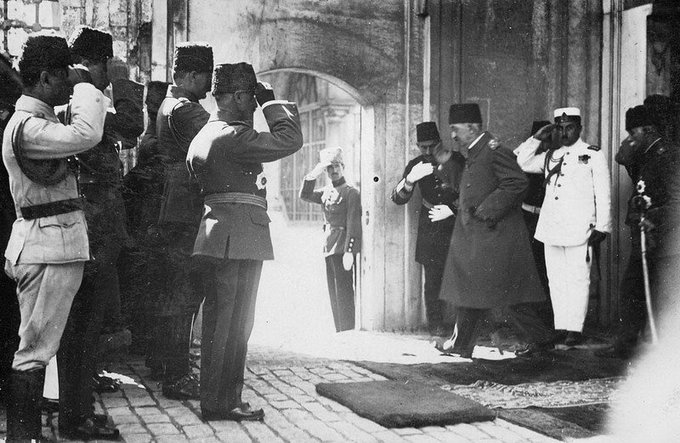
View image on Twitter

A triumphant and emboldened Ataturk declared the Republic (Cumhurriyet) of Turkey in 1923 and also forced the British, French and Italians to tear up the Treaty of Sèvres and negotiate a new deal.

The Treaty of Lausanne – signed in July 1923 – rejected all other nations’ claims to Anatolia, including the idea of Armenian state in the east. The boundaries were identical with those of modern-day Turkey, with the exception of Hatay province, which joined Turkey in 1939 after a referendum.

With Turkey’s borders secure, Ataturk set about transforming the country between 1923 and his death in 1938.
The main tenets of his Cumhuriyet Halk Partisi (CHP) or Republican People’s Party were modernisation and secularism.

In October 1923 the capital was moved from Constantinople to Ankara, which was more central and strategically less vulnerable.
In 1928, after 1,000 years of using the Arabic alphabet, Turks switched over to using a latin alphabet with a few extra letters like ğ and ş.

Ataturk also outlawed the wearing of the fez in 1925 and encouraged Turks to wear western-style clothes.

Modernity Means Surnames

In 1934 he even introduced a law forcing all Turks to adopt surnames, something which had not been common up until the 1920s.

Many Turkish men chose masculine-sounding surnames like Yilmaz (Uncowed), Demir (Iron) and Çelik (Steel).
Ataturk’s closest ally, Ismet Inönü – who succeeded him as President in 1938 – took his new surname from the battlefield on which he had fought the Greeks in 1921.

Inönü kept Turkey out of the Second World War and, apart from the invasion of Cyprus in 1974, the country stayed largely out of the headlines until Recep Tayyip Erdoğan came to power after the 2002 general election.

Although Erdoğan defeated the Kemalist CHP – which is now the main opposition party – he remains an admirer of Ataturk, a national hero whose face can be seen everywhere in Turkey.

But modern Turkey would not be what it was without the events of 23 April 1920 and that is why Ataturk turned it into a national holiday – National Sovereignty and Children’s Day.

As for the Osmanoğlu family which had ruled over the Turks since 1299 – Sultan Mehmed VI died in exile in Italy in 1926 and although most of the family was allowed to return to Turkey in 1974, the man who would be Sultan, Dündar Ali Osman, now aged 89, still lives in Damascus./sputniknews
Related Posts

ENGLISH

Rama, Vučić, Zelensky: Where Is Albania’s National Interest?

20 August, 2026
ENGLISH

Belgrade, Zelensky and the Consulates! The European Pact takes water! Drone in Leipzig and hybrid war! Why a  ceasefire is needed in September

20 August, 2026
Current Events

The Delayed Awakening: Realpolitik and the Structural Causes of European Stagnation

20 August, 2026

Follow US

Subscribe

Receive Argumentum Magazine by Email

Last Posts

Rama, Vučić, Zelensky: Where Is Albania’s National Interest?

20 August, 2026

Belgrade, Zelensky and the Consulates! The European Pact takes water! Drone in Leipzig and hybrid war! Why a  ceasefire is needed in September

20 August, 2026

The Delayed Awakening: Realpolitik and the Structural Causes of European Stagnation

20 August, 2026

The Digital Pandemic of Ridicule

20 August, 2026

Democracy Cannot Be Governed by Noise

19 August, 2026
Argumentum

“Argumentum”, një proces intelektual …

Contact Us

[email protected]
[email protected]
[email protected]

Follow Us

Media Partner

Register

Receive Argumentum Magazine by Email
  • Home
  • Privacy Policy
  • About Us
  • Contact

© 2022 Argumentum. All Rights Reserved. | NUIS: L91415033Q

Welcome Back!

Login to your account below

Forgotten Password? Sign Up

Create New Account!

Fill the forms bellow to register

*By registering into our website, you agree to the Terms & Conditions and Privacy Policy.
All fields are required. Log In

Retrieve your password

Please enter your username or email address to reset your password.

Log In

Add New Playlist

No Result
View All Result
  • Home
  • OP/ED
  • Interview
  • Realpolitik
  • Current Events
  • Top News
  • YOUR VOICE
  • Shqip

© 2022 Argumentum. All Rights Reserved. | NUIS: L91415033Q

This website uses cookies. By continuing to use this website you are giving consent to cookies being used. Visit our Privacy and Cookie Policy.