


















• SHQIPËRI
  • KOSOVË
  • MAQEDONIA E VERIUT
  • MALI I ZI
  • Revista në PDF
19 August, 2026
  • Home
  • OP/ED

    Between Political Calculation and Retreat: Croatian Communists at the End of an Era

    The West is buying time, but to whom is it giving it?

    27 July 1941 – A Site of Memory Between War, Revolution and Europe

    The cult of Saint Veneranda / Saint Pren(d)a / Saint Premte / Saint Paraskeva among Albanians

    The Self-Inflicted Decoupling: How U.S. Immigration Policy Is Ceding the Tech Edge to China

    The Blueprint Does Not Stop at the Drina

    The Underlying Logic behind China’s Economic Success

    Do Not Misuse the U.S. Declaration of Independence to Justify the Narrative of Insurrection in Albania

    The visit that changed Albania’s strategic future

  • Interview

    Exclusive Interview with Oleksandr Tyshchenko: A 40-Year Legacy of Chernobyl, Nuclear Risks, and Global Responsibility

    INTERVIEW: ZLATKO KRAMARIĆ – THOUGHTS ON THE OLD CONTINENT

    EXCLUSIVE / Ukrainian Ambassador to Albania, Volodymyr Shkurov: “Ukraine wants peace, but not at the expense of its freedom and independence”

    EXCLUSIVE| Ambassador Tayyar Kagan Atay: Türkiye and Albania, a Strategic Partnership Rooted in Shared Heritage and a Common Vision for the Future

    “Diplomacy, Not War”: Palestinian Ambassador to Albania Calls for Justice, Peace, and Global Action for Gaza

    Exclusive: “Even After Tito – Tito”/ Ambassador Zlatko Kramarić on Authoritarian Legacies and Democracy’s Future in the Balkans

    The Conclusion of the Diplomatic Mission / Ambassador Dancho Markovski: Strengthening Albania-North Macedonia Relations for a Shared European Future

    A Century of Diplomatic Relations Between Albania and Russia: Exclusive Interview with the Russian Ambassador to Albania, H.E. Alexey Zaytsev

    Exclusive/ The chairman of the Freedom Party, Ilir Meta: “The will of the citizens will triumph in Albania, as it did in North Macedonia”

  • Realpolitik

    The Summit of Unity! Think of peace and prepare for war! It’s only the start to the end! Just a pause between two wars!

    Peace with war diplomacy! The protest,  image and tourism! Why this silence from the EU Commission and Council? A deal or a pause?

    Just kind words  in Tivat! Where is the peace!? A deal yes, peace No!What is happening with USA and  EU?  5 elections but no solution!

    IBAR? ”Sufficiently! Much ado about nothing! Shart contrasts in Beijing! Where is the exit?!

    Neither peace nor war! Peace with bombs?! IBAR in autumn?! Not another Hormuz in Taivan! 

    IBAR – a springing board or an obstacle? Can we catch the EU Negotiation train 2027? When the dress makes the news!  EU electoral April  ends in a draw 1:1!  

    The European Parliament building in Strasbourg, France with flags waving calmly celebrating peace of the Europe. July 12, 2020.

    EU 2027 or 2037! Even half membership failed! No exit strategy!     

    What next?

    “With diplomatic velvet“! Major question marks! In Washington yes, but  in the White House NO! A strange dinner in Brussels!

  • Current Events

    Democracy Cannot Be Governed by Noise

    Council of Albanian Ambassadors Raises Concern Over Serbian Plan to Alter the Ibër River

    Digitalisation in the modern era as a “Trojan horse” for hybrid warfare

    The four days that changed history

    Bury Those You Killed

    The Serbian Consulate in Shkodra: A Diplomatic Step or a Project with Political Implications?

    Chinese Embassy in Albania Marks PLA’s 99th Anniversary, Reaffirms Commitment to Peace and Bilateral Cooperation

    Croatian Foreign Minister’s Visit to Tirana/Albania and Croatia Strengthen Their Strategic Partnership as Zagreb Reaffirms Support for Albania’s European Union Membership

    Albanian Parliament Approves $302 Million U.S. Military Financing Loan, Opposition Boycotts Session

  • Top News

    Council of Albanian Ambassadors Raises Concern Over Serbian Plan to Alter the Ibër River

    Rama: Foreign Information Manipulation Has Become One of the Greatest Threats to Democracy and European Security

    The Council of Albanian Ambassadors condemns chauvinistic rhetoric by Serbian officials and calls for diplomatic action

    NATO at Ankara 2026: Strategic Rebalancing Between Russia Deterrence, Turkey’s Rise, and National Interests

    Daniel Serwer: A Bad War Ending Badly May Still Be Good News

    Friedrich Merz, Keir Starmer, António Costa, Donald Trump, Emmanuel Macron, Mark Carney, Ursula von der Leyen, Giorgia Meloni and Sanae Takaichi

    G7 Leaders Gather in Évian Amid Global Uncertainty, Focus on Security, Economy and International Cooperation

    Russian Ambassador in Tirana: “Without a Strong and Sovereign Russia, the Creation of a Just World Order Is Impossible”

    “The Flamingo Revolution”: Day 10 of Protests in Albania Draws International Attention

    Rama alleges ‘hybrid war’ behind protests against Kushner-linked coastal development

  • YOUR VOICE
  • Shqip
No Result
View All Result
Argumentum
  • Home
  • OP/ED

    Between Political Calculation and Retreat: Croatian Communists at the End of an Era

    The West is buying time, but to whom is it giving it?

    27 July 1941 – A Site of Memory Between War, Revolution and Europe

    The cult of Saint Veneranda / Saint Pren(d)a / Saint Premte / Saint Paraskeva among Albanians

    The Self-Inflicted Decoupling: How U.S. Immigration Policy Is Ceding the Tech Edge to China

    The Blueprint Does Not Stop at the Drina

    The Underlying Logic behind China’s Economic Success

    Do Not Misuse the U.S. Declaration of Independence to Justify the Narrative of Insurrection in Albania

    The visit that changed Albania’s strategic future

  • Interview

    Exclusive Interview with Oleksandr Tyshchenko: A 40-Year Legacy of Chernobyl, Nuclear Risks, and Global Responsibility

    INTERVIEW: ZLATKO KRAMARIĆ – THOUGHTS ON THE OLD CONTINENT

    EXCLUSIVE / Ukrainian Ambassador to Albania, Volodymyr Shkurov: “Ukraine wants peace, but not at the expense of its freedom and independence”

    EXCLUSIVE| Ambassador Tayyar Kagan Atay: Türkiye and Albania, a Strategic Partnership Rooted in Shared Heritage and a Common Vision for the Future

    “Diplomacy, Not War”: Palestinian Ambassador to Albania Calls for Justice, Peace, and Global Action for Gaza

    Exclusive: “Even After Tito – Tito”/ Ambassador Zlatko Kramarić on Authoritarian Legacies and Democracy’s Future in the Balkans

    The Conclusion of the Diplomatic Mission / Ambassador Dancho Markovski: Strengthening Albania-North Macedonia Relations for a Shared European Future

    A Century of Diplomatic Relations Between Albania and Russia: Exclusive Interview with the Russian Ambassador to Albania, H.E. Alexey Zaytsev

    Exclusive/ The chairman of the Freedom Party, Ilir Meta: “The will of the citizens will triumph in Albania, as it did in North Macedonia”

  • Realpolitik

    The Summit of Unity! Think of peace and prepare for war! It’s only the start to the end! Just a pause between two wars!

    Peace with war diplomacy! The protest,  image and tourism! Why this silence from the EU Commission and Council? A deal or a pause?

    Just kind words  in Tivat! Where is the peace!? A deal yes, peace No!What is happening with USA and  EU?  5 elections but no solution!

    IBAR? ”Sufficiently! Much ado about nothing! Shart contrasts in Beijing! Where is the exit?!

    Neither peace nor war! Peace with bombs?! IBAR in autumn?! Not another Hormuz in Taivan! 

    IBAR – a springing board or an obstacle? Can we catch the EU Negotiation train 2027? When the dress makes the news!  EU electoral April  ends in a draw 1:1!  

    The European Parliament building in Strasbourg, France with flags waving calmly celebrating peace of the Europe. July 12, 2020.

    EU 2027 or 2037! Even half membership failed! No exit strategy!     

    What next?

    “With diplomatic velvet“! Major question marks! In Washington yes, but  in the White House NO! A strange dinner in Brussels!

  • Current Events

    Democracy Cannot Be Governed by Noise

    Council of Albanian Ambassadors Raises Concern Over Serbian Plan to Alter the Ibër River

    Digitalisation in the modern era as a “Trojan horse” for hybrid warfare

    The four days that changed history

    Bury Those You Killed

    The Serbian Consulate in Shkodra: A Diplomatic Step or a Project with Political Implications?

    Chinese Embassy in Albania Marks PLA’s 99th Anniversary, Reaffirms Commitment to Peace and Bilateral Cooperation

    Croatian Foreign Minister’s Visit to Tirana/Albania and Croatia Strengthen Their Strategic Partnership as Zagreb Reaffirms Support for Albania’s European Union Membership

    Albanian Parliament Approves $302 Million U.S. Military Financing Loan, Opposition Boycotts Session

  • Top News

    Council of Albanian Ambassadors Raises Concern Over Serbian Plan to Alter the Ibër River

    Rama: Foreign Information Manipulation Has Become One of the Greatest Threats to Democracy and European Security

    The Council of Albanian Ambassadors condemns chauvinistic rhetoric by Serbian officials and calls for diplomatic action

    NATO at Ankara 2026: Strategic Rebalancing Between Russia Deterrence, Turkey’s Rise, and National Interests

    Daniel Serwer: A Bad War Ending Badly May Still Be Good News

    Friedrich Merz, Keir Starmer, António Costa, Donald Trump, Emmanuel Macron, Mark Carney, Ursula von der Leyen, Giorgia Meloni and Sanae Takaichi

    G7 Leaders Gather in Évian Amid Global Uncertainty, Focus on Security, Economy and International Cooperation

    Russian Ambassador in Tirana: “Without a Strong and Sovereign Russia, the Creation of a Just World Order Is Impossible”

    “The Flamingo Revolution”: Day 10 of Protests in Albania Draws International Attention

    Rama alleges ‘hybrid war’ behind protests against Kushner-linked coastal development

  • YOUR VOICE
  • Shqip
No Result
View All Result
Argumentum
No Result
View All Result
Home ENGLISH

The Dayton letter and spirit: Key to peace and stability in Bosnia and Herzegovina

14 December, 2025
in ENGLISH, In Focus
A A
Share on FacebookShare on Twitter

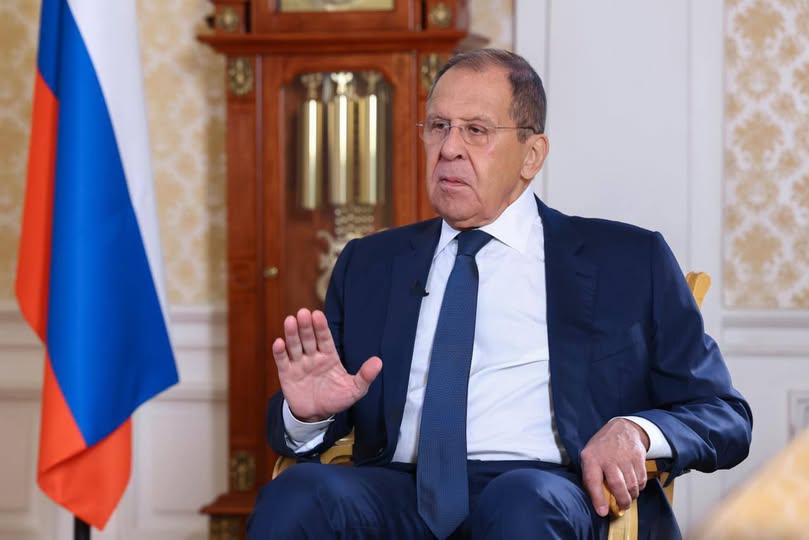
Article by Foreign Minister Sergey Lavrov for Serbian newspaper Politika ahead of the 30th anniversary of Dayton Peace Agreement, December 14, 2025

Thirty years ago today, on December 14, 1995, the General Framework Agreement for Peace in Bosnia and Herzegovina, which put an end to a devastating armed conflict, was signed in Paris. It was initialled in Dayton, Ohio, which is why it is widely known as the Dayton Agreement.

To this day, the echoes of this fratricidal civil strife resonate with pain in the hearts of those who lost their homes and their loved ones. The war claimed over 100,000 lives and forced more than two million people to flee their homes. We mourn the numerous victims, regardless of their national, ethnic, or religious affiliation. The ongoing tensions in interethnic and inter-religious relations reflect the tragic past. A significant portion of Bosnia and Herzegovina (BiH) remains a minefield, and innocent people continue to die.

The Dayton Agreement was not a cure-all for every problem or difference that engulfed Bosnian society shortly after the breakup of the former Yugoslavia. It can be mostly credited with the fact that it stopped the bloodshed and made peaceful life possible again.

At the same time, Dayton came as a result of both painstaking international mediation efforts and difficult, determined compromises by the leaders of the warring sides. By making serious concessions, they gained far more – peace and hope for a prosperous future – in return. This approach, which includes achieving mutually acceptable consensus-based solutions, embodies the spirit of Dayton.

The agreement, which laid the foundation for the BiH statehood, enshrined the fundamental principles of equality among the three constituent peoples (Bosniaks, Serbs, and Croats) and the two entities – Republika Srpska (RS) and the Federation of BiH – each enjoying broad constitutional powers. The spheres of competence between different levels of government were neatly defined, and the autonomy of the entities was guaranteed within a strongly decentralised administrative and institutional architecture. A carefully balanced system of checks and balances providing for major nationwide decisions to be taken exclusively on the basis of consensus and compromise among the three Bosnian sides remains at the core of their peaceful coexistence.

As a witness to the signing of the General Framework Agreement for Peace in Bosnia and Herzegovina, the Russian Federation became one of its international guarantors entrusted with upholding the Dayton principles.

Leading Western countries partnered to ensure Dayton’s implementation and promoting post-conflict settlement. However, driven by self-interest, they almost immediately started pursuing a course aimed at breaking the Dayton structure down. Fierce opposition in Western capitals arose in response to Republika Srpska’s consistent defence of its legitimate rights and special autonomous status, as well as its resistance to plans to drag Bosnia and Herzegovina into NATO against the will of its peoples. The RS capital, Banja Luka, has employed and continues to employ exclusively the mechanisms provided by the Peace Agreement. Meanwhile, the West launched a multi-tiered campaign against the Serbs, aiming to restructure the country through unitarisation and by stripping Serbs and Croats of their Dayton-granted rights.

Under the pretext of ensuring the functionality of the BiH state apparatus, a “civic concept” is being imposed on it, which is intended to water down the identity of the constituent peoples. The real goal is to create circumstances under which political elites from only one of the three peoples could freely implement an externally dictated agenda to the detriment of the interests of the other Bosnian parties. Such ventures have profoundly negative implications for the region. That reminds me of the fact that unilateral declaration of independence by the Republic of Bosnia and Herzegovina in circumvention of the Bosnian Serbs’ opinion triggered the civil war.

The Office of the High Representative was among the principal sources of instability in Bosnia and Herzegovina. Initially designed as an auxiliary mechanism of international oversight over civilian aspects of the settlement, it gradually became a puppet body, allowing Western powers to interfere almost without constraints in BiH’s internal affairs. Instead of its direct Dayton function, which is to facilitate dialogue among the Bosnian parties, the High Representatives, all of them representing the Western community, are wreaking legal havoc in a sovereign state. They deliberately provoke domestic political turbulence to justify the need for continued external control over BiH. Meanwhile, responsibility for the crisis is baselessly shifted onto Republika Srpska.

They came out in true colours after the secret “appointment” of retired German politician Christian Schmidt as High Representative which took place even without attempting to maintain the appearance of legality in violation of every procedure in the book. This is very much in the spirit of the infamous rules-based order. Legally void “resolutions” by the self-appointed High Representative, who lacks a UN Security Council mandate, contradict democratic principles and cause irreparable damage to intra-Bosnian dialogue.

There’s no doubt that the immediate and unconditional closure of the High Representative’s Office is the first step towards normalisation in Bosnia and Herzegovina. This much was clear 20 years ago when the international community made a principled decision to this end in 2006. In the 21st century, the existence of such a colonial tool in a sovereign UN member state is inconceivable. It’s high time for the peoples of BiH to gain true sovereignty and independence, and to determine their own future and the future of their state. Western actors oppose the abolition of external governance as best they can.

Moreover, in an attempt to bypass the key role of the UN Security Council in stabilisation processes in BiH, the West continuously seeks to privatise the settlement issue, creating “monitoring” formats that are alternative to the UN Security Council and dampen dissenting voices.

What is happening in Bosnia and Herzegovina is by no means an isolated example of disregard for international law. Similar cases include the Kiev regime and its European patrons in Berlin and Paris blocking the implementation of the Minsk Package of Measures approved by the UN Security Council.

For many years now, Western patrons of Pristina have been ignoring the provisions of UN Security Council Resolution 1244, which is basic to Kosovo settlement and guarantees Serbia’s territorial integrity. By unilaterally recognising the self-declared “independence” of Kosovo, they continue to encourage mayhem perpetrated by the Pristina government, including steps to form an illegal Kosovo-Albanian “army.” They initiate military alliances in which Pristina participates on equal footing with sovereign states, creating dangerous dynamics in military buildup and shifting the balance of power in the Balkans. This also constitutes a direct violation of Dayton agreements, primarily those set out in Annex 1-A On the Military Aspects of the Peace Settlement and Annex 1-B On Regional Stabilisation.

We are convinced that only on the international – Dayton – legal platform can durable interethnic reconciliation in Bosnia and Herzegovina be achieved, ensuring stability in the Balkans at large. Any changes to Dayton Accords can only be made on the basis of consensual decisions independently adopted by all peoples of Bosnia and Herzegovina through mutually respectful dialogue, without external interference and strictly in accordance with established constitutional procedures.

As a permanent member of the UN Security Council and a responsible participant in the Bosnian settlement, Russia consistently and firmly supports the Dayton Agreement and its core principles of equality among the three constituent peoples and the two entities with broad practical powers. We call on both the international community and the Bosnian parties to uphold Dayton in the interest of successful and sustainable development of Bosnia and Herzegovina, its entities, and prosperity and well-being of all its citizens, as well as robust security in the Balkans

/Argumentum.al
Related Posts

Current Events

Democracy Cannot Be Governed by Noise

19 August, 2026
ENGLISH

In Search of Lost Childhood and Land [1]

17 August, 2026
ENGLISH

The Ibar River Should Carry Water, Not Nationalist Politics

12 August, 2026

Follow US

Subscribe

Receive Argumentum Magazine by Email

Last Posts

Democracy Cannot Be Governed by Noise

19 August, 2026

In Search of Lost Childhood and Land [1]

17 August, 2026

The Ibar River Should Carry Water, Not Nationalist Politics

12 August, 2026

Between Political Calculation and Retreat: Croatian Communists at the End of an Era

10 August, 2026

The West is buying time, but to whom is it giving it?

10 August, 2026
Argumentum

“Argumentum”, një proces intelektual …

Contact Us

[email protected]
[email protected]
[email protected]

Follow Us

Media Partner

Register

Receive Argumentum Magazine by Email
  • Home
  • Privacy Policy
  • About Us
  • Contact

© 2022 Argumentum. All Rights Reserved. | NUIS: L91415033Q

Welcome Back!

Login to your account below

Forgotten Password? Sign Up

Create New Account!

Fill the forms bellow to register

*By registering into our website, you agree to the Terms & Conditions and Privacy Policy.
All fields are required. Log In

Retrieve your password

Please enter your username or email address to reset your password.

Log In

Add New Playlist

No Result
View All Result
  • Home
  • OP/ED
  • Interview
  • Realpolitik
  • Current Events
  • Top News
  • YOUR VOICE
  • Shqip

© 2022 Argumentum. All Rights Reserved. | NUIS: L91415033Q

This website uses cookies. By continuing to use this website you are giving consent to cookies being used. Visit our Privacy and Cookie Policy.