






































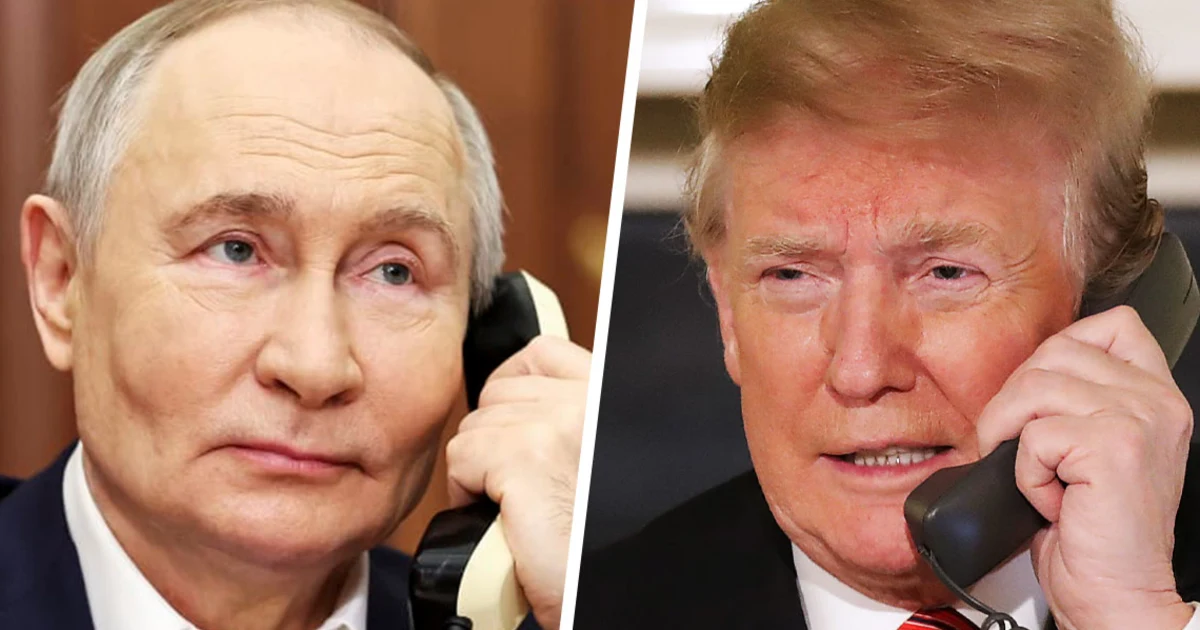
U.S. President Donald Trump says Russian President Vladimir Putin has agreed to release large quantities of diesel fuel into U.S. and global markets, as Washington seeks to ease rising energy costs amid the war with Iran.
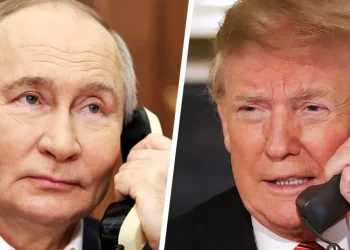
President Donald Trump said on Friday, October 9, that Russia would immediately supply more than 300,000 tons of diesel fuel to the American and global marketplace following a phone call with Russian President Vladimir Putin.
In a post on Truth Social, Trump said Russia would provide an additional 500,000 tons during November, followed by another one million tons thereafter. He presented the move as an effort to increase supplies and help bring down fuel prices.
The announcement comes as energy markets face mounting pressure from the war with Iran, raising concerns about supply disruptions and the cost of fuel for households and businesses.
U.S. Treasury Authorizes Russian Diesel Transactions
The U.S. Treasury Department’s Office of Foreign Assets Control (OFAC) issued General License 135 on the same day, authorizing certain transactions involving the sale and importation of Russian-origin diesel, including into the United States, until April 7, 2027.
The authorization marks a temporary easing of restrictions affecting Russian energy products. Since Moscow launched its full-scale invasion of Ukraine in February 2022, the United States and its partners have imposed successive rounds of sanctions aimed at limiting Russia’s revenues and its ability to finance the war.
The latest move highlights the tension between Washington’s efforts to contain energy prices and its broader strategy of maintaining economic pressure on Moscow.
While additional supplies could help ease pressure on fuel markets, the actual impact will depend on whether the announced shipments materialize, how quickly they reach buyers, and how the conflict in the Middle East affects global energy flows.
Energy Security and the War in Ukraine
The announcement also comes as U.S., Ukrainian and European officials prepare for talks in Miami in a renewed diplomatic effort to end Russia’s war against Ukraine.
Russia continues to occupy roughly one-fifth of Ukrainian territory, making the conflict a central issue in relations between Moscow and Western governments.
Allowing additional Russian diesel to reach international markets could help increase fuel availability, but it also raises questions about the potential revenue Moscow may receive from energy sales while Western sanctions remain in place.
For Washington, the challenge is to balance immediate energy needs with its commitment to supporting Ukraine and limiting Russia’s economic resources.
Fuel Prices and Domestic Political Pressure
Trump’s announcement comes weeks before the November 3 U.S. midterm elections, with Republicans seeking to maintain their control of Congress. Rising living costs and fuel prices remain important concerns for American consumers and businesses.
Increasing fuel supplies may help ease some of the pressure on transportation, agriculture and other energy-dependent sectors. However, the announcement alone does not guarantee lower prices, which will also depend on market conditions and the duration of the conflict with Iran.
The agreement announced by Trump underscores how energy security, geopolitical competition and domestic economic pressures are increasingly intertwined in U.S. foreign policy.
© 2026 Argumentum