



• SHQIPËRI
  • KOSOVË
  • MAQEDONIA E VERIUT
  • MALI I ZI
  • Revista në PDF
29 June, 2026
  • Home
  • OP/ED

    The visit that changed Albania’s strategic future

    Pierre Nora and the institution of memory we lack in Eastern Europe

    The Blueprint of a Diplomatic Debacle: Analyzing Germany’s Historic UNSC Loss

    Between Russia, Iran and Europe: Azerbaijan as a balancing power in the South Caucasus

    The Zero-Tariff Gate: Sovereignty as a Service in the Sino-African Corridor

    Albania vs. the Sea/ Marginal Notes on A. Leka’s Novel The Hidden Side of the Albanian Socialist Garden

    May 9 and the long shadow of a Letter: Is Europe still Schuman’s Project?

    The Arbnesh of Zadar: A living memory of Albanian identity on the Adriatic coast

    Science Diplomacy and Academic Freedom: A strategic nexus for contemporary diplomacy

  • Interview

    Exclusive Interview with Oleksandr Tyshchenko: A 40-Year Legacy of Chernobyl, Nuclear Risks, and Global Responsibility

    INTERVIEW: ZLATKO KRAMARIĆ – THOUGHTS ON THE OLD CONTINENT

    EXCLUSIVE / Ukrainian Ambassador to Albania, Volodymyr Shkurov: “Ukraine wants peace, but not at the expense of its freedom and independence”

    EXCLUSIVE| Ambassador Tayyar Kagan Atay: Türkiye and Albania, a Strategic Partnership Rooted in Shared Heritage and a Common Vision for the Future

    “Diplomacy, Not War”: Palestinian Ambassador to Albania Calls for Justice, Peace, and Global Action for Gaza

    Exclusive: “Even After Tito – Tito”/ Ambassador Zlatko Kramarić on Authoritarian Legacies and Democracy’s Future in the Balkans

    The Conclusion of the Diplomatic Mission / Ambassador Dancho Markovski: Strengthening Albania-North Macedonia Relations for a Shared European Future

    A Century of Diplomatic Relations Between Albania and Russia: Exclusive Interview with the Russian Ambassador to Albania, H.E. Alexey Zaytsev

    Exclusive/ The chairman of the Freedom Party, Ilir Meta: “The will of the citizens will triumph in Albania, as it did in North Macedonia”

  • Realpolitik

    Just kind words  in Tivat! Where is the peace!? A deal yes, peace No!What is happening with USA and  EU?  5 elections but no solution!

    IBAR? ”Sufficiently! Much ado about nothing! Shart contrasts in Beijing! Where is the exit?!

    Neither peace nor war! Peace with bombs?! IBAR in autumn?! Not another Hormuz in Taivan! 

    IBAR – a springing board or an obstacle? Can we catch the EU Negotiation train 2027? When the dress makes the news!  EU electoral April  ends in a draw 1:1!  

    The European Parliament building in Strasbourg, France with flags waving calmly celebrating peace of the Europe. July 12, 2020.

    EU 2027 or 2037! Even half membership failed! No exit strategy!     

    What next?

    “With diplomatic velvet“! Major question marks! In Washington yes, but  in the White House NO! A strange dinner in Brussels!

    From a great ‘apple of disaccord’ to a  point of  cooperation! A bad start! The strange absence in Davos!

    5 lessons from the American 3 January! Don’t count the chicken before they are hatched! Will NATO freeze in Greenland? Wrong diplomatic messages!

  • Current Events

    The Paradox of Selective Capitalism: How Western Rule-Breaking Accelerates Its Own Systemic Demise

    A prestigious book on an emblem of Turkish state!

    The Diplomacy of Gas and Algorithms: The Nuances of Official Tirana—Is It Breaking the European Taboo with Azerbaijan?

    Council of Albanian Ambassadors Backs Civic Protests, Calls for Transparency and Protection of National Interests

    Russian Ambassador in Tirana: “Without a Strong and Sovereign Russia, the Creation of a Just World Order Is Impossible”

    EU-Western Balkans Summit 2026: New Impetus for the Enlargement Debate?

    “The Flamingo Revolution”: Day 10 of Protests in Albania Draws International Attention

    Rama alleges ‘hybrid war’ behind protests against Kushner-linked coastal development

    BELGRADE, SERBIA - JUNE 18. 2020: Russian and Serbian flags on display during Russian Foreign Minister Sergei Lavrov's visit to the Liberators of Belgrade Memorial. Valery Sharifulin/TASS,Image: 533095429, License: Rights-managed, Restrictions: UWAGA! Zdjęcia zawierają oryginalny opis dostawcy (ITAR-TASS). Szczególnie w związku z agresją Rosji na Ukrainę mogą zawierać przekaz niezgodny z faktami. Zweryfikuj go przed publikacją, Model Release: no, Credit line: Valery Sharifulin / TASS / Forum

    Balkan Maskirovka: Why Moscow’s “Distancing” Is Only an Operation for the Survival of Vučić’s Regime

  • Top News

    Daniel Serwer: A Bad War Ending Badly May Still Be Good News

    Friedrich Merz, Keir Starmer, António Costa, Donald Trump, Emmanuel Macron, Mark Carney, Ursula von der Leyen, Giorgia Meloni and Sanae Takaichi

    G7 Leaders Gather in Évian Amid Global Uncertainty, Focus on Security, Economy and International Cooperation

    Russian Ambassador in Tirana: “Without a Strong and Sovereign Russia, the Creation of a Just World Order Is Impossible”

    “The Flamingo Revolution”: Day 10 of Protests in Albania Draws International Attention

    Rama alleges ‘hybrid war’ behind protests against Kushner-linked coastal development

    No End in Sight: Trump, Netanyahu and the Expanding Middle East War

    Tirana – €20 Million EU–Banking Agreement Boosts Albanian SMEs

    “EU4Municipalities II” Project, a Strategic Investment for Strengthening Municipalities and Accelerating Albania’s Path towards the EU

    Albania, Italy deepen defence ties with naval shipbuilding deal

  • YOUR VOICE
  • Shqip
No Result
View All Result
Argumentum
  • Home
  • OP/ED

    The visit that changed Albania’s strategic future

    Pierre Nora and the institution of memory we lack in Eastern Europe

    The Blueprint of a Diplomatic Debacle: Analyzing Germany’s Historic UNSC Loss

    Between Russia, Iran and Europe: Azerbaijan as a balancing power in the South Caucasus

    The Zero-Tariff Gate: Sovereignty as a Service in the Sino-African Corridor

    Albania vs. the Sea/ Marginal Notes on A. Leka’s Novel The Hidden Side of the Albanian Socialist Garden

    May 9 and the long shadow of a Letter: Is Europe still Schuman’s Project?

    The Arbnesh of Zadar: A living memory of Albanian identity on the Adriatic coast

    Science Diplomacy and Academic Freedom: A strategic nexus for contemporary diplomacy

  • Interview

    Exclusive Interview with Oleksandr Tyshchenko: A 40-Year Legacy of Chernobyl, Nuclear Risks, and Global Responsibility

    INTERVIEW: ZLATKO KRAMARIĆ – THOUGHTS ON THE OLD CONTINENT

    EXCLUSIVE / Ukrainian Ambassador to Albania, Volodymyr Shkurov: “Ukraine wants peace, but not at the expense of its freedom and independence”

    EXCLUSIVE| Ambassador Tayyar Kagan Atay: Türkiye and Albania, a Strategic Partnership Rooted in Shared Heritage and a Common Vision for the Future

    “Diplomacy, Not War”: Palestinian Ambassador to Albania Calls for Justice, Peace, and Global Action for Gaza

    Exclusive: “Even After Tito – Tito”/ Ambassador Zlatko Kramarić on Authoritarian Legacies and Democracy’s Future in the Balkans

    The Conclusion of the Diplomatic Mission / Ambassador Dancho Markovski: Strengthening Albania-North Macedonia Relations for a Shared European Future

    A Century of Diplomatic Relations Between Albania and Russia: Exclusive Interview with the Russian Ambassador to Albania, H.E. Alexey Zaytsev

    Exclusive/ The chairman of the Freedom Party, Ilir Meta: “The will of the citizens will triumph in Albania, as it did in North Macedonia”

  • Realpolitik

    Just kind words  in Tivat! Where is the peace!? A deal yes, peace No!What is happening with USA and  EU?  5 elections but no solution!

    IBAR? ”Sufficiently! Much ado about nothing! Shart contrasts in Beijing! Where is the exit?!

    Neither peace nor war! Peace with bombs?! IBAR in autumn?! Not another Hormuz in Taivan! 

    IBAR – a springing board or an obstacle? Can we catch the EU Negotiation train 2027? When the dress makes the news!  EU electoral April  ends in a draw 1:1!  

    The European Parliament building in Strasbourg, France with flags waving calmly celebrating peace of the Europe. July 12, 2020.

    EU 2027 or 2037! Even half membership failed! No exit strategy!     

    What next?

    “With diplomatic velvet“! Major question marks! In Washington yes, but  in the White House NO! A strange dinner in Brussels!

    From a great ‘apple of disaccord’ to a  point of  cooperation! A bad start! The strange absence in Davos!

    5 lessons from the American 3 January! Don’t count the chicken before they are hatched! Will NATO freeze in Greenland? Wrong diplomatic messages!

  • Current Events

    The Paradox of Selective Capitalism: How Western Rule-Breaking Accelerates Its Own Systemic Demise

    A prestigious book on an emblem of Turkish state!

    The Diplomacy of Gas and Algorithms: The Nuances of Official Tirana—Is It Breaking the European Taboo with Azerbaijan?

    Council of Albanian Ambassadors Backs Civic Protests, Calls for Transparency and Protection of National Interests

    Russian Ambassador in Tirana: “Without a Strong and Sovereign Russia, the Creation of a Just World Order Is Impossible”

    EU-Western Balkans Summit 2026: New Impetus for the Enlargement Debate?

    “The Flamingo Revolution”: Day 10 of Protests in Albania Draws International Attention

    Rama alleges ‘hybrid war’ behind protests against Kushner-linked coastal development

    BELGRADE, SERBIA - JUNE 18. 2020: Russian and Serbian flags on display during Russian Foreign Minister Sergei Lavrov's visit to the Liberators of Belgrade Memorial. Valery Sharifulin/TASS,Image: 533095429, License: Rights-managed, Restrictions: UWAGA! Zdjęcia zawierają oryginalny opis dostawcy (ITAR-TASS). Szczególnie w związku z agresją Rosji na Ukrainę mogą zawierać przekaz niezgodny z faktami. Zweryfikuj go przed publikacją, Model Release: no, Credit line: Valery Sharifulin / TASS / Forum

    Balkan Maskirovka: Why Moscow’s “Distancing” Is Only an Operation for the Survival of Vučić’s Regime

  • Top News

    Daniel Serwer: A Bad War Ending Badly May Still Be Good News

    Friedrich Merz, Keir Starmer, António Costa, Donald Trump, Emmanuel Macron, Mark Carney, Ursula von der Leyen, Giorgia Meloni and Sanae Takaichi

    G7 Leaders Gather in Évian Amid Global Uncertainty, Focus on Security, Economy and International Cooperation

    Russian Ambassador in Tirana: “Without a Strong and Sovereign Russia, the Creation of a Just World Order Is Impossible”

    “The Flamingo Revolution”: Day 10 of Protests in Albania Draws International Attention

    Rama alleges ‘hybrid war’ behind protests against Kushner-linked coastal development

    No End in Sight: Trump, Netanyahu and the Expanding Middle East War

    Tirana – €20 Million EU–Banking Agreement Boosts Albanian SMEs

    “EU4Municipalities II” Project, a Strategic Investment for Strengthening Municipalities and Accelerating Albania’s Path towards the EU

    Albania, Italy deepen defence ties with naval shipbuilding deal

  • YOUR VOICE
  • Shqip
No Result
View All Result
Argumentum
No Result
View All Result
Home ENGLISH

Arian Leka and the European Spirit: Sea, Isolation, and National Imagination in Post-Totalitarian Albania

1 December, 2025
in ENGLISH, English OP/ED
A A
Share on FacebookShare on Twitter

By Zlatko Kramarić*|ARGUMENTUM

Abstract

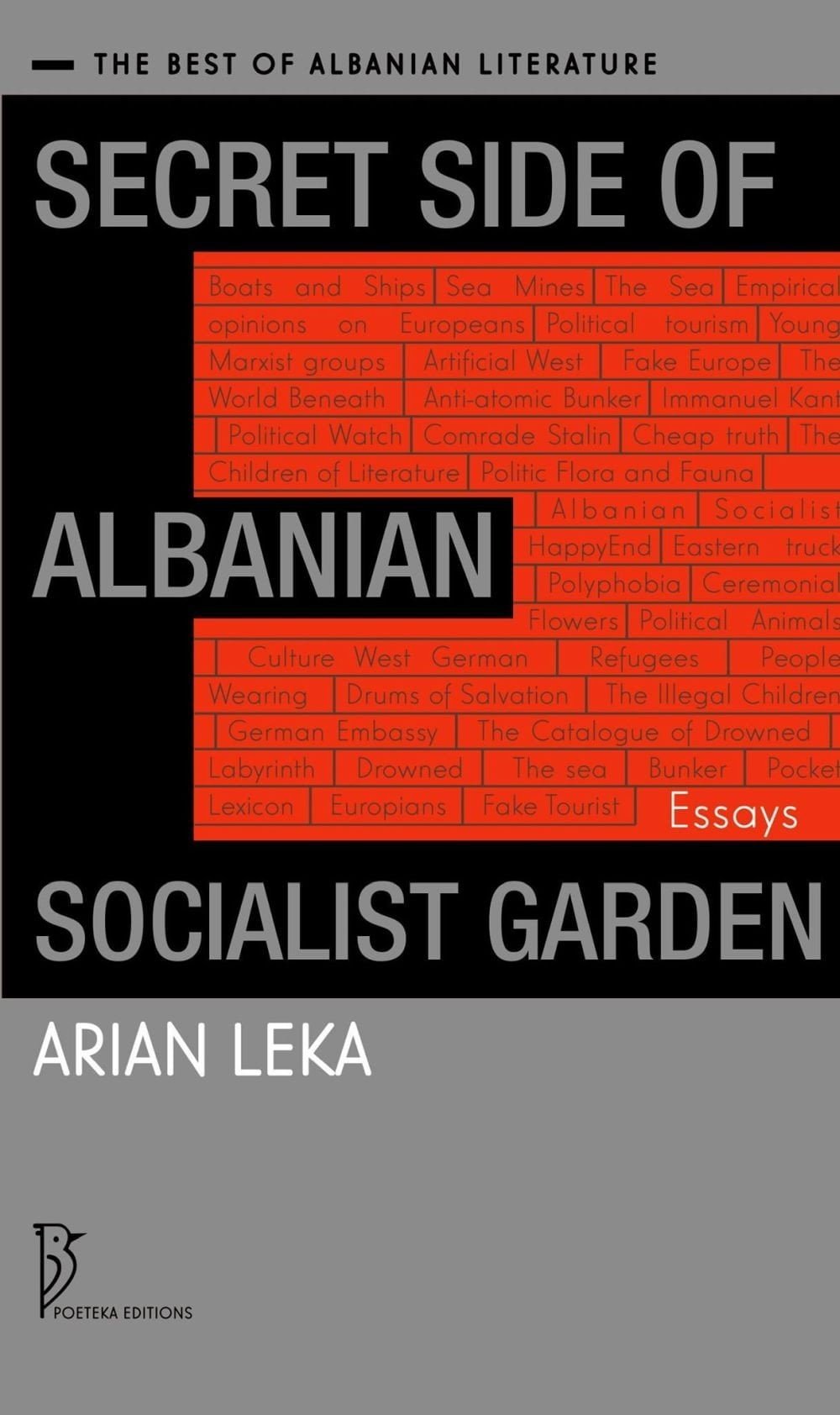
This study examines how Albanian essayist Arian Leka (The Secret Side of the Albanian Socialist Garden, Fraktura, 2025) conceptualizes the European spirit within the context of long-term Albanian nationalism, geographic and cultural isolation, and the fear-shaped mentality that informs Albanian identity. Particular attention is given to the motifs of the sea, cultural seclusion, censorship, the predominance of Russian literature, and Leka’s engagement with Croatian literature, especially Miroslav Krleža. The essay incorporates a comparative framework with Ismail Kadare and Fatos Kongoli, highlighting divergent Albanian literary interpretations of Europe and the European spirit

1. Introduction: Europe as a Mental Horizon

Leka emphasizes that Europe existed in the Albanian imagination as a concept but was largely absent as lived experience:

> “Europe was not absent from the Albanian imagination — it was the experience of Europe that was missing.”^[1] (Leka 2025: 12)

This distinction is crucial for understanding Albanian nationalism: while other European nations developed identity through cultural contact and exchange, Albania developed modernity through isolation, producing a “mental island” effect.^[2]

Leka conceives the European spirit as a space for self-reflection, ethical and cultural confrontation with historical traumas, where knowledge of Europe was accessible primarily through subversive and selective reading.

2. The Sea and Isolation: Geographic and Mental Horizons

In Leka’s essays, the sea symbolizes the contrast between geographic openness and mental confinement:

> “Albanians lived by the sea, but not with the sea.”^[3] (Leka 2025: 61)

Despite possessing two coasts (Adriatic and Ionian), the Hoxha regime transformed the sea into a zone of control rather than freedom. Sloterdijk and Bauman stress that spatial openness is essential for modernity; Leka’s paradox illustrates how political isolation shapes cultural and mental consciousness.^[4]

The sea also represents the mental horizon of Europe—imagined, but practically unexperienced. It is a metaphor for intellectual freedom, critical reflection, and the limits of cultural openness in post-totalitarian Albania.

3. Long-Term Nationalism and Mental Confinement

Leka analyzes Albanian nationalism as having a dual function:

a. Emancipatory and identity-affirming – anti-Ottoman and nation-building.

b. Enclosure and isolationist – under socialism, nationalism became a “self-destructive variant of patriotism”^[5] (Leka 2025: 103).

Without integration into European currents, nationalism remained culturally impoverished, while the European spirit developed through subversive engagement with literary and philosophical works. Leka frames this as a mental labor of self-emancipation.

4. Cultural Isolation: Russian Literature and Western Prohibition

Until 1990, Western literature was largely inaccessible, while Russian classics constituted the primary “window” to Europe:

> “Our Europe was not real; it was a Russian interpretation of Europe.”^[6] (Leka 2025: 84)

This selective reading shaped national memory: deep morally and psychologically, but modernistically impoverished. Only later did Albanians gain partial access to Camus, Kafka, Musil, and Krleža.

5. Leka’s Reception of Croatian Literature

Krleža serves in Leka’s essays as a rare conduit to Europe. Through Kosovar translations, Albanian intellectuals gained:

access to modernist narrative techniques,

insights into social critique and reflection,

a framework for critical comparison with Albanian national experience^[7].

Leka’s reception of Croatian literature illustrates the transnational dynamics of cultural modernization within an isolated society.

6. Comparative Analysis: Kadare and Kongoli

Ismail Kadare interprets Europe as a civilizational horizon, employing allegorical narratives and universalizing Albanian history.

Fatos Kongoli portrays Europe as traumatic and largely inaccessible, focusing on the post-totalitarian individual.

Ardian Leka synthesizes both perspectives, adding a philosophical-essayistic layer: he explores mental and cultural barriers imposed by isolation and dictatorship, and their effect on the perception of Europe and the European spirit.

7. Philosophical-Theoretical Framework

Leka implicitly engages concepts from:

Husserl – phenomenological approach to European experience.

Derrida – language and text as instruments for uncovering hidden cultural layers.

Arendt and Agamben – political and ethical dimensions of isolation and totalitarianism.

Sloterdijk and Bauman – spatial openness, mobility, and cultural modernity^[8].

This theoretical lens enables Leka to conceptualize Europe as a process of self-discovery, not merely as an idealized horizon.

Conclusion: The European Spirit as a Process of Self-Discovery

For Leka, the European spirit is:

a reflective horizon of self-recognition,

a space for confronting myths and historical traumas,

a moral and cultural framework for national renewal.

Leka emphasizes that Europe is experience and process, not a rhetorical label; it requires critical reflection, mental labor, and active engagement with history and internalized mental boundaries^[9].

Notes on the Authors

1. Leka, A. (2025). The Hidden Side of the Albanian Socialist Garden. Zagreb: Fraktura, 12.

2. Ibid., 15.

3. Ibid., 61.

4. Sloterdijk, P. (1998). Spheres I. Frankfurt: Suhrkamp; Bauman, Z. (2000). Liquid Modernity. Cambridge: Polity.

5. Leka, 2025: 103.

6. Ibid., 84.

7. Ibid., 92–97.

8. Husserl, E. (1970). The Crisis of European Sciences. Evanston: Northwestern University Press; Derrida, J. (1978). Writing and Difference. Chicago: University of Chicago Press; Arendt, H. (1951). The Origins of Totalitarianism. New York: Harcourt; Agamben, G. (1998). Homo Sacer. Stanford: Stanford University Press.

9. Leka, 2025: 110–112.

*Zlatko Kramarić is a Croatian publicist, author, and diplomat, currently serving as Ambassador to Albania. Formerly a university professor and politician, he is known for his work in literature, cultural studies, and regional history.

/Argumentum.al

© 2025 Argumentum

Related Posts

Current Events

The Paradox of Selective Capitalism: How Western Rule-Breaking Accelerates Its Own Systemic Demise

25 June, 2026
Current Events

A prestigious book on an emblem of Turkish state!

23 June, 2026
ENGLISH

World Refugee Day and 75 Years of the Refugee Convention: Why Humanity must not look away

20 June, 2026

Follow US

Subscribe

Receive Argumentum Magazine by Email

Last Posts

The Paradox of Selective Capitalism: How Western Rule-Breaking Accelerates Its Own Systemic Demise

25 June, 2026

A prestigious book on an emblem of Turkish state!

23 June, 2026

World Refugee Day and 75 Years of the Refugee Convention: Why Humanity must not look away

20 June, 2026

G7 Leaders Present Unified Geopolitical Agenda at Évian Summit

17 June, 2026

Daniel Serwer: A Bad War Ending Badly May Still Be Good News

17 June, 2026
Argumentum

“Argumentum”, një proces intelektual …

Contact Us

[email protected]
[email protected]
[email protected]

Follow Us

Media Partner

Register

Receive Argumentum Magazine by Email
  • Home
  • Privacy Policy
  • About Us
  • Contact

© 2022 Argumentum. All Rights Reserved. | NUIS: L91415033Q

Welcome Back!

Login to your account below

Forgotten Password? Sign Up

Create New Account!

Fill the forms bellow to register

*By registering into our website, you agree to the Terms & Conditions and Privacy Policy.
All fields are required. Log In

Retrieve your password

Please enter your username or email address to reset your password.

Log In

Add New Playlist

No Result
View All Result
  • Home
  • OP/ED
  • Interview
  • Realpolitik
  • Current Events
  • Top News
  • YOUR VOICE
  • Shqip

© 2022 Argumentum. All Rights Reserved. | NUIS: L91415033Q

This website uses cookies. By continuing to use this website you are giving consent to cookies being used. Visit our Privacy and Cookie Policy.