













• SHQIPËRI
  • KOSOVË
  • MAQEDONIA E VERIUT
  • MALI I ZI
  • Revista në PDF
19 August, 2026
  • Home
  • OP/ED

    Between Political Calculation and Retreat: Croatian Communists at the End of an Era

    The West is buying time, but to whom is it giving it?

    27 July 1941 – A Site of Memory Between War, Revolution and Europe

    The cult of Saint Veneranda / Saint Pren(d)a / Saint Premte / Saint Paraskeva among Albanians

    The Self-Inflicted Decoupling: How U.S. Immigration Policy Is Ceding the Tech Edge to China

    The Blueprint Does Not Stop at the Drina

    The Underlying Logic behind China’s Economic Success

    Do Not Misuse the U.S. Declaration of Independence to Justify the Narrative of Insurrection in Albania

    The visit that changed Albania’s strategic future

  • Interview

    Exclusive Interview with Oleksandr Tyshchenko: A 40-Year Legacy of Chernobyl, Nuclear Risks, and Global Responsibility

    INTERVIEW: ZLATKO KRAMARIĆ – THOUGHTS ON THE OLD CONTINENT

    EXCLUSIVE / Ukrainian Ambassador to Albania, Volodymyr Shkurov: “Ukraine wants peace, but not at the expense of its freedom and independence”

    EXCLUSIVE| Ambassador Tayyar Kagan Atay: Türkiye and Albania, a Strategic Partnership Rooted in Shared Heritage and a Common Vision for the Future

    “Diplomacy, Not War”: Palestinian Ambassador to Albania Calls for Justice, Peace, and Global Action for Gaza

    Exclusive: “Even After Tito – Tito”/ Ambassador Zlatko Kramarić on Authoritarian Legacies and Democracy’s Future in the Balkans

    The Conclusion of the Diplomatic Mission / Ambassador Dancho Markovski: Strengthening Albania-North Macedonia Relations for a Shared European Future

    A Century of Diplomatic Relations Between Albania and Russia: Exclusive Interview with the Russian Ambassador to Albania, H.E. Alexey Zaytsev

    Exclusive/ The chairman of the Freedom Party, Ilir Meta: “The will of the citizens will triumph in Albania, as it did in North Macedonia”

  • Realpolitik

    The Summit of Unity! Think of peace and prepare for war! It’s only the start to the end! Just a pause between two wars!

    Peace with war diplomacy! The protest,  image and tourism! Why this silence from the EU Commission and Council? A deal or a pause?

    Just kind words  in Tivat! Where is the peace!? A deal yes, peace No!What is happening with USA and  EU?  5 elections but no solution!

    IBAR? ”Sufficiently! Much ado about nothing! Shart contrasts in Beijing! Where is the exit?!

    Neither peace nor war! Peace with bombs?! IBAR in autumn?! Not another Hormuz in Taivan! 

    IBAR – a springing board or an obstacle? Can we catch the EU Negotiation train 2027? When the dress makes the news!  EU electoral April  ends in a draw 1:1!  

    The European Parliament building in Strasbourg, France with flags waving calmly celebrating peace of the Europe. July 12, 2020.

    EU 2027 or 2037! Even half membership failed! No exit strategy!     

    What next?

    “With diplomatic velvet“! Major question marks! In Washington yes, but  in the White House NO! A strange dinner in Brussels!

  • Current Events

    Democracy Cannot Be Governed by Noise

    Council of Albanian Ambassadors Raises Concern Over Serbian Plan to Alter the Ibër River

    Digitalisation in the modern era as a “Trojan horse” for hybrid warfare

    The four days that changed history

    Bury Those You Killed

    The Serbian Consulate in Shkodra: A Diplomatic Step or a Project with Political Implications?

    Chinese Embassy in Albania Marks PLA’s 99th Anniversary, Reaffirms Commitment to Peace and Bilateral Cooperation

    Croatian Foreign Minister’s Visit to Tirana/Albania and Croatia Strengthen Their Strategic Partnership as Zagreb Reaffirms Support for Albania’s European Union Membership

    Albanian Parliament Approves $302 Million U.S. Military Financing Loan, Opposition Boycotts Session

  • Top News

    Council of Albanian Ambassadors Raises Concern Over Serbian Plan to Alter the Ibër River

    Rama: Foreign Information Manipulation Has Become One of the Greatest Threats to Democracy and European Security

    The Council of Albanian Ambassadors condemns chauvinistic rhetoric by Serbian officials and calls for diplomatic action

    NATO at Ankara 2026: Strategic Rebalancing Between Russia Deterrence, Turkey’s Rise, and National Interests

    Daniel Serwer: A Bad War Ending Badly May Still Be Good News

    Friedrich Merz, Keir Starmer, António Costa, Donald Trump, Emmanuel Macron, Mark Carney, Ursula von der Leyen, Giorgia Meloni and Sanae Takaichi

    G7 Leaders Gather in Évian Amid Global Uncertainty, Focus on Security, Economy and International Cooperation

    Russian Ambassador in Tirana: “Without a Strong and Sovereign Russia, the Creation of a Just World Order Is Impossible”

    “The Flamingo Revolution”: Day 10 of Protests in Albania Draws International Attention

    Rama alleges ‘hybrid war’ behind protests against Kushner-linked coastal development

  • YOUR VOICE
  • Shqip
No Result
View All Result
Argumentum
  • Home
  • OP/ED

    Between Political Calculation and Retreat: Croatian Communists at the End of an Era

    The West is buying time, but to whom is it giving it?

    27 July 1941 – A Site of Memory Between War, Revolution and Europe

    The cult of Saint Veneranda / Saint Pren(d)a / Saint Premte / Saint Paraskeva among Albanians

    The Self-Inflicted Decoupling: How U.S. Immigration Policy Is Ceding the Tech Edge to China

    The Blueprint Does Not Stop at the Drina

    The Underlying Logic behind China’s Economic Success

    Do Not Misuse the U.S. Declaration of Independence to Justify the Narrative of Insurrection in Albania

    The visit that changed Albania’s strategic future

  • Interview

    Exclusive Interview with Oleksandr Tyshchenko: A 40-Year Legacy of Chernobyl, Nuclear Risks, and Global Responsibility

    INTERVIEW: ZLATKO KRAMARIĆ – THOUGHTS ON THE OLD CONTINENT

    EXCLUSIVE / Ukrainian Ambassador to Albania, Volodymyr Shkurov: “Ukraine wants peace, but not at the expense of its freedom and independence”

    EXCLUSIVE| Ambassador Tayyar Kagan Atay: Türkiye and Albania, a Strategic Partnership Rooted in Shared Heritage and a Common Vision for the Future

    “Diplomacy, Not War”: Palestinian Ambassador to Albania Calls for Justice, Peace, and Global Action for Gaza

    Exclusive: “Even After Tito – Tito”/ Ambassador Zlatko Kramarić on Authoritarian Legacies and Democracy’s Future in the Balkans

    The Conclusion of the Diplomatic Mission / Ambassador Dancho Markovski: Strengthening Albania-North Macedonia Relations for a Shared European Future

    A Century of Diplomatic Relations Between Albania and Russia: Exclusive Interview with the Russian Ambassador to Albania, H.E. Alexey Zaytsev

    Exclusive/ The chairman of the Freedom Party, Ilir Meta: “The will of the citizens will triumph in Albania, as it did in North Macedonia”

  • Realpolitik

    The Summit of Unity! Think of peace and prepare for war! It’s only the start to the end! Just a pause between two wars!

    Peace with war diplomacy! The protest,  image and tourism! Why this silence from the EU Commission and Council? A deal or a pause?

    Just kind words  in Tivat! Where is the peace!? A deal yes, peace No!What is happening with USA and  EU?  5 elections but no solution!

    IBAR? ”Sufficiently! Much ado about nothing! Shart contrasts in Beijing! Where is the exit?!

    Neither peace nor war! Peace with bombs?! IBAR in autumn?! Not another Hormuz in Taivan! 

    IBAR – a springing board or an obstacle? Can we catch the EU Negotiation train 2027? When the dress makes the news!  EU electoral April  ends in a draw 1:1!  

    The European Parliament building in Strasbourg, France with flags waving calmly celebrating peace of the Europe. July 12, 2020.

    EU 2027 or 2037! Even half membership failed! No exit strategy!     

    What next?

    “With diplomatic velvet“! Major question marks! In Washington yes, but  in the White House NO! A strange dinner in Brussels!

  • Current Events

    Democracy Cannot Be Governed by Noise

    Council of Albanian Ambassadors Raises Concern Over Serbian Plan to Alter the Ibër River

    Digitalisation in the modern era as a “Trojan horse” for hybrid warfare

    The four days that changed history

    Bury Those You Killed

    The Serbian Consulate in Shkodra: A Diplomatic Step or a Project with Political Implications?

    Chinese Embassy in Albania Marks PLA’s 99th Anniversary, Reaffirms Commitment to Peace and Bilateral Cooperation

    Croatian Foreign Minister’s Visit to Tirana/Albania and Croatia Strengthen Their Strategic Partnership as Zagreb Reaffirms Support for Albania’s European Union Membership

    Albanian Parliament Approves $302 Million U.S. Military Financing Loan, Opposition Boycotts Session

  • Top News

    Council of Albanian Ambassadors Raises Concern Over Serbian Plan to Alter the Ibër River

    Rama: Foreign Information Manipulation Has Become One of the Greatest Threats to Democracy and European Security

    The Council of Albanian Ambassadors condemns chauvinistic rhetoric by Serbian officials and calls for diplomatic action

    NATO at Ankara 2026: Strategic Rebalancing Between Russia Deterrence, Turkey’s Rise, and National Interests

    Daniel Serwer: A Bad War Ending Badly May Still Be Good News

    Friedrich Merz, Keir Starmer, António Costa, Donald Trump, Emmanuel Macron, Mark Carney, Ursula von der Leyen, Giorgia Meloni and Sanae Takaichi

    G7 Leaders Gather in Évian Amid Global Uncertainty, Focus on Security, Economy and International Cooperation

    Russian Ambassador in Tirana: “Without a Strong and Sovereign Russia, the Creation of a Just World Order Is Impossible”

    “The Flamingo Revolution”: Day 10 of Protests in Albania Draws International Attention

    Rama alleges ‘hybrid war’ behind protests against Kushner-linked coastal development

  • YOUR VOICE
  • Shqip
No Result
View All Result
Argumentum
No Result
View All Result
Home ENGLISH

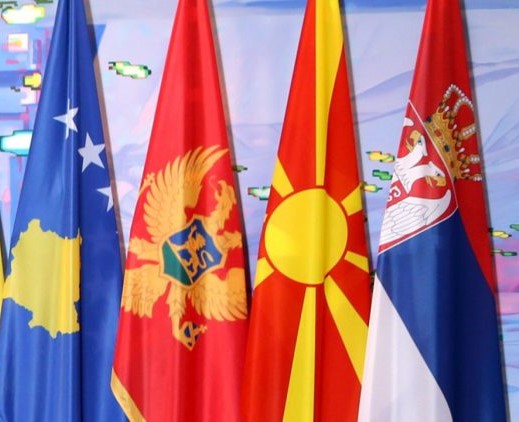
The Psychopolitical Encirclement of Kosovo by Serbia through Montenegro and North Macedonia

14 May, 2026
in ENGLISH, In Focus
A A
Share on FacebookShare on Twitter

Written by: Dr. Gurakuç Kuçi, Professor at Universum College and External Associate at ISLH “OCTOPUS”

Serbia is inciting the citizens of Montenegro and North Macedonia against Kosovo, with the aim of gradually extending this sentiment, as part of its strategic communication against Kosovo, to the institutional and state level. This sentiment is not remaining only on the political margins or within nationalist groups, but is also appearing in municipalities, parliamentary parties, and high-ranking state figures with a clear history of opposition to Kosovo.

This is not merely a propaganda process, but an attempt to produce social hostility, to turn it into a political climate, and then to translate it into institutional positions against Kosovo. In this way, the contestation of Kosovo no longer remains only Serbia’s official position, but is being presented as the will of citizens and institutions in neighboring countries.

Zeta as a Political Precedent

On May 12, on the feast day of Saint Vasil, a saint revered by Serbian and Montenegrin Orthodox Christians, the Municipality of Zeta in Montenegro, led by the Democratic People’s Party, adopted a decision on the “annulment” of Kosovo’s recognition. This decision came after a rally of this party held on May 10, led by Montenegrin MP Milan Knezevic, where lobbying for the withdrawal of Kosovo’s recognition was announced. Knezevic, using clearly nationalist language, added that Montenegro must break out of this “colonialism” and return to the roots of Njegos.

At first glance, this decision may appear absurd. Municipalities do not recognize states, nor can they withdraw recognition of something that does not fall within their competence. But this is precisely where the core of the issue lies, because the objective is not legal effect, but political, psychological, and symbolic effect.

Zeta cannot change Kosovo’s status, but it can create a precedent. It can test the reaction of Podgorica, public opinion, the international factor, and other municipalities where pro-Serbian actors have influence. Therefore, this case should not be read as a municipal decision, but as a test of exporting Serbian contestation of Kosovo into the local institutions of neighboring countries, where an act with no legal effect is used to produce political, emotional, and communicative effect. This is a more advanced phase of hybrid warfare. First, a narrative is produced; then collective emotion is created; and that emotion is inserted into religion, history, sport, festivals, graffiti, and political gatherings. Later, a local actor transforms this atmosphere into an institutional act, even if that act has no legal force.

Montenegro as a Space of Serbian Reconfiguration

The aim is to incite hatred toward Kosovo and pro-Serbian sympathy among the Montenegrin people through religion, nationalism, history, and identity. Therefore, after the 2020 elections and the political changes in Montenegro, the influence of pro-Serbian and pro-Russian parties gradually strengthened. Nor is the instrumentalization of the census a coincidence, where, through political, church-based, and identity campaigns, attempts were made to alter the balance of national self-identification in favor of Serbian identity.

I have addressed this more extensively in my paper “Geopolitical Risks and Reconfigurations: Serbia and the Challenge to Montenegro’s Stability”, where I argued that Serbia aims to use Montenegro as a space for reconfiguring its regional influence. Serbia does not see Montenegro merely as a neighboring state, but as a lost strategic, identity-based, and geopolitical space. For Serbia, the loss of Montenegro also means the loss of access to the sea, the loss of strategic depth, and the loss of part of the Serbian historical narrative on Orthodoxy, Slavism, and the political legacy of the region.

Precisely for this reason, Kosovo is used in Montenegro not only as a matter of foreign policy, but as an instrument for reorienting Montenegro’s own political identity. Knezevic’s reference to Njegos moves beyond historical rhetoric into political rhetoric. Through Njegos, the Serbian Orthodox Church, Saint Vasil, and other religious and historical symbols, the aim is to construct an ideological line in which Montenegro is presented as part of the Serbian world, and not as a civic, independent, and Euro-Atlantic state.

The Circle of Pro-Serbian Municipalities

In this sense, the case of Zeta is directly linked to the attempt to create a circle of pro-Serbian municipalities, structures, and actors within Montenegro. This circle does not need to be immediately declared as a formal project. It can be built gradually through municipalities, parties, the church, the media, the census, historical narratives, and local mobilization.

First, pro-Serbian political islands are created. Then these islands are connected to one another. In the end, they can be used as a basis for larger political demands: greater competencies, autonomy, an association of municipalities, federalization, a referendum, or pressure on the central government.

This logic becomes even more serious when it is seen that the anti-Kosovo sentiment is not limited only to municipalities or to local actors such as Zeta and Knezevic. It has also entered the highest institutional level of Montenegro. The current Speaker of the Parliament of Montenegro, Andrija Mandic, has been among the strongest opponents of Montenegro’s recognition of Kosovo. His previous anti-Kosovo positions have not remained merely at the level of opposition rhetoric, because today he leads the highest representative institution of the Montenegrin state and is part of the country’s security architecture.

This shows that we are dealing with a political, institutional, and communicative chain, not with isolated incidents. Municipalities serve as testing grounds, pro-Serbian parties as mechanisms of mobilization, while central institutions serve as a potential space for turning this climate into state-level pressure. In this chain, Zeta and Knezevic function as local levers of the “Serbian World” agenda, while Mandic shows the entry of this sentiment into the central institutional level. Not Zeta’s decision as a document, but Zeta as a political laboratory.

North Macedonia and the Normalization of Hatred

The same logic has also been seen in North Macedonia. In January 2026, the case of Vevçani showed how Serbian national-chauvinist narratives are penetrating cultural, festive, and local spaces. On January 16, I argued that this case is characteristic of the phase of psychological and social pressure in hybrid warfare, where the objective is not necessarily immediate escalation, but the gradual normalization of the discourse of hatred and conflict.

Open anti-Albanian chants have also been heard at sporting events in North Macedonia, including calls such as “Kill the Albanians”. These messages should not be treated as isolated incidents, because they recur in different forms in Serbia, Montenegro, North Macedonia, and other spaces of the Western Balkans.

A piece of graffiti may be an incident. A chant in a stadium may be an incident. A carnival may be presented as satire. A municipal decision may seem absurd. But when all of these are repeated in different countries, with the same anti-Kosovo and anti-Albanian logic, then we are no longer dealing simply with incidents. We are dealing with a pattern of action.

Psychopolitical Encirclement

What these cases show is that Serbia is acting in a multi-vector manner. It uses nationalism, religion, sport, graffiti, festivals, municipalities, and political actors to create an anti-Kosovo mindset in the region. The aim is first to generate social pressure, then to create a political climate, and ultimately to translate that climate into institutional positions against Kosovo.

Therefore, we are dealing with a form of psychopolitical encirclement against Kosovo. Not a classic military encirclement, but an encirclement through hostility produced within the societies surrounding it. The objective is for Kosovo to face not only Serbia’s state-level contestation, but also a fabricated hostile climate in Montenegro and North Macedonia.

This serves Serbia in several ways. It relativizes Belgrade’s aggressive role, because the issue is no longer presented as Serbia against Kosovo, but as “regional dissatisfaction” with Kosovo. It creates pressure on neighboring governments not to strongly support Kosovo. At the same time, it gives Serbia propagandistic and diplomatic material to portray Kosovo as a destabilizing factor, while Serbia presents itself as a state that “manages the concerns” of Serbs and its allies in the region.

Therefore, Zeta and Knezevic are not the beginning of this strategy. They are its activation in an openly political form. Legally, the effect of the action by the Municipality of Zeta is zero. Politically and psychologically, the effect is real. This is the typical evolution of hybrid warfare: from narrative to emotion, from emotion to mobilization, from mobilization to a local act, and from a local act to institutional pressure. If this model is not identified and countered early, it may turn into a regional political chain against Kosovo.

/Argumentum.al

© 2026 Argumentum

Related Posts

Current Events

Democracy Cannot Be Governed by Noise

19 August, 2026
ENGLISH

In Search of Lost Childhood and Land [1]

17 August, 2026
ENGLISH

The Ibar River Should Carry Water, Not Nationalist Politics

12 August, 2026

Follow US

Subscribe

Receive Argumentum Magazine by Email

Last Posts

Democracy Cannot Be Governed by Noise

19 August, 2026

In Search of Lost Childhood and Land [1]

17 August, 2026

The Ibar River Should Carry Water, Not Nationalist Politics

12 August, 2026

Between Political Calculation and Retreat: Croatian Communists at the End of an Era

10 August, 2026

The West is buying time, but to whom is it giving it?

10 August, 2026
Argumentum

“Argumentum”, një proces intelektual …

Contact Us

[email protected]
[email protected]
[email protected]

Follow Us

Media Partner

Register

Receive Argumentum Magazine by Email
  • Home
  • Privacy Policy
  • About Us
  • Contact

© 2022 Argumentum. All Rights Reserved. | NUIS: L91415033Q

Welcome Back!

Login to your account below

Forgotten Password? Sign Up

Create New Account!

Fill the forms bellow to register

*By registering into our website, you agree to the Terms & Conditions and Privacy Policy.
All fields are required. Log In

Retrieve your password

Please enter your username or email address to reset your password.

Log In

Add New Playlist

No Result
View All Result
  • Home
  • OP/ED
  • Interview
  • Realpolitik
  • Current Events
  • Top News
  • YOUR VOICE
  • Shqip

© 2022 Argumentum. All Rights Reserved. | NUIS: L91415033Q

This website uses cookies. By continuing to use this website you are giving consent to cookies being used. Visit our Privacy and Cookie Policy.