


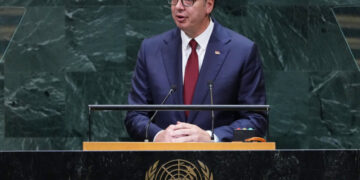




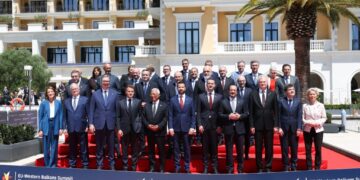
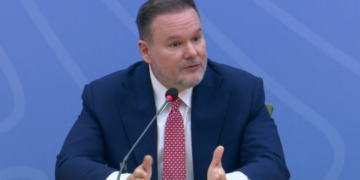




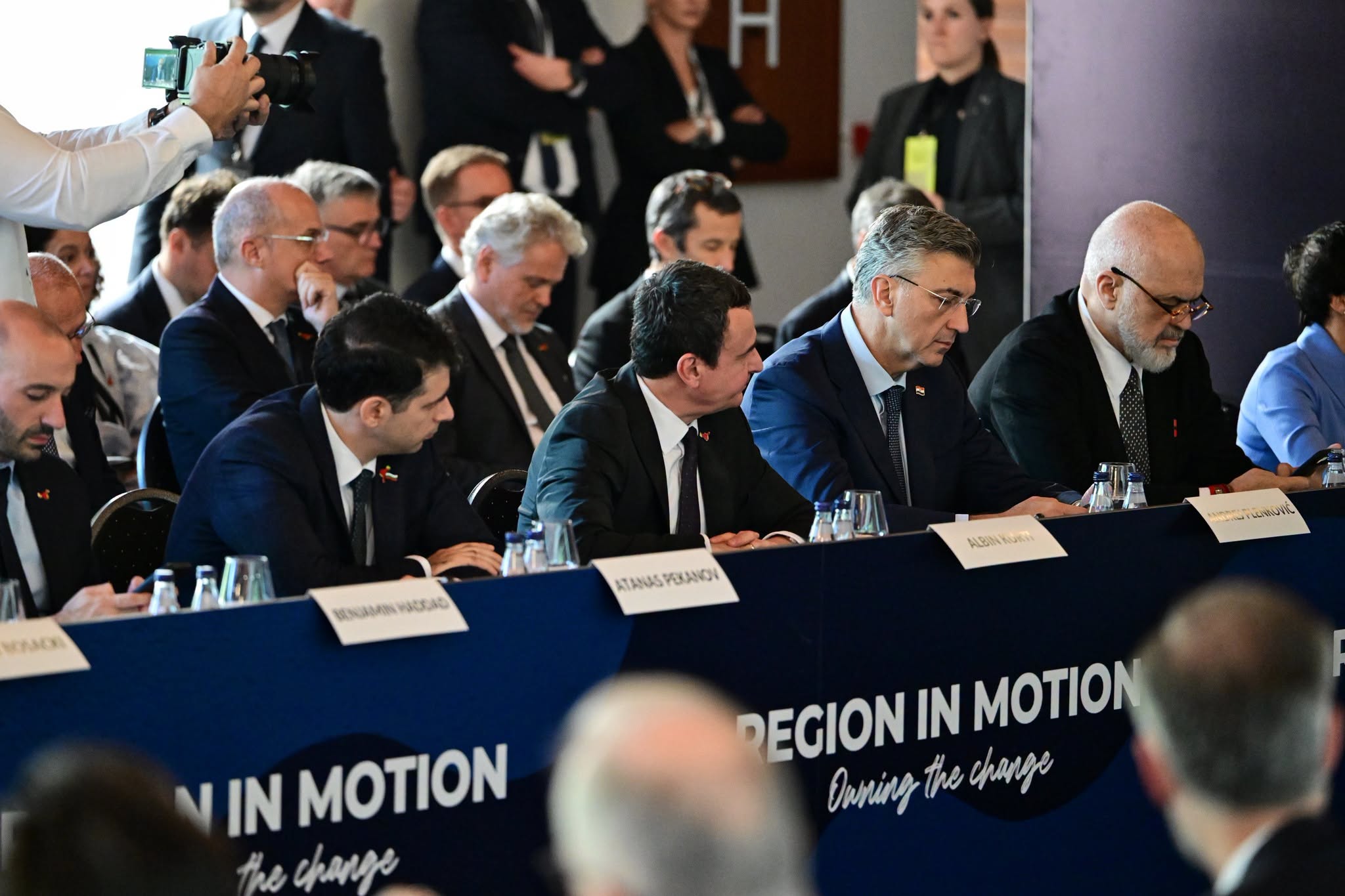
Kosovo Prime Minister Albin Kurti urged the European Union to advance Kosovo’s membership application, grant it candidate status and open accession negotiations. Addressing the 13th Berlin Process Summit in Montenegro, he also called for a collective response to security threats in Europe and raised concerns over the rights of ethnic Albanians in Serbia’s Preševo Valley.
MILOČER, MONTENEGRO — Kosovo Prime Minister Albin Kurti called on the European Union to take concrete steps toward Kosovo’s membership, noting that the country’s application, submitted in December 2022, is still awaiting a decision.
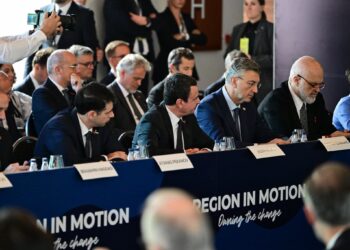
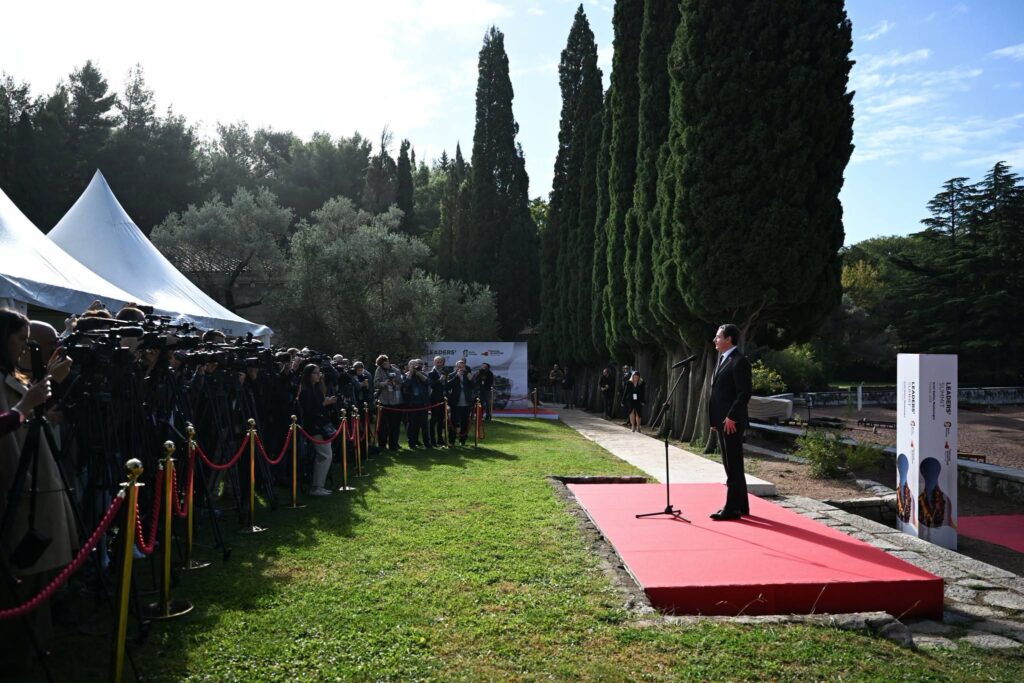
Speaking at the plenary session of the 13th Berlin Process Summit, Kurti said Kosovo remains the only country in the Western Balkans without EU candidate status, despite what he described as progress in democracy, the fight against corruption and the rule of law.
“We ask you to take the decision: to request the Commission’s opinion, grant Kosovo candidate status and open accession negotiations,” Kurti said.
He stressed that Kosovo has aligned its foreign policy with that of the EU and has implemented all EU sanctions against Russia from the outset, arguing that the country acts in line with the standards expected of an EU member state.
European integration and regional cooperation
Kurti praised the Berlin Process, launched by Germany in 2014, for strengthening cooperation among the six Western Balkan partners and advancing the Common Regional Market.
He highlighted the expected benefits of gradual integration with the EU Single Market, including easier payments through the Single Euro Payments Area (SEPA), faster trade through Green Lanes and lower mobile roaming costs under the “Roam Like at Home” initiative.
According to Kurti, SEPA is expected to save Kosovo’s citizens and diaspora approximately €58 million annually.
He also criticized the failure to implement some regional agreements signed in 2022, including those concerning the recognition of university diplomas and identity cards. Agreements, he said, must be respected by all parties.
“Nobody can be forced to love the European Union, but nobody should be allowed to obstruct those who do,” Kurti said.
Banjska, the Ibër-Lepenc canal and calls for a collective response
A significant part of Kurti’s address focused on regional security and attacks he linked to efforts to destabilize Kosovo and Europe.
He referred to the September 2023 armed attack in Banjska, northern Kosovo, in which Kosovo Police Sergeant Afrim Bunjaku was killed, as well as the November 2024 explosion targeting the Ibër-Lepenc water canal in Varagë.
Kurti accused Serbia of protecting individuals whom he said were involved in destabilizing actions. He specifically referred to Milan Radoičić, whom he identified as responsible for the Banjska attack, saying that he remains free in Serbia.
Kurti compared these incidents with what he described as Russia’s hybrid operations against European critical infrastructure and security.
“An attack on one European democracy is an attack on all of Europe and deserves a collective response, because a response built case by case is not deterrence,” Kurti said.
He added that Kosovo’s membership in NATO would provide an additional deterrent against security threats.
The Kosovo prime minister also warned against attempts to secure stability by making concessions at the expense of neighbouring democracies, describing such an approach as dangerous.
Rights of ethnic Albanians in the Preševo Valley
At the end of his address, Kurti raised the issue of minority rights in the Western Balkans, calling for greater attention to the subject within the Berlin Process.
He argued that unequal treatment of communities across borders creates injustice and can contribute to regional tensions.
Kurti urged summit participants to examine the situation of ethnic Albanians in Serbia’s Preševo Valley, claiming that they are being gradually pushed out of institutions and public life.
“Human dignity and human rights come first among the values we must share,” he concluded.
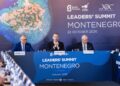
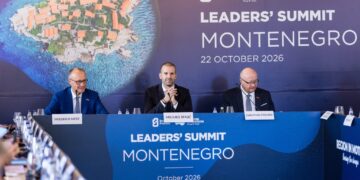
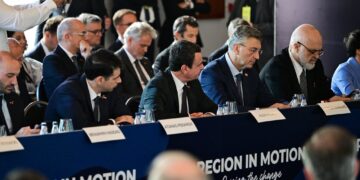
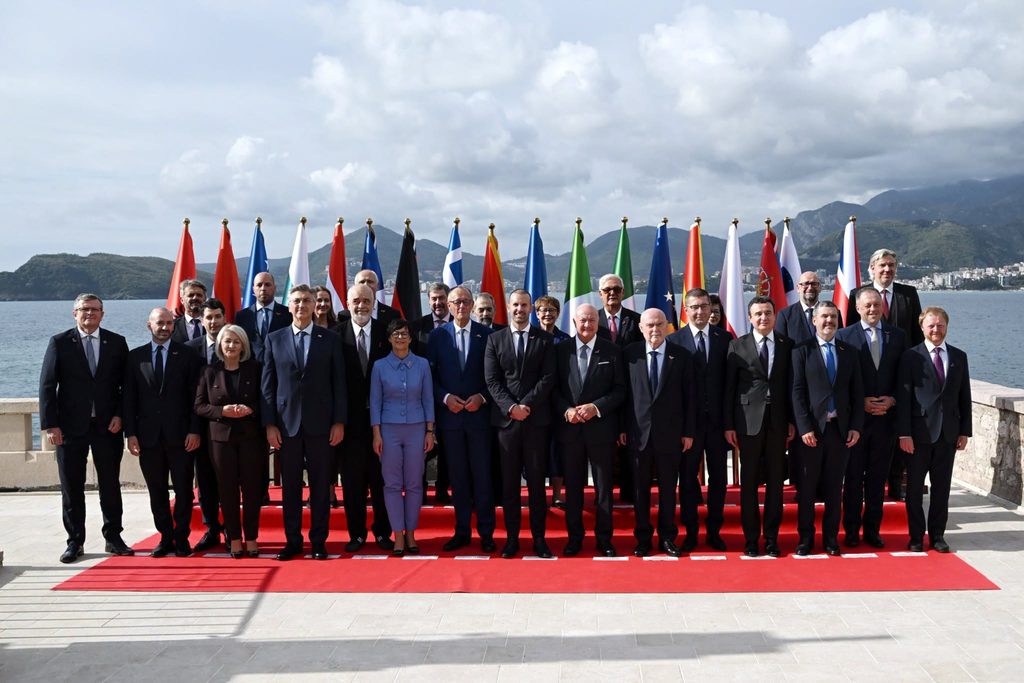
The 13th Berlin Process Summit is being held in Montenegro on October 22, 2026, bringing together Western Balkan leaders and European representatives. The initiative aims to strengthen regional cooperation and accelerate the region’s integration into the European Union.
© 2026 Argumentum