






• SHQIPËRI
  • KOSOVË
  • MAQEDONIA E VERIUT
  • MALI I ZI
  • Revista në PDF
24 July, 2026
  • Home
  • OP/ED

    The Self-Inflicted Decoupling: How U.S. Immigration Policy Is Ceding the Tech Edge to China

    The Blueprint Does Not Stop at the Drina

    The Underlying Logic behind China’s Economic Success

    Do Not Misuse the U.S. Declaration of Independence to Justify the Narrative of Insurrection in Albania

    The visit that changed Albania’s strategic future

    Pierre Nora and the institution of memory we lack in Eastern Europe

    The Blueprint of a Diplomatic Debacle: Analyzing Germany’s Historic UNSC Loss

    Between Russia, Iran and Europe: Azerbaijan as a balancing power in the South Caucasus

    The Zero-Tariff Gate: Sovereignty as a Service in the Sino-African Corridor

  • Interview

    Exclusive Interview with Oleksandr Tyshchenko: A 40-Year Legacy of Chernobyl, Nuclear Risks, and Global Responsibility

    INTERVIEW: ZLATKO KRAMARIĆ – THOUGHTS ON THE OLD CONTINENT

    EXCLUSIVE / Ukrainian Ambassador to Albania, Volodymyr Shkurov: “Ukraine wants peace, but not at the expense of its freedom and independence”

    EXCLUSIVE| Ambassador Tayyar Kagan Atay: Türkiye and Albania, a Strategic Partnership Rooted in Shared Heritage and a Common Vision for the Future

    “Diplomacy, Not War”: Palestinian Ambassador to Albania Calls for Justice, Peace, and Global Action for Gaza

    Exclusive: “Even After Tito – Tito”/ Ambassador Zlatko Kramarić on Authoritarian Legacies and Democracy’s Future in the Balkans

    The Conclusion of the Diplomatic Mission / Ambassador Dancho Markovski: Strengthening Albania-North Macedonia Relations for a Shared European Future

    A Century of Diplomatic Relations Between Albania and Russia: Exclusive Interview with the Russian Ambassador to Albania, H.E. Alexey Zaytsev

    Exclusive/ The chairman of the Freedom Party, Ilir Meta: “The will of the citizens will triumph in Albania, as it did in North Macedonia”

  • Realpolitik

    The Summit of Unity! Think of peace and prepare for war! It’s only the start to the end! Just a pause between two wars!

    Peace with war diplomacy! The protest,  image and tourism! Why this silence from the EU Commission and Council? A deal or a pause?

    Just kind words  in Tivat! Where is the peace!? A deal yes, peace No!What is happening with USA and  EU?  5 elections but no solution!

    IBAR? ”Sufficiently! Much ado about nothing! Shart contrasts in Beijing! Where is the exit?!

    Neither peace nor war! Peace with bombs?! IBAR in autumn?! Not another Hormuz in Taivan! 

    IBAR – a springing board or an obstacle? Can we catch the EU Negotiation train 2027? When the dress makes the news!  EU electoral April  ends in a draw 1:1!  

    The European Parliament building in Strasbourg, France with flags waving calmly celebrating peace of the Europe. July 12, 2020.

    EU 2027 or 2037! Even half membership failed! No exit strategy!     

    What next?

    “With diplomatic velvet“! Major question marks! In Washington yes, but  in the White House NO! A strange dinner in Brussels!

  • Current Events

    Who Is Interested in War in the Balkans?

    From Calculating Executions to Justifying Ethnic Cleansing

    When Algorithm Becomes the Most Powerful Manipulator: The Case of the Protests in Tirana

    NATO Summit in Ankara: Allies Adopt Declaration Reaffirming Collective Defence and Long-Term Security Commitments

    The Diplomacy of Gas and Algorithms: The Nuances of Official Tirana—Is It Breaking the European Taboo with Azerbaijan?

    Protection for Serbs, or Protection for Radoicic?

    The Architecture of Selective Sovereignty:Corporate Immunity, Technological Protectionism, and the Erosion of Credibility

    Montenegro’s Unfinished Transition

    The Paradox of Selective Capitalism: How Western Rule-Breaking Accelerates Its Own Systemic Demise

  • Top News

    The Council of Albanian Ambassadors condemns chauvinistic rhetoric by Serbian officials and calls for diplomatic action

    NATO at Ankara 2026: Strategic Rebalancing Between Russia Deterrence, Turkey’s Rise, and National Interests

    Daniel Serwer: A Bad War Ending Badly May Still Be Good News

    Friedrich Merz, Keir Starmer, António Costa, Donald Trump, Emmanuel Macron, Mark Carney, Ursula von der Leyen, Giorgia Meloni and Sanae Takaichi

    G7 Leaders Gather in Évian Amid Global Uncertainty, Focus on Security, Economy and International Cooperation

    Russian Ambassador in Tirana: “Without a Strong and Sovereign Russia, the Creation of a Just World Order Is Impossible”

    “The Flamingo Revolution”: Day 10 of Protests in Albania Draws International Attention

    Rama alleges ‘hybrid war’ behind protests against Kushner-linked coastal development

    No End in Sight: Trump, Netanyahu and the Expanding Middle East War

    Tirana – €20 Million EU–Banking Agreement Boosts Albanian SMEs

  • YOUR VOICE
  • Shqip
No Result
View All Result
Argumentum
  • Home
  • OP/ED

    The Self-Inflicted Decoupling: How U.S. Immigration Policy Is Ceding the Tech Edge to China

    The Blueprint Does Not Stop at the Drina

    The Underlying Logic behind China’s Economic Success

    Do Not Misuse the U.S. Declaration of Independence to Justify the Narrative of Insurrection in Albania

    The visit that changed Albania’s strategic future

    Pierre Nora and the institution of memory we lack in Eastern Europe

    The Blueprint of a Diplomatic Debacle: Analyzing Germany’s Historic UNSC Loss

    Between Russia, Iran and Europe: Azerbaijan as a balancing power in the South Caucasus

    The Zero-Tariff Gate: Sovereignty as a Service in the Sino-African Corridor

  • Interview

    Exclusive Interview with Oleksandr Tyshchenko: A 40-Year Legacy of Chernobyl, Nuclear Risks, and Global Responsibility

    INTERVIEW: ZLATKO KRAMARIĆ – THOUGHTS ON THE OLD CONTINENT

    EXCLUSIVE / Ukrainian Ambassador to Albania, Volodymyr Shkurov: “Ukraine wants peace, but not at the expense of its freedom and independence”

    EXCLUSIVE| Ambassador Tayyar Kagan Atay: Türkiye and Albania, a Strategic Partnership Rooted in Shared Heritage and a Common Vision for the Future

    “Diplomacy, Not War”: Palestinian Ambassador to Albania Calls for Justice, Peace, and Global Action for Gaza

    Exclusive: “Even After Tito – Tito”/ Ambassador Zlatko Kramarić on Authoritarian Legacies and Democracy’s Future in the Balkans

    The Conclusion of the Diplomatic Mission / Ambassador Dancho Markovski: Strengthening Albania-North Macedonia Relations for a Shared European Future

    A Century of Diplomatic Relations Between Albania and Russia: Exclusive Interview with the Russian Ambassador to Albania, H.E. Alexey Zaytsev

    Exclusive/ The chairman of the Freedom Party, Ilir Meta: “The will of the citizens will triumph in Albania, as it did in North Macedonia”

  • Realpolitik

    The Summit of Unity! Think of peace and prepare for war! It’s only the start to the end! Just a pause between two wars!

    Peace with war diplomacy! The protest,  image and tourism! Why this silence from the EU Commission and Council? A deal or a pause?

    Just kind words  in Tivat! Where is the peace!? A deal yes, peace No!What is happening with USA and  EU?  5 elections but no solution!

    IBAR? ”Sufficiently! Much ado about nothing! Shart contrasts in Beijing! Where is the exit?!

    Neither peace nor war! Peace with bombs?! IBAR in autumn?! Not another Hormuz in Taivan! 

    IBAR – a springing board or an obstacle? Can we catch the EU Negotiation train 2027? When the dress makes the news!  EU electoral April  ends in a draw 1:1!  

    The European Parliament building in Strasbourg, France with flags waving calmly celebrating peace of the Europe. July 12, 2020.

    EU 2027 or 2037! Even half membership failed! No exit strategy!     

    What next?

    “With diplomatic velvet“! Major question marks! In Washington yes, but  in the White House NO! A strange dinner in Brussels!

  • Current Events

    Who Is Interested in War in the Balkans?

    From Calculating Executions to Justifying Ethnic Cleansing

    When Algorithm Becomes the Most Powerful Manipulator: The Case of the Protests in Tirana

    NATO Summit in Ankara: Allies Adopt Declaration Reaffirming Collective Defence and Long-Term Security Commitments

    The Diplomacy of Gas and Algorithms: The Nuances of Official Tirana—Is It Breaking the European Taboo with Azerbaijan?

    Protection for Serbs, or Protection for Radoicic?

    The Architecture of Selective Sovereignty:Corporate Immunity, Technological Protectionism, and the Erosion of Credibility

    Montenegro’s Unfinished Transition

    The Paradox of Selective Capitalism: How Western Rule-Breaking Accelerates Its Own Systemic Demise

  • Top News

    The Council of Albanian Ambassadors condemns chauvinistic rhetoric by Serbian officials and calls for diplomatic action

    NATO at Ankara 2026: Strategic Rebalancing Between Russia Deterrence, Turkey’s Rise, and National Interests

    Daniel Serwer: A Bad War Ending Badly May Still Be Good News

    Friedrich Merz, Keir Starmer, António Costa, Donald Trump, Emmanuel Macron, Mark Carney, Ursula von der Leyen, Giorgia Meloni and Sanae Takaichi

    G7 Leaders Gather in Évian Amid Global Uncertainty, Focus on Security, Economy and International Cooperation

    Russian Ambassador in Tirana: “Without a Strong and Sovereign Russia, the Creation of a Just World Order Is Impossible”

    “The Flamingo Revolution”: Day 10 of Protests in Albania Draws International Attention

    Rama alleges ‘hybrid war’ behind protests against Kushner-linked coastal development

    No End in Sight: Trump, Netanyahu and the Expanding Middle East War

    Tirana – €20 Million EU–Banking Agreement Boosts Albanian SMEs

  • YOUR VOICE
  • Shqip
No Result
View All Result
Argumentum
No Result
View All Result
Home ENGLISH

New enlargement methodology: It will work only if used properly

11 February, 2020
in ENGLISH, English Top News
A A
Share on FacebookShare on Twitter

By adopting its proposal for a new enlargement methodology last week, European Commission, by its own words, recognised that the current process needs to be improved. While its proposals address the problems of the currently used methodology, it will be little more than just another piece of paper without political will, experts agree.

When it comes to the perhaps most important short-term question – will the new proposal satisfy skeptical EU Member States, France in particular, enough to open accession negotiations with North Macedonia and Albania, both Professor of South East European History and Politics at the University of Graz Florian Bieber and Research Fellow at the University of Oxford Tena Prelec are optimistic.

“Yes, I think it can (get the approval of France). It is important to keep in mind that the Macron’s veto had little to do with the actual accession process or the two countries, so this is largely a face saving exercise”, says Bieber, coordinator of the Balkans in Europe Policy Advisory Group, for EWB.

Tena Prelec also believes that this proposal should satisfy France, but adds that the Netherlands, as a potential blocker, should also be on the radar.

“I am less confident that a change in methodology will satisfy their (Dutch) concerns, but I do hope that sense will prevail and that they will understand the reasons why unblocking the opening of accession negotiations for North Macedonia and Albania is clearly and undoubtedly the right thing to do”, says Prelec, also a member of BiEPAG.

European Council has agreed to revisit the issue of opening talks with Skopje and Tirana before the Zagreb Summit in May. The now infamous French veto from October 2019 was nevertheless only the immediate trigger for the Commission to re-assess the way accession negotiations are conducted, with multiple problems accumulating over the years.

Montenegro began its accession talks in 2012 and Serbia in 2014. Both countries are apparently far from finishing their alignment with EU laws and standards – for the last six years, Serbia has only opened about a half of 35 negotiating chapters. Montenegro has gone a step further, opening almost all of them, but failing to close all but three.

The adoption of EU legislation, however, is only one side of the process.

“A core objective of the European Union’s engagement with the Western Balkans is to prepare them to meet all the requirements of membership. This includes supporting fundamental democratic, rule of law and economic reforms and alignment with core European values”, reads the introduction to EC’s methodology proposals.

At least in the first two reform areas Serbia and Montenegro appear to still be far behind the expectations of the EU. Various corruption scandals and their slow prosecution are present in both countries, while their democratic institutions have experienced serious challenges over the past years, a trend noted by multiple domestic and international observes.

How to inject dynamism in the process?

One of the most visible changes to the process, if the methodology is endorsed by the Member States, is that the candidate country would not open negotiating chapters individually – they would be organised into six clusters (“internal market”, “resources, agriculture and cohesion”, “external relations” and others). The clusters, not the chapters, would then be opened by the candidates, significantly lowering the number of times their ministers have to hop on a plain to Brussels. Commission also proposed more tangible rewards to candidates, such as “phasing them in” into certain EU policy areas once they are ready to join, as well as more funding and investments.

Serbia held seven intergovernmental conferences dedicated to opening the chapters in the past three years. According to Florian Bieber, clustering of chapters and going away from the fetish of opening and closing chapters is “certainly an advantage”.
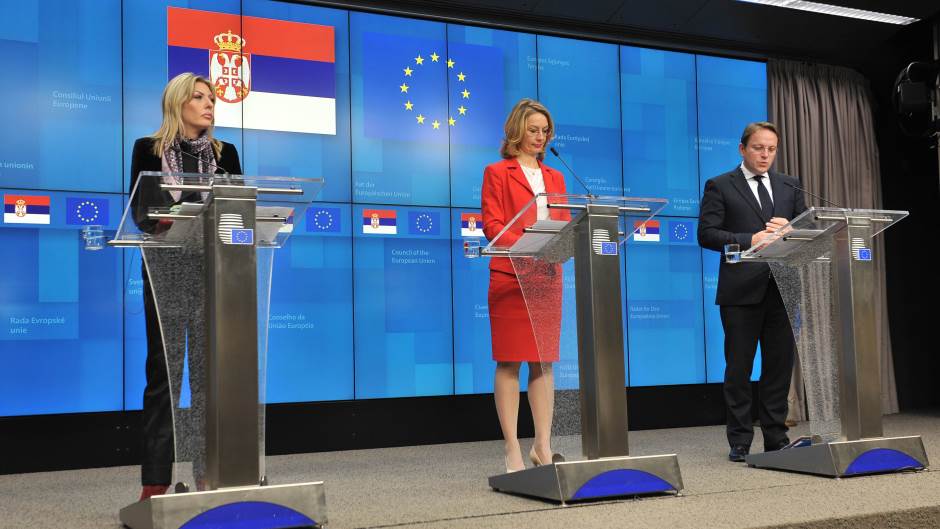
EU-Serbia intergovernmental conference, December 2019; Photo: Tanjug / Zoran Stanić

Tena Prelec emphasizes that the way the ‘thematic clusters’ of chapters will be organised is very important.

“It is crucial that the enlargement process becomes flatter and more dynamic, with countries able to progress in several areas at once: a hierarchical structure with new veto points is to be avoided”, she says.

Both clustering of chapters and phasing in of the candidates were originally proposed by France in its non-paper from November 2019. This proposal put a special emphasis on the rule of law area, effectively preventing countries to advance to other stages without sorting out problems in this area. While not giving such a strict condition in its own proposal, the Commission was obviously concerned with democracy and rule of law while drafting the document.

Political will – a key element of a toolbox

In order to address the worries over the fight against corruption, functioning of the democratic institutions and other “fundamental” areas of the accession process, the Commission proposes an “even stronger focus on the fundamental reforms essential for success on the EU path.”

While it kept the provision already in use – the negotiations on the fundamentals will be opened first and closed last and progress on these will determine the overall pace of negotiations – the Commission introduced some new elements to help the effective implementation of the reforms: roadmaps for the rule of law and democratic institutions, more clear sanctions for backsliding – including putting negotiations on hold or even completely suspending them – and more say of the individual Member States in assessing the progress of the candidates.

Florian Bieber finds the emphasis on democratic institutions, rather than just the rule of law, positive. According to him, this recognizes the democratic backsliding in the region. He also believes that the explicit ability to reduce or even stop negotiations is a welcome innovation.

“However, already now we have the imbalance clause (ability of EU to block further progress if the rule of law reforms are not delivered) which has not been used, so the new tools are not useful, if they are not in usage”, Bieber warns.

Tena Prelec further emphasizes the importance of the will to use the measures at your disposal.

“On the whole, we all know that no methodology will work without appropriate political will – the EC is well aware of it, too”, says Prelec.

She adds that there is no “silver bullet” that can magically fix all the issues with EU enlargement.

“There are only tweaks that can be done to make the best of a situation which is and always will be flawed; exposed to political interests from both the EU member states and less-than-perfect WB leaders. At least, however, the principles proposed go towards the right direction”, she stresses. 

More involvement of Member States: A double-edged sword

While the Member States made calls on when to open or close negotiating chapters and negotiations as a whole, the process itself has until now largely been in hands of the Commission. This institution now proposes several ways on how to involve EU governments more.

Among the instruments to achieve this goal are invitations to Member States to contribute more systematically to the accession process, including monitoring on the ground through and through direct contributions to the annual reports. The proposal also envisages country-specific inter-governmental conferences, which should take place after publication of the Commission’s annual reports on each country and provide the fora for political dialogue on reforms, as well as regular EU-Western Balkans Summits, like those in Sofia and the forthcoming one in Zagreb.
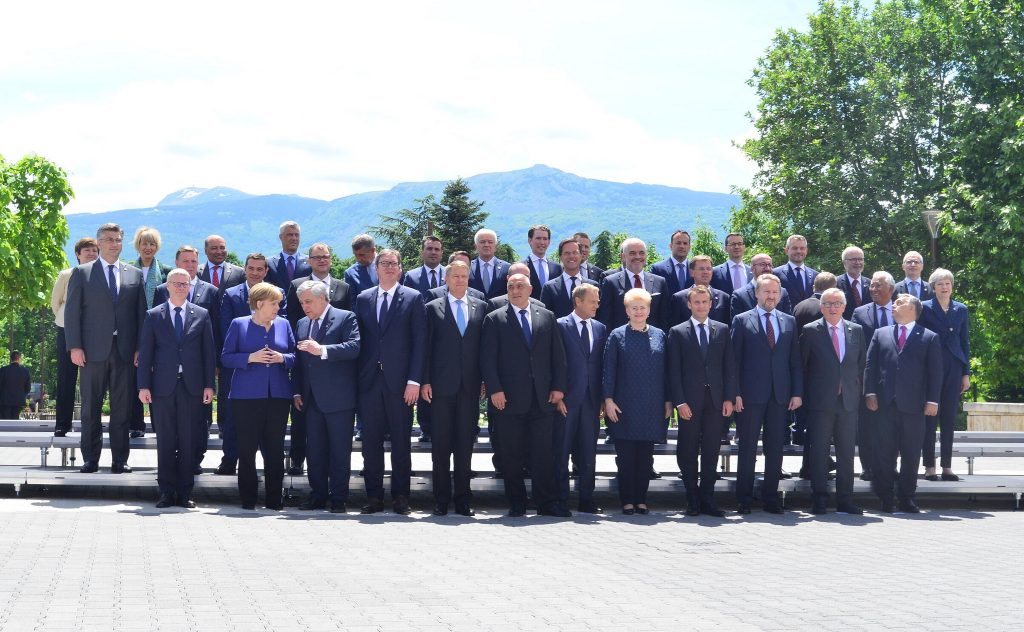
Family Photo at the Sofia Summit; Photo: Bulgarian EU Presidency / Flickr

According to Prelec, more involvement of the Member States can be a double-edged sword.

“While the blocking of the candidates’ progress on the basis of bilateral issues remains a concern, the hope is clearly that this move would ‘front-load’ possible objections, avoiding arbitrary blocking at a later stage of the process, once the country has already fulfilled the pre-agreed obligations”, she points out.

Florian Bieber also recognizes the intention of European Commission to incentivise Member States to make more informed decisions than France did in 2019. He is, nevertheless, concerned that these proposals do allow them to interfere and potentially disrupt the process more.

Montenegro and Serbia should “opt-in”

According to the comments made by the political leadership of the two countries already negotiating, they could see themselves opting-in to the new methodology, but they will still wait and see what its final form would be. European Commission stressed in the document that the changes would apply only if the two governments agree.

“I think that both countries should make an effort to adapt to the new methodology. All indications point to the fact that, despite their formal progression in the accession process, they are not making real progress on the fundamentals. Agreeing to a process promising a fairer procedure and higher scrutiny would be a way of signalling that they are serious about reform”, Tena Prelec says. 

Florian Biber believes that it makes little sense to have two different processes for the two and for the rest.

“This seems particularly useful, as the accession talks with both is marked by stagnation and the problems of democratic stagnation and backsliding are as pronounced in these two as in the rest”, he concludes.

The European Commission, it seems, tried to address multiple issues with the current enlargement process and, according to Prelec, “hit the nail on the head”. What it remains for it to do is “only” to implement what it has proposed – convince EU Member States to pursue a more predictable and credible accession process and reinforce positive and negative conditionality towards the Western Balkans.
Related Posts

ENGLISH

Public Administration and Civic Engagement in the Western Balkans: From Macro-Politics to Procedural Accountability

24 July, 2026
ENGLISH

A constant in an era of radical change

22 July, 2026
ENGLISH

Azerbaijan’s Policy in the Middle East: ties, overlaps, and divergences

22 July, 2026

Follow US

Subscribe

Receive Argumentum Magazine by Email

Last Posts

Public Administration and Civic Engagement in the Western Balkans: From Macro-Politics to Procedural Accountability

24 July, 2026

A constant in an era of radical change

22 July, 2026

Who Is Interested in War in the Balkans?

22 July, 2026

Azerbaijan’s Policy in the Middle East: ties, overlaps, and divergences

22 July, 2026

The Summit of Unity! Think of peace and prepare for war! It’s only the start to the end! Just a pause between two wars!

20 July, 2026
Argumentum

“Argumentum”, një proces intelektual …

Contact Us

[email protected]
[email protected]
[email protected]

Follow Us

Media Partner

Register

Receive Argumentum Magazine by Email
  • Home
  • Privacy Policy
  • About Us
  • Contact

© 2022 Argumentum. All Rights Reserved. | NUIS: L91415033Q

Welcome Back!

Login to your account below

Forgotten Password? Sign Up

Create New Account!

Fill the forms bellow to register

*By registering into our website, you agree to the Terms & Conditions and Privacy Policy.
All fields are required. Log In

Retrieve your password

Please enter your username or email address to reset your password.

Log In

Add New Playlist

No Result
View All Result
  • Home
  • OP/ED
  • Interview
  • Realpolitik
  • Current Events
  • Top News
  • YOUR VOICE
  • Shqip

© 2022 Argumentum. All Rights Reserved. | NUIS: L91415033Q

This website uses cookies. By continuing to use this website you are giving consent to cookies being used. Visit our Privacy and Cookie Policy.