











In Focus
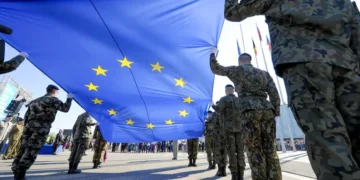
Every year on 9 May, Europe celebrates more than a date on the calendar. Europe Day marks an idea, perhaps the most ambitious political idea of the modern era: that nations once divided by war could choose cooperation over conflict, integration over nationalism, and peace over power politics.
For younger generations, the European Union can sometimes feel administrative, technical, even distant. Debates about regulations, migration, inflation, enlargement, or bureaucracy often dominate headlines. Yet Europe Day invites us to look beyond the daily noise and remember where Europe stood yesterday and where it stands today.
Yesterday’s Europe was a continent of ruins.
The first half of the twentieth century brought two catastrophic world wars born from rivalry, imperial ambition, extremism, and nationalism. Millions died. Cities were destroyed. Borders shifted violently. Distrust between nations was not theoretical; it was inherited trauma.
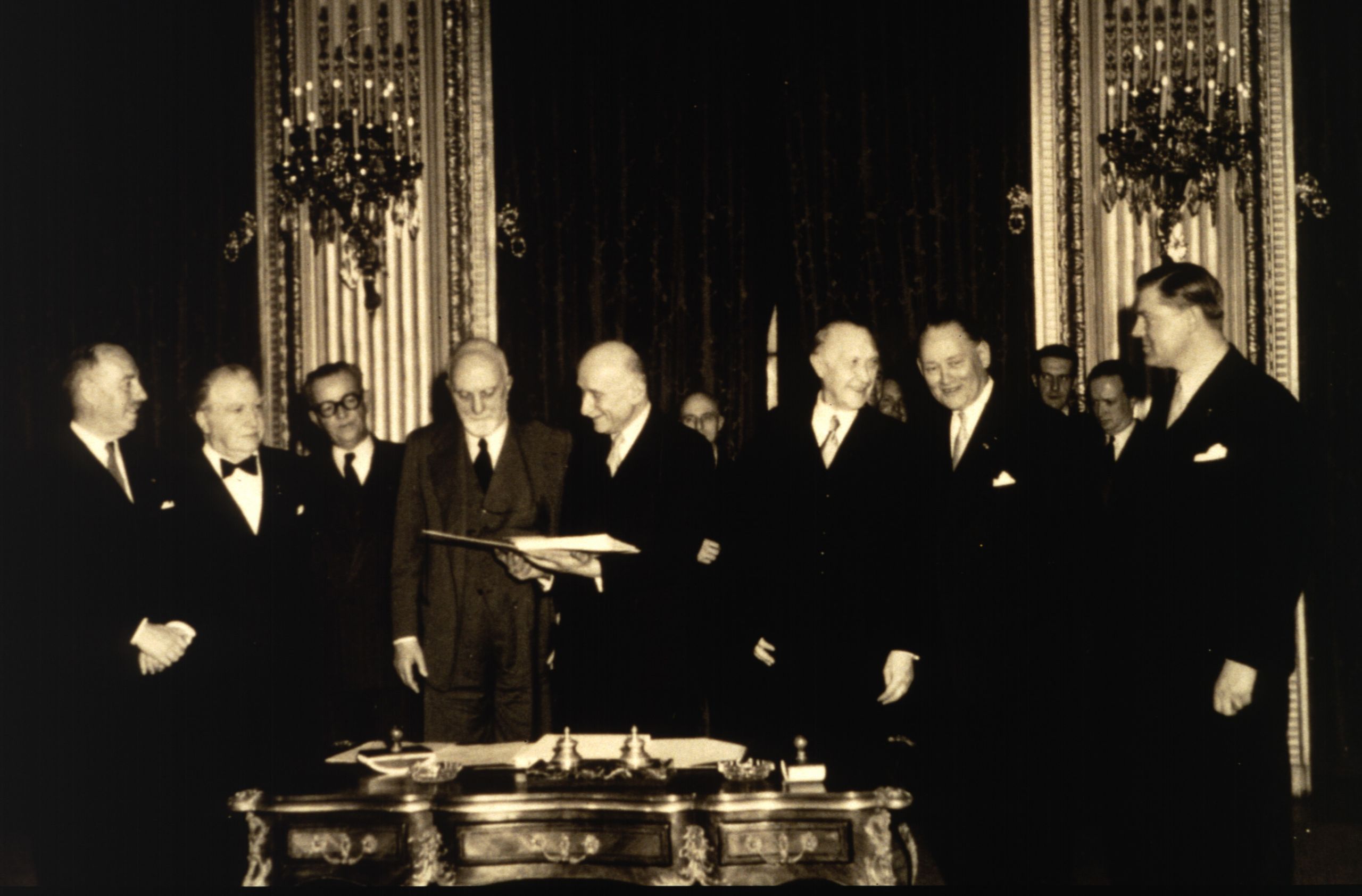
On 9 May 1950, French Foreign Minister Robert Schuman proposed something revolutionary: placing coal and steel productio, the essential materials of war under shared European control. The Schuman Declaration became the foundation of what would eventually evolve into the European Union.
The logic was simple yet profound: countries that build together are less likely to destroy each other.
What followed transformed Europe. Former enemies became partners. Dictatorships in Southern Europe gave way to democracies integrated into a common European framework. After the fall of the Berlin Wall, Eastern European nations found not isolation but a path toward political and economic integration. Borders that once symbolized division gradually became crossings of opportunity.
Today’s Europe is not perfect. No honest observer would claim otherwise.
The continent faces profound challenges: geopolitical instability, economic inequality, demographic pressures, climate change, disinformation, and rising populism. Russia’s war against Ukraine shattered assumptions that large-scale war belonged only to history books. Meanwhile, many Europeans increasingly question whether institutions are capable of responding quickly and effectively to crises.
Yet criticism of Europe should not erase recognition of what Europe has achieved.
The European project helped create the longest sustained period of peace among major European powers in modern history. It built systems of legal cooperation, educational exchange, scientific collaboration, labor mobility, and human rights protection that remain unprecedented across such a diverse group of nations.
For countries in the Western Balkans, Europe represents something even deeper: a horizon of stability, democratic standards, and shared prosperity. The European ideal continues to matter because it offers a framework where identity and cooperation do not cancel each other out. One can be Albanian, Italian, German, Croatian, or Greek — and still belong to a wider European community.
This is especially important in an age increasingly shaped by fragmentation. Around the world, societies are becoming more polarized. Trust in institutions is weakening. Politics is often driven by fear, outrage, and short-term calculations. In such a climate, the European project remains an imperfect but powerful argument that cooperation between nations is still possible.
Europe Day should therefore not be reduced to ceremonial speeches or symbolic flags. It should be a moment of reflection.
What kind of Europe will emerge in the coming decades? A defensive Europe fearful of change? Or a confident Europe capable of balancing security with openness, sovereignty with solidarity, and economic competitiveness with social justice?
The answer depends not only on leaders in Brussels or national capitals, but on European citizens themselves.
The story of Europe has never been inevitable. It was built through political courage, compromise, and historical memory. The generations who rebuilt Europe after 1945 understood something essential: peace is not self-sustaining. Democracy is not automatic. Unity is not permanent.
These lessons remain urgent today.
On 9 May, Europe celebrates not perfection, but progress, the difficult, unfinished effort to transform a continent once defined by division into one increasingly shaped by cooperation.
That achievement deserves both gratitude and renewal.
© 2026 Argumentum