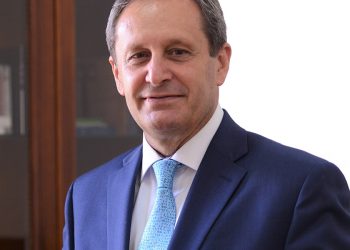





















Dr. Dorian Koçi
Former Director of National Historical Museum of Albania,
In the nineteenth century, museums were often created as instruments of nation-building. They preserved victories, celebrated heroes, and shaped collective identities at a time when modern states were emerging across Europe and beyond. Institutions such as the Louvre Museum, the British Museum, or the National Historical Museum were not only repositories of objects; they were temples of memory, places where nations narrated themselves to their citizens and to the world.
Yet museums were also products of their time. Many reflected imperial visions, selective memories, and official narratives that often excluded minorities, defeated communities, or uncomfortable histories. In divided societies, museums sometimes became mirrors of division itself.
Today, their mission is evolving profoundly.
In an age marked by polarization, wars, migration, and competing historical interpretations, museums are increasingly becoming spaces of dialogue rather than monuments of certainty. The contemporary museum no longer speaks with a single voice. It listens, questions, and invites reflection.The most important transformation of museums in the twenty-first century is their ability to represent multiple memories within the same space. A museum today can tell the story of conflict while also creating the possibility of reconciliation.
Examples across the world demonstrate this new role. The POLIN Museum of the History of Polish Jews presents centuries of Jewish life in Poland not only through tragedy, but through coexistence and cultural contribution. The Apartheid Museum confronts the painful legacy of racial segregation while encouraging democratic consciousness and human dignity. In the Balkans, museums dedicated to memory and coexistence built in the last years, increasingly seek to present histories that were once silenced by ideology or nationalism.
Museums are uniquely positioned to humanize history. Political debates divide people into camps; museums return history to individual lives, personal objects, testimonies, photographs, and emotions. A child’s shoe from a war, a handwritten letter from exile, or a family photograph rescued from destruction can speak more powerfully than political slogans.
In this sense, museums become bridges between generations and communities. They create civic empathy.
Digital technology has further expanded this role. Virtual exhibitions, oral history archives, and interactive storytelling now allow museums to cross borders and connect audiences globally. Memory is no longer confined within walls; it travels across societies and cultures. But the future of museums depends on courage: the courage to confront difficult histories honestly, to include marginalized voices, and to transform remembrance into dialogue. A museum that only glorifies the past risks becoming irrelevant. A museum that encourages understanding becomes a living institution.
In a divided world, museums remind us that history is not only about what separates us, but also about what humanity has endured together. And perhaps this is their greatest mission today: not simply to preserve objects, but to preserve the possibility of understanding one another.
© 2026 Argumentum