













• SHQIPËRI
  • KOSOVË
  • MAQEDONIA E VERIUT
  • MALI I ZI
  • Revista në PDF
2 September, 2026
 
  • Home
  • OP/ED

    The Reconfiguration of Maritime Governance: Structural Hegemonic Decline and the Arctic Pivot

    Between Political Calculation and Retreat: Croatian Communists at the End of an Era

    The West is buying time, but to whom is it giving it?

    27 July 1941 – A Site of Memory Between War, Revolution and Europe

    The cult of Saint Veneranda / Saint Pren(d)a / Saint Premte / Saint Paraskeva among Albanians

    The Self-Inflicted Decoupling: How U.S. Immigration Policy Is Ceding the Tech Edge to China

    The Blueprint Does Not Stop at the Drina

    The Underlying Logic behind China’s Economic Success

    Do Not Misuse the U.S. Declaration of Independence to Justify the Narrative of Insurrection in Albania

  • Interview

    Exclusive Interview with Oleksandr Tyshchenko: A 40-Year Legacy of Chernobyl, Nuclear Risks, and Global Responsibility

    INTERVIEW: ZLATKO KRAMARIĆ – THOUGHTS ON THE OLD CONTINENT

    EXCLUSIVE / Ukrainian Ambassador to Albania, Volodymyr Shkurov: “Ukraine wants peace, but not at the expense of its freedom and independence”

    EXCLUSIVE| Ambassador Tayyar Kagan Atay: Türkiye and Albania, a Strategic Partnership Rooted in Shared Heritage and a Common Vision for the Future

    “Diplomacy, Not War”: Palestinian Ambassador to Albania Calls for Justice, Peace, and Global Action for Gaza

    Exclusive: “Even After Tito – Tito”/ Ambassador Zlatko Kramarić on Authoritarian Legacies and Democracy’s Future in the Balkans

    The Conclusion of the Diplomatic Mission / Ambassador Dancho Markovski: Strengthening Albania-North Macedonia Relations for a Shared European Future

    A Century of Diplomatic Relations Between Albania and Russia: Exclusive Interview with the Russian Ambassador to Albania, H.E. Alexey Zaytsev

    Exclusive/ The chairman of the Freedom Party, Ilir Meta: “The will of the citizens will triumph in Albania, as it did in North Macedonia”

  • Realpolitik

    Belgrade, Zelensky and the Consulates! The European Pact takes water! Drone in Leipzig and hybrid war! Why a  ceasefire is needed in September

    The Summit of Unity! Think of peace and prepare for war! It’s only the start to the end! Just a pause between two wars!

    Peace with war diplomacy! The protest,  image and tourism! Why this silence from the EU Commission and Council? A deal or a pause?

    Just kind words  in Tivat! Where is the peace!? A deal yes, peace No!What is happening with USA and  EU?  5 elections but no solution!

    IBAR? ”Sufficiently! Much ado about nothing! Shart contrasts in Beijing! Where is the exit?!

    Neither peace nor war! Peace with bombs?! IBAR in autumn?! Not another Hormuz in Taivan! 

    IBAR – a springing board or an obstacle? Can we catch the EU Negotiation train 2027? When the dress makes the news!  EU electoral April  ends in a draw 1:1!  

    The European Parliament building in Strasbourg, France with flags waving calmly celebrating peace of the Europe. July 12, 2020.

    EU 2027 or 2037! Even half membership failed! No exit strategy!     

    What next?

  • Current Events

    Albanian Opposition Leader Sali Berisha to Return to U.S. Five Years After Entry Ban

    Bekim Sejdiu Named Consensus Candidate for Kosovo Presidency

    President Begaj Receives New Dutch Ambassador Marleen Monster

    Albania on Alert: Bomb Threats Target Several Institutions

    Belgium Opens First-Ever Embassy in Tirana, Strengthening Bilateral Ties

    MEFA: Albania Successfully Repatriates Five Citizens, Including Women and Children, from Syria

    Hoxha: A Modern Diplomacy for a European Albania

    The Delayed Awakening: Realpolitik and the Structural Causes of European Stagnation

    Democracy Cannot Be Governed by Noise

  • Top News

    Albania Plans Distribution of 17,000 Textbooks to Albanian Diaspora for 2026–2027 School Year

    Belgium Opens First-Ever Embassy in Tirana, Strengthening Bilateral Ties

    US Launches Economic Offensive Against Iran, Bessent Warns Countries to Cut Tehran’s Lifelines

    Rama, Vučić, Zelensky: Where Is Albania’s National Interest?

    Council of Albanian Ambassadors Raises Concern Over Serbian Plan to Alter the Ibër River

    Rama: Foreign Information Manipulation Has Become One of the Greatest Threats to Democracy and European Security

    The Council of Albanian Ambassadors condemns chauvinistic rhetoric by Serbian officials and calls for diplomatic action

    NATO at Ankara 2026: Strategic Rebalancing Between Russia Deterrence, Turkey’s Rise, and National Interests

    Daniel Serwer: A Bad War Ending Badly May Still Be Good News

  • YOUR VOICE
  • ARGUMENTUM MAGAZINE
  • Shqip
No Result
View All Result
Argumentum
  • Home
  • OP/ED

    The Reconfiguration of Maritime Governance: Structural Hegemonic Decline and the Arctic Pivot

    Between Political Calculation and Retreat: Croatian Communists at the End of an Era

    The West is buying time, but to whom is it giving it?

    27 July 1941 – A Site of Memory Between War, Revolution and Europe

    The cult of Saint Veneranda / Saint Pren(d)a / Saint Premte / Saint Paraskeva among Albanians

    The Self-Inflicted Decoupling: How U.S. Immigration Policy Is Ceding the Tech Edge to China

    The Blueprint Does Not Stop at the Drina

    The Underlying Logic behind China’s Economic Success

    Do Not Misuse the U.S. Declaration of Independence to Justify the Narrative of Insurrection in Albania

  • Interview

    Exclusive Interview with Oleksandr Tyshchenko: A 40-Year Legacy of Chernobyl, Nuclear Risks, and Global Responsibility

    INTERVIEW: ZLATKO KRAMARIĆ – THOUGHTS ON THE OLD CONTINENT

    EXCLUSIVE / Ukrainian Ambassador to Albania, Volodymyr Shkurov: “Ukraine wants peace, but not at the expense of its freedom and independence”

    EXCLUSIVE| Ambassador Tayyar Kagan Atay: Türkiye and Albania, a Strategic Partnership Rooted in Shared Heritage and a Common Vision for the Future

    “Diplomacy, Not War”: Palestinian Ambassador to Albania Calls for Justice, Peace, and Global Action for Gaza

    Exclusive: “Even After Tito – Tito”/ Ambassador Zlatko Kramarić on Authoritarian Legacies and Democracy’s Future in the Balkans

    The Conclusion of the Diplomatic Mission / Ambassador Dancho Markovski: Strengthening Albania-North Macedonia Relations for a Shared European Future

    A Century of Diplomatic Relations Between Albania and Russia: Exclusive Interview with the Russian Ambassador to Albania, H.E. Alexey Zaytsev

    Exclusive/ The chairman of the Freedom Party, Ilir Meta: “The will of the citizens will triumph in Albania, as it did in North Macedonia”

  • Realpolitik

    Belgrade, Zelensky and the Consulates! The European Pact takes water! Drone in Leipzig and hybrid war! Why a  ceasefire is needed in September

    The Summit of Unity! Think of peace and prepare for war! It’s only the start to the end! Just a pause between two wars!

    Peace with war diplomacy! The protest,  image and tourism! Why this silence from the EU Commission and Council? A deal or a pause?

    Just kind words  in Tivat! Where is the peace!? A deal yes, peace No!What is happening with USA and  EU?  5 elections but no solution!

    IBAR? ”Sufficiently! Much ado about nothing! Shart contrasts in Beijing! Where is the exit?!

    Neither peace nor war! Peace with bombs?! IBAR in autumn?! Not another Hormuz in Taivan! 

    IBAR – a springing board or an obstacle? Can we catch the EU Negotiation train 2027? When the dress makes the news!  EU electoral April  ends in a draw 1:1!  

    The European Parliament building in Strasbourg, France with flags waving calmly celebrating peace of the Europe. July 12, 2020.

    EU 2027 or 2037! Even half membership failed! No exit strategy!     

    What next?

  • Current Events

    Albanian Opposition Leader Sali Berisha to Return to U.S. Five Years After Entry Ban

    Bekim Sejdiu Named Consensus Candidate for Kosovo Presidency

    President Begaj Receives New Dutch Ambassador Marleen Monster

    Albania on Alert: Bomb Threats Target Several Institutions

    Belgium Opens First-Ever Embassy in Tirana, Strengthening Bilateral Ties

    MEFA: Albania Successfully Repatriates Five Citizens, Including Women and Children, from Syria

    Hoxha: A Modern Diplomacy for a European Albania

    The Delayed Awakening: Realpolitik and the Structural Causes of European Stagnation

    Democracy Cannot Be Governed by Noise

  • Top News

    Albania Plans Distribution of 17,000 Textbooks to Albanian Diaspora for 2026–2027 School Year

    Belgium Opens First-Ever Embassy in Tirana, Strengthening Bilateral Ties

    US Launches Economic Offensive Against Iran, Bessent Warns Countries to Cut Tehran’s Lifelines

    Rama, Vučić, Zelensky: Where Is Albania’s National Interest?

    Council of Albanian Ambassadors Raises Concern Over Serbian Plan to Alter the Ibër River

    Rama: Foreign Information Manipulation Has Become One of the Greatest Threats to Democracy and European Security

    The Council of Albanian Ambassadors condemns chauvinistic rhetoric by Serbian officials and calls for diplomatic action

    NATO at Ankara 2026: Strategic Rebalancing Between Russia Deterrence, Turkey’s Rise, and National Interests

    Daniel Serwer: A Bad War Ending Badly May Still Be Good News

  • YOUR VOICE
  • ARGUMENTUM MAGAZINE
  • Shqip
No Result
View All Result
Argumentum
No Result
View All Result
Home ENGLISH

The World’s Next Great Crisis Is Not Religion. It Is Religious Hatred

14 July, 2026
in ENGLISH, In Focus
A A
Share on FacebookShare on Twitter

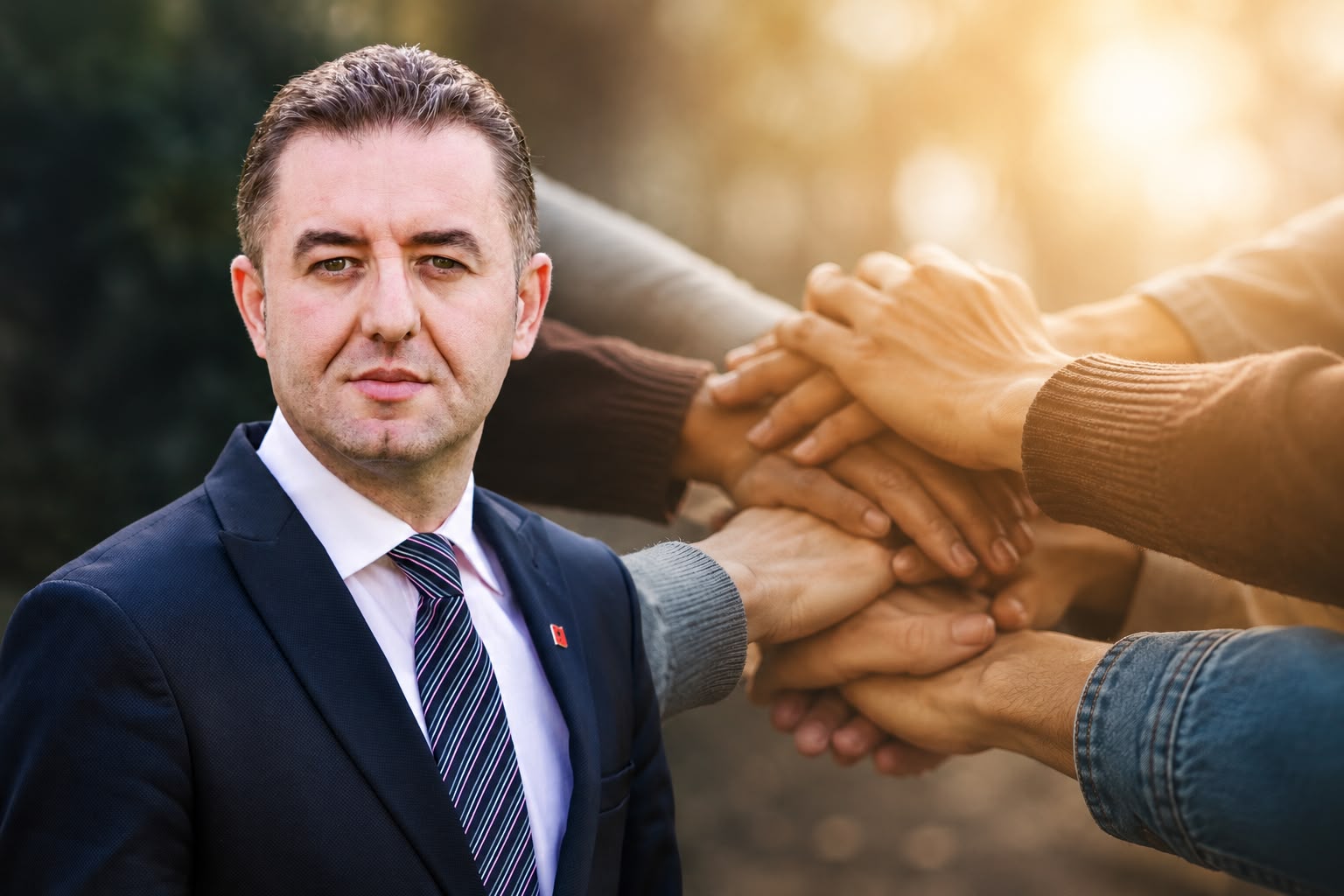
By Prof. Assoc. Dr. Bledar Kurti

The twenty-first century was supposed to become the age of tolerance. Instead, it is increasingly becoming the age of polarization.

Across continents, societies are witnessing a dangerous normalization of religious hostility. Antisemitism is reaching levels unseen in generations. Islamophobia is becoming more visible in public discourse and political rhetoric. Anti-Christian attacks, particularly against churches and Christian communities, continue to rise in several regions. 

These trends are often treated as separate problems. They are not. They are different faces of the same crisis: the collapse of our ability to see the humanity of those who believe differently.

History teaches us an uncomfortable lesson. Hatred never remains confined to one target. Once society accepts prejudice against one religious community, it gradually becomes easier to justify prejudice against another. The victim changes; the mechanism remains the same.

The evidence is alarming. In the United States, the Anti-Defamation League recorded more than 9,300 antisemitic incidents during 2024—the highest number since it began collecting data nearly half a century ago. The organization also reported that antisemitic incidents increased dramatically over the past decade, while attacks connected to tensions surrounding the Israel-Hamas conflict became a significant driver of hostility.

Meanwhile, organizations monitoring anti-Muslim discrimination have documented sharp increases in reports of Islamophobia following the same conflict, with thousands of complaints ranging from harassment to discrimination and violent attacks.

Christian communities are not immune either. Across Europe and parts of Africa and the Middle East, churches have been vandalized, worshippers attacked, and religious symbols desecrated. France alone reported a notable increase in anti-Christian incidents during 2025, prompting heightened security around places of worship.

These numbers represent more than statistics. They represent ordinary people who increasingly feel unsafe simply because of their faith.

Yet the greatest danger lies elsewhere.

Social media has transformed disagreement into identity warfare. Algorithms reward outrage, not understanding. Every international conflict rapidly becomes a domestic religious confrontation. Every tragedy becomes an opportunity to generalize guilt. Every extremist act becomes evidence, in someone’s eyes, that an entire religion is dangerous.

The result is a vicious cycle. Some respond to antisemitism by embracing Islamophobia. Others react to Islamophobia by tolerating antisemitic narratives. Still others dismiss growing hostility toward Christians because it does not fit their preferred political framework.

This selective morality is precisely what allows hatred to grow. The principle should be remarkably simple: if hatred against one religion is unacceptable, hatred against every religion must be unacceptable. Human dignity cannot be selective.

Unfortunately, many political movements have begun treating religious communities not as fellow citizens but as symbols of ideological battles. Jews become representatives of Middle East politics. Muslims become representatives of terrorism. Christians become representatives of colonialism or cultural conservatism. None of these reductions reflects reality.

No individual should carry collective responsibility for crimes committed by others who happen to share the same religion. 

This is precisely where the world should pay closer attention to an often-overlooked country on Europe’s southeastern edge. Albania.

International discussions frequently describe Albania through the lenses of a small country in the Balkans or European Union accession. Rarely is it recognized for one of its greatest contributions to modern civilization: a centuries-old culture of religious coexistence.

Albanians belong to different faiths. Muslims, Catholics, Orthodox Christians, Protestants and members of the Bektashi order have lived together for generations not because they erased their religious identities but because they developed a stronger civic identity alongside them.

Religious holidays are celebrated across communities. Families often include members of different faith traditions. Places of worship stand within walking distance of one another. Most importantly, religious identity has never been weaponized for political mobilization.

During the Holocaust, Albania became the only European country with more Jews after the Second World War than before it began. Guided by the moral code of Besa, Albanian families, Muslim and Christian alike, risked their own lives to protect Jewish refugees from Nazi persecution.

That chapter should not be remembered merely as an episode of Albanian history. It should be studied as a model of moral courage.

The lesson is profound. People protected one another not because they shared the same religion, but because they shared the same humanity.

Today’s world desperately needs that philosophy. Of course, Albania is not perfect. Like every democratic society, it faces political divisions, social tensions and the influence of global polarization through digital media. But it still demonstrates something increasingly rare: religious diversity without religious conflict.

That achievement deserves international attention. Governments cannot legislate mutual respect into existence. Technology companies cannot moderate every hateful message. Security services cannot arrest every extremist before violence occurs. Ultimately, the strongest defense against religious hatred is cultural. It begins in schools that teach history honestly rather than selectively. It continues through political leaders who refuse to exploit religious identities for electoral gain. It depends on media that distinguish individuals from entire communities. And it flourishes in societies where neighbors know one another before they judge one another.

The future of democratic civilization will not be determined solely by military alliances or economic growth. It will also depend on whether free societies preserve something more fundamental: the conviction that every human being deserves equal dignity regardless of the way they pray, or whether they pray at all.

If the world continues normalizing antisemitism, Islamophobia or anti-Christian hatred depending on political convenience, polarization will deepen and democracy itself will weaken. But if humanity chooses a different path, one built on equal respect rather than selective outrage, it will discover that peaceful coexistence is not an impossible dream. It already exists.

For generations, it has existed in Albania.

It is time the world learned from it.

/Argumentum.al

© 2026 Argumentum

Related Posts

Current Events

Albanian Opposition Leader Sali Berisha to Return to U.S. Five Years After Entry Ban

1 September, 2026
ENGLISH

The Illyrians, Skanderbeg and Religion: Anatomy of an Identity War

1 September, 2026
ENGLISH

Council of Albanian Ambassadors, supports the candidacy of Ambassador Bekim Sejdiu for President of the Republic of Kosova.

31 August, 2026

Follow US

Subscribe

Receive Argumentum Magazine by Email

Last Posts

Albanian Opposition Leader Sali Berisha to Return to U.S. Five Years After Entry Ban

1 September, 2026

The Illyrians, Skanderbeg and Religion: Anatomy of an Identity War

1 September, 2026

Council of Albanian Ambassadors, supports the candidacy of Ambassador Bekim Sejdiu for President of the Republic of Kosova.

31 August, 2026

Bekim Sejdiu Named Consensus Candidate for Kosovo Presidency

31 August, 2026

Germany Reacts to Iceland’s Rejection of EU Talks: “The EU Must Become More Attractive”

31 August, 2026
Argumentum

“Argumentum”, një proces intelektual …

Contact Us

[email protected]
[email protected]
[email protected]

Follow Us

Media Partner

Register

Receive Argumentum Magazine by Email
  • Home
  • Privacy Policy
  • About Us
  • Contact

© 2022 Argumentum. All Rights Reserved. | NUIS: L91415033Q

Welcome Back!

Login to your account below

Forgotten Password?

Retrieve your password

Please enter your username or email address to reset your password.

Log In

Add New Playlist

No Result
View All Result
  • Home
  • OP/ED
  • Interview
  • Realpolitik
  • Current Events
  • Top News
  • YOUR VOICE
  • ARGUMENTUM MAGAZINE
  • Shqip

© 2022 Argumentum. All Rights Reserved. | NUIS: L91415033Q

This website uses cookies. By continuing to use this website you are giving consent to cookies being used. Visit our Privacy and Cookie Policy.