








• SHQIPËRI
  • KOSOVË
  • MAQEDONIA E VERIUT
  • MALI I ZI
  • Revista në PDF
24 July, 2026
  • Home
  • OP/ED

    The Self-Inflicted Decoupling: How U.S. Immigration Policy Is Ceding the Tech Edge to China

    The Blueprint Does Not Stop at the Drina

    The Underlying Logic behind China’s Economic Success

    Do Not Misuse the U.S. Declaration of Independence to Justify the Narrative of Insurrection in Albania

    The visit that changed Albania’s strategic future

    Pierre Nora and the institution of memory we lack in Eastern Europe

    The Blueprint of a Diplomatic Debacle: Analyzing Germany’s Historic UNSC Loss

    Between Russia, Iran and Europe: Azerbaijan as a balancing power in the South Caucasus

    The Zero-Tariff Gate: Sovereignty as a Service in the Sino-African Corridor

  • Interview

    Exclusive Interview with Oleksandr Tyshchenko: A 40-Year Legacy of Chernobyl, Nuclear Risks, and Global Responsibility

    INTERVIEW: ZLATKO KRAMARIĆ – THOUGHTS ON THE OLD CONTINENT

    EXCLUSIVE / Ukrainian Ambassador to Albania, Volodymyr Shkurov: “Ukraine wants peace, but not at the expense of its freedom and independence”

    EXCLUSIVE| Ambassador Tayyar Kagan Atay: Türkiye and Albania, a Strategic Partnership Rooted in Shared Heritage and a Common Vision for the Future

    “Diplomacy, Not War”: Palestinian Ambassador to Albania Calls for Justice, Peace, and Global Action for Gaza

    Exclusive: “Even After Tito – Tito”/ Ambassador Zlatko Kramarić on Authoritarian Legacies and Democracy’s Future in the Balkans

    The Conclusion of the Diplomatic Mission / Ambassador Dancho Markovski: Strengthening Albania-North Macedonia Relations for a Shared European Future

    A Century of Diplomatic Relations Between Albania and Russia: Exclusive Interview with the Russian Ambassador to Albania, H.E. Alexey Zaytsev

    Exclusive/ The chairman of the Freedom Party, Ilir Meta: “The will of the citizens will triumph in Albania, as it did in North Macedonia”

  • Realpolitik

    The Summit of Unity! Think of peace and prepare for war! It’s only the start to the end! Just a pause between two wars!

    Peace with war diplomacy! The protest,  image and tourism! Why this silence from the EU Commission and Council? A deal or a pause?

    Just kind words  in Tivat! Where is the peace!? A deal yes, peace No!What is happening with USA and  EU?  5 elections but no solution!

    IBAR? ”Sufficiently! Much ado about nothing! Shart contrasts in Beijing! Where is the exit?!

    Neither peace nor war! Peace with bombs?! IBAR in autumn?! Not another Hormuz in Taivan! 

    IBAR – a springing board or an obstacle? Can we catch the EU Negotiation train 2027? When the dress makes the news!  EU electoral April  ends in a draw 1:1!  

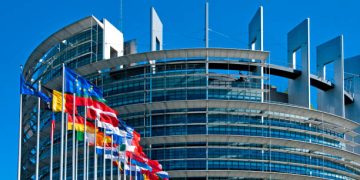
    The European Parliament building in Strasbourg, France with flags waving calmly celebrating peace of the Europe. July 12, 2020.

    EU 2027 or 2037! Even half membership failed! No exit strategy!     

    What next?

    “With diplomatic velvet“! Major question marks! In Washington yes, but  in the White House NO! A strange dinner in Brussels!

  • Current Events

    Who Is Interested in War in the Balkans?

    From Calculating Executions to Justifying Ethnic Cleansing

    When Algorithm Becomes the Most Powerful Manipulator: The Case of the Protests in Tirana

    NATO Summit in Ankara: Allies Adopt Declaration Reaffirming Collective Defence and Long-Term Security Commitments

    The Diplomacy of Gas and Algorithms: The Nuances of Official Tirana—Is It Breaking the European Taboo with Azerbaijan?

    Protection for Serbs, or Protection for Radoicic?

    The Architecture of Selective Sovereignty:Corporate Immunity, Technological Protectionism, and the Erosion of Credibility

    Montenegro’s Unfinished Transition

    The Paradox of Selective Capitalism: How Western Rule-Breaking Accelerates Its Own Systemic Demise

  • Top News

    The Council of Albanian Ambassadors condemns chauvinistic rhetoric by Serbian officials and calls for diplomatic action

    NATO at Ankara 2026: Strategic Rebalancing Between Russia Deterrence, Turkey’s Rise, and National Interests

    Daniel Serwer: A Bad War Ending Badly May Still Be Good News

    Friedrich Merz, Keir Starmer, António Costa, Donald Trump, Emmanuel Macron, Mark Carney, Ursula von der Leyen, Giorgia Meloni and Sanae Takaichi

    G7 Leaders Gather in Évian Amid Global Uncertainty, Focus on Security, Economy and International Cooperation

    Russian Ambassador in Tirana: “Without a Strong and Sovereign Russia, the Creation of a Just World Order Is Impossible”

    “The Flamingo Revolution”: Day 10 of Protests in Albania Draws International Attention

    Rama alleges ‘hybrid war’ behind protests against Kushner-linked coastal development

    No End in Sight: Trump, Netanyahu and the Expanding Middle East War

    Tirana – €20 Million EU–Banking Agreement Boosts Albanian SMEs

  • YOUR VOICE
  • Shqip
No Result
View All Result
Argumentum
  • Home
  • OP/ED

    The Self-Inflicted Decoupling: How U.S. Immigration Policy Is Ceding the Tech Edge to China

    The Blueprint Does Not Stop at the Drina

    The Underlying Logic behind China’s Economic Success

    Do Not Misuse the U.S. Declaration of Independence to Justify the Narrative of Insurrection in Albania

    The visit that changed Albania’s strategic future

    Pierre Nora and the institution of memory we lack in Eastern Europe

    The Blueprint of a Diplomatic Debacle: Analyzing Germany’s Historic UNSC Loss

    Between Russia, Iran and Europe: Azerbaijan as a balancing power in the South Caucasus

    The Zero-Tariff Gate: Sovereignty as a Service in the Sino-African Corridor

  • Interview

    Exclusive Interview with Oleksandr Tyshchenko: A 40-Year Legacy of Chernobyl, Nuclear Risks, and Global Responsibility

    INTERVIEW: ZLATKO KRAMARIĆ – THOUGHTS ON THE OLD CONTINENT

    EXCLUSIVE / Ukrainian Ambassador to Albania, Volodymyr Shkurov: “Ukraine wants peace, but not at the expense of its freedom and independence”

    EXCLUSIVE| Ambassador Tayyar Kagan Atay: Türkiye and Albania, a Strategic Partnership Rooted in Shared Heritage and a Common Vision for the Future

    “Diplomacy, Not War”: Palestinian Ambassador to Albania Calls for Justice, Peace, and Global Action for Gaza

    Exclusive: “Even After Tito – Tito”/ Ambassador Zlatko Kramarić on Authoritarian Legacies and Democracy’s Future in the Balkans

    The Conclusion of the Diplomatic Mission / Ambassador Dancho Markovski: Strengthening Albania-North Macedonia Relations for a Shared European Future

    A Century of Diplomatic Relations Between Albania and Russia: Exclusive Interview with the Russian Ambassador to Albania, H.E. Alexey Zaytsev

    Exclusive/ The chairman of the Freedom Party, Ilir Meta: “The will of the citizens will triumph in Albania, as it did in North Macedonia”

  • Realpolitik

    The Summit of Unity! Think of peace and prepare for war! It’s only the start to the end! Just a pause between two wars!

    Peace with war diplomacy! The protest,  image and tourism! Why this silence from the EU Commission and Council? A deal or a pause?

    Just kind words  in Tivat! Where is the peace!? A deal yes, peace No!What is happening with USA and  EU?  5 elections but no solution!

    IBAR? ”Sufficiently! Much ado about nothing! Shart contrasts in Beijing! Where is the exit?!

    Neither peace nor war! Peace with bombs?! IBAR in autumn?! Not another Hormuz in Taivan! 

    IBAR – a springing board or an obstacle? Can we catch the EU Negotiation train 2027? When the dress makes the news!  EU electoral April  ends in a draw 1:1!  

    The European Parliament building in Strasbourg, France with flags waving calmly celebrating peace of the Europe. July 12, 2020.

    EU 2027 or 2037! Even half membership failed! No exit strategy!     

    What next?

    “With diplomatic velvet“! Major question marks! In Washington yes, but  in the White House NO! A strange dinner in Brussels!

  • Current Events

    Who Is Interested in War in the Balkans?

    From Calculating Executions to Justifying Ethnic Cleansing

    When Algorithm Becomes the Most Powerful Manipulator: The Case of the Protests in Tirana

    NATO Summit in Ankara: Allies Adopt Declaration Reaffirming Collective Defence and Long-Term Security Commitments

    The Diplomacy of Gas and Algorithms: The Nuances of Official Tirana—Is It Breaking the European Taboo with Azerbaijan?

    Protection for Serbs, or Protection for Radoicic?

    The Architecture of Selective Sovereignty:Corporate Immunity, Technological Protectionism, and the Erosion of Credibility

    Montenegro’s Unfinished Transition

    The Paradox of Selective Capitalism: How Western Rule-Breaking Accelerates Its Own Systemic Demise

  • Top News

    The Council of Albanian Ambassadors condemns chauvinistic rhetoric by Serbian officials and calls for diplomatic action

    NATO at Ankara 2026: Strategic Rebalancing Between Russia Deterrence, Turkey’s Rise, and National Interests

    Daniel Serwer: A Bad War Ending Badly May Still Be Good News

    Friedrich Merz, Keir Starmer, António Costa, Donald Trump, Emmanuel Macron, Mark Carney, Ursula von der Leyen, Giorgia Meloni and Sanae Takaichi

    G7 Leaders Gather in Évian Amid Global Uncertainty, Focus on Security, Economy and International Cooperation

    Russian Ambassador in Tirana: “Without a Strong and Sovereign Russia, the Creation of a Just World Order Is Impossible”

    “The Flamingo Revolution”: Day 10 of Protests in Albania Draws International Attention

    Rama alleges ‘hybrid war’ behind protests against Kushner-linked coastal development

    No End in Sight: Trump, Netanyahu and the Expanding Middle East War

    Tirana – €20 Million EU–Banking Agreement Boosts Albanian SMEs

  • YOUR VOICE
  • Shqip
No Result
View All Result
Argumentum
No Result
View All Result
Home ENGLISH

Euractive/USA is increasingly problematic, EU should restore ties with Russia

29 January, 2020
in ENGLISH, English OP/ED
A A
Share on FacebookShare on Twitter

Washington, the European Union’s main ally, has in recent years earned the reputation of a country that creates rather than solves problems. But the EU ca

n now normalise and restore recently broken relations with Russia, which has been and will remain an inseparable part of Europe, writes Anvar Azimov.

Anvar Azimov is the Russian ambassador to Croatia. This open letter was first published on EURACTIV.hr after Croatia assumed the presidency of the Council of the EU.

Taking the presidency of the Council, Croatia has assumed a very responsible duty during this turbulent time. The EU’s tasks today are quite complex, from strengthening competitiveness in the fight for the world markets, stimulating energy-climate transition, tackling instability in the Middle East, which could cause new “migration waves” but also greatly disrupt European security, all the way to a complicated situation in Ukraine.

The additional internal problems plaguing the EU – the crisis of the euro, Brexit, the decline in quality of life and the extinction of the middle class, one of the most important pillars of the economy – contribute to addressing these challenges.

In such circumstances, any outside help can play a decisive role. Unfortunately, the European Union’s main ally, the United States of America, has in recent years earned the reputation of a country that creates rather than solves problems.

US interference in the situation in Libya and Syria has led to the destabilisation of the entire Middle East region, and a wave of refugees has engulfed Europe. During the US presence in Afghanistan, it did not strengthen stability in that country while opium production increased several dozen times.

US sanctions against Iran have forced the EU to consider options for de-dollarising its foreign trade and creating an alternative payment system. When it comes to NATO, Washington is asking its European allies to increase defence spending so they can buy more expensive US weapons. Also, the US is no stranger to eavesdropping on European leaders.

At the same time, the EU now can normalise and restore recently broken relations with Russia. Moscow and Brussels remain important trade and economic partners and largest neighbours, capable of independently bearing a shared responsibility for peace, prosperity and security in this part of Eurasia.

Moscow’s successful experience in the Middle East has strengthened Russia’s reputation as a country capable of solving even the most complicated problems. Geographically, historically, economically and culturally, Russia has been, is, and will remain an inseparable part of Europe.

Beginning in 1989, Moscow and Brussels worked on long-term projects that, if realised, should bring tangible benefits to all residents of the European continent.

They talked about facilitating mutual travel conditions, establishing cooperation in the fight against terrorism and organized crime, coordinating efforts to regulate regional conflicts, forming an energy union and more. Unfortunately, this partnership has not evolved over the years, which is a great pity.

One of the reasons is the West’s unwillingness to cooperate with Russia on an equal level. The entire history of Western Europe’s foreign policy after the end of the Cold War has been about disrespecting the rights and interests of the weaker and more dependent.

Croatia has experienced it first-hand. However, unlike the small and medium-sized European countries, the EU factor was not so crucial for Russia.

Moscow needed European technologies, investments and even loans. Europe, on the other hand, offered Russia only and exclusively a vassal-senior relationship, which resulted in worsening of the relations.

Besides, the EU has for years worked to separate Russia from its closest neighbours, with whom it has been linked for centuries, forcing those countries to choose between the EU and Russia, which ultimately led to tragedy in Ukraine.

The situation in Ukraine has also resulted in sanctions that the EU imposed on Russia, which, according to Western experts, consequentially created a loss of at least €50 billion a year – not counting the loss of several thousand jobs.

If the sanctions had not been imposed, trade between Russia and the EU could reach $500 billion, comparable to the volume of trade that the EU has with the US or China. The escalation of hysteria over the so-called Russian threat has led to an increase in the annual spending of European countries on defence for tens of billions of euros that could have been used on schools, hospitals, economic support.

Using fabricated reasons, the US is pushing Europe to buy more expensive American liquefied gas (LNG) instead of cheaper Russian gas, which inevitably increases the purchase price of all European products and reduces their competitiveness in the market.

EU confrontations with Russia often lead to absurdities, and the example of this is the technological underdevelopment of the Polish railway, which creates an obstacle to the development of transport-logistical cooperation between the EU and China. The Polish leadership is still not ready to enter the project because it requires cooperation with Russia.

But more and more Russian partners are realising the abnormality of this situation. They consider Ukraine as the primary obstacle to the normalization of relations.

The problem is that preserving instability in the Donbas is of benefit to Ukrainian nationalists because they see that sanctions punish Moscow, not Kyiv, even though we are not a party in the conflict and not even mentioned in the Minsk Agreement.

Using the Ukrainian crisis, the individual countries of Eastern Europe and the Baltic States want to involve the United States in the arms race in the region and strengthen their role on the international scene.

The return of Donbas into the Ukrainian system under the Minsk Agreement is not desirable in Washington either because part of the US elite uses that to pressure Russia and control Kyiv, but also to influence Europe. Ultimately, the US military industry is also making a profit if the situation is developing in that direction.

The EU’s position regarding Crimea is not at all logical. If it was “aggression” and the whole population of the territory were “victims of annexation”, why did Brussels de facto forbid them from visiting EU countries, refuse to recognise Russian passports issued in Crimea, impose restrictions on business and limit contacts with the peninsula, as well as flights and use of seaports_

The EU has completely ignored the fact that the Ukrainian leadership has cut the supply of elementary resources to the people of Crimea: drinking water, electricity, food.

It should be noted that in recent months there have been some developments regarding the Donbas. It is not the result of EU sanctions, but changes in Ukraine’s leadership.

What former President Petro Poroshenko has sabotaged over the past five years, the incumbent president has been able to partially accomplish over several months. Progress on the Donbas is also recognised in Brussels.

This year allows resuming active diplomatic dialogue between Europe and Russia, as well as to restore normal political and trade-economic ties.

In this regard, Croatia, as a country currently holding the EU Council Presidency, has a unique opportunity to invite other EU member states to improve their bilateral relations with Russia.

For the survival in this modern, turbulent world, cooperation between countries is extremely important. It depends on Europe whether cooperation will be on a partner basis or not.

We sincerely hope that Zagreb will make the first concrete steps on the path of normalisation and development of these relations. We are counting on it. Improving our cooperation is as necessary as ever and historically inevitable.

© Argumentum
Related Posts

ENGLISH

Public Administration and Civic Engagement in the Western Balkans: From Macro-Politics to Procedural Accountability

24 July, 2026
ENGLISH

A constant in an era of radical change

22 July, 2026
ENGLISH

Azerbaijan’s Policy in the Middle East: ties, overlaps, and divergences

22 July, 2026

Follow US

Subscribe

Receive Argumentum Magazine by Email

Last Posts

Public Administration and Civic Engagement in the Western Balkans: From Macro-Politics to Procedural Accountability

24 July, 2026

A constant in an era of radical change

22 July, 2026

Who Is Interested in War in the Balkans?

22 July, 2026

Azerbaijan’s Policy in the Middle East: ties, overlaps, and divergences

22 July, 2026

The Summit of Unity! Think of peace and prepare for war! It’s only the start to the end! Just a pause between two wars!

20 July, 2026
Argumentum

“Argumentum”, një proces intelektual …

Contact Us

[email protected]
[email protected]
[email protected]

Follow Us

Media Partner

Register

Receive Argumentum Magazine by Email
  • Home
  • Privacy Policy
  • About Us
  • Contact

© 2022 Argumentum. All Rights Reserved. | NUIS: L91415033Q

Welcome Back!

Login to your account below

Forgotten Password? Sign Up

Create New Account!

Fill the forms bellow to register

*By registering into our website, you agree to the Terms & Conditions and Privacy Policy.
All fields are required. Log In

Retrieve your password

Please enter your username or email address to reset your password.

Log In

Add New Playlist

No Result
View All Result
  • Home
  • OP/ED
  • Interview
  • Realpolitik
  • Current Events
  • Top News
  • YOUR VOICE
  • Shqip

© 2022 Argumentum. All Rights Reserved. | NUIS: L91415033Q

This website uses cookies. By continuing to use this website you are giving consent to cookies being used. Visit our Privacy and Cookie Policy.