





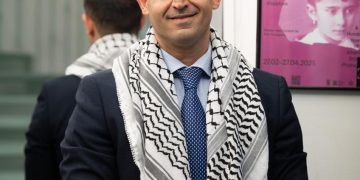



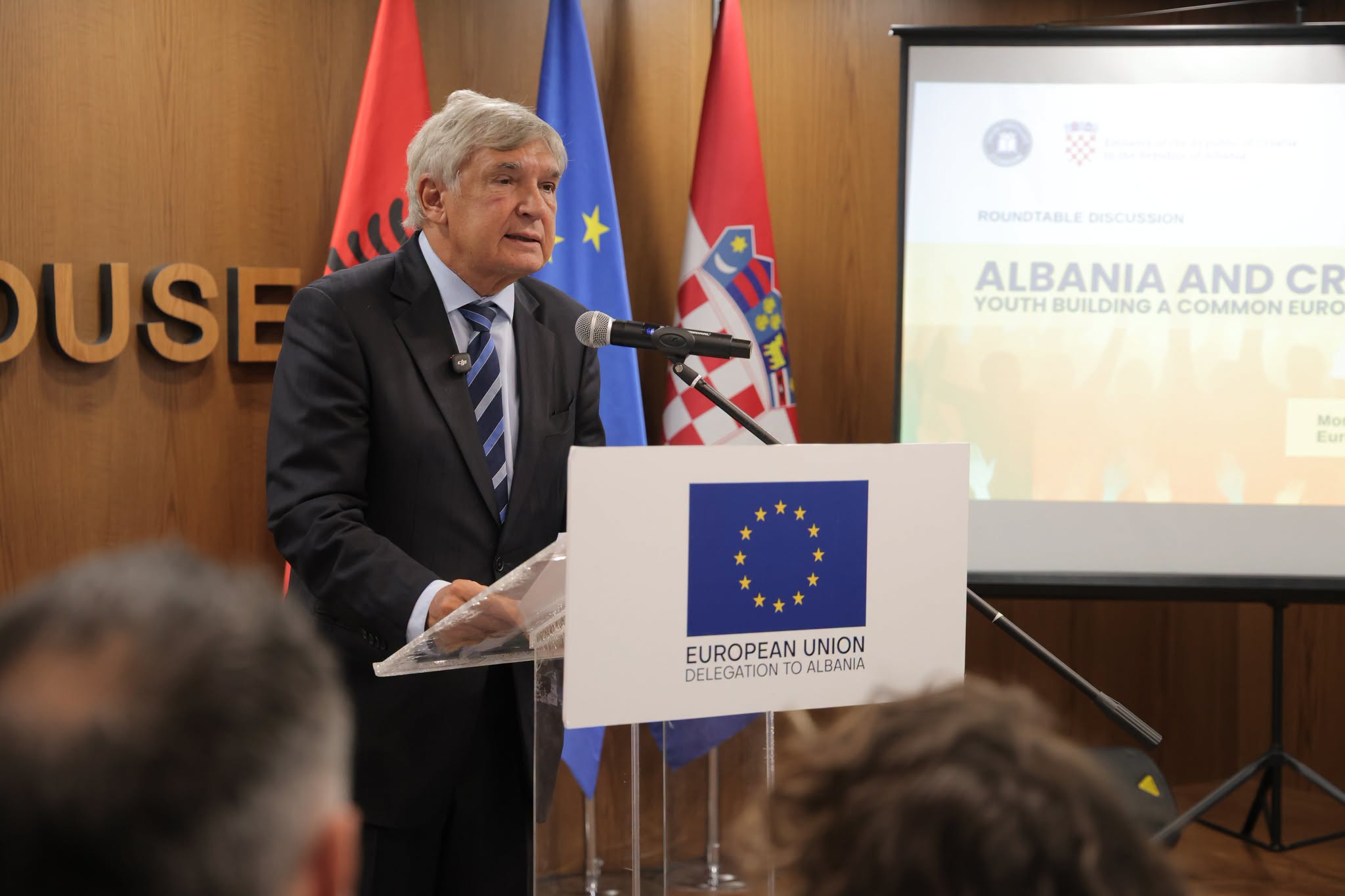
Croatian Ambassador H.E. Zlatko Kramarić to Albanian Students: “Do Not Wait for Europe to Change You. Change Your Country First”
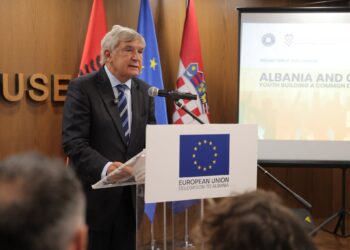
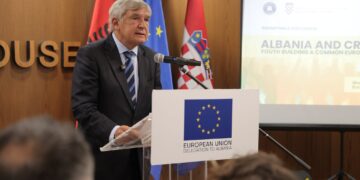
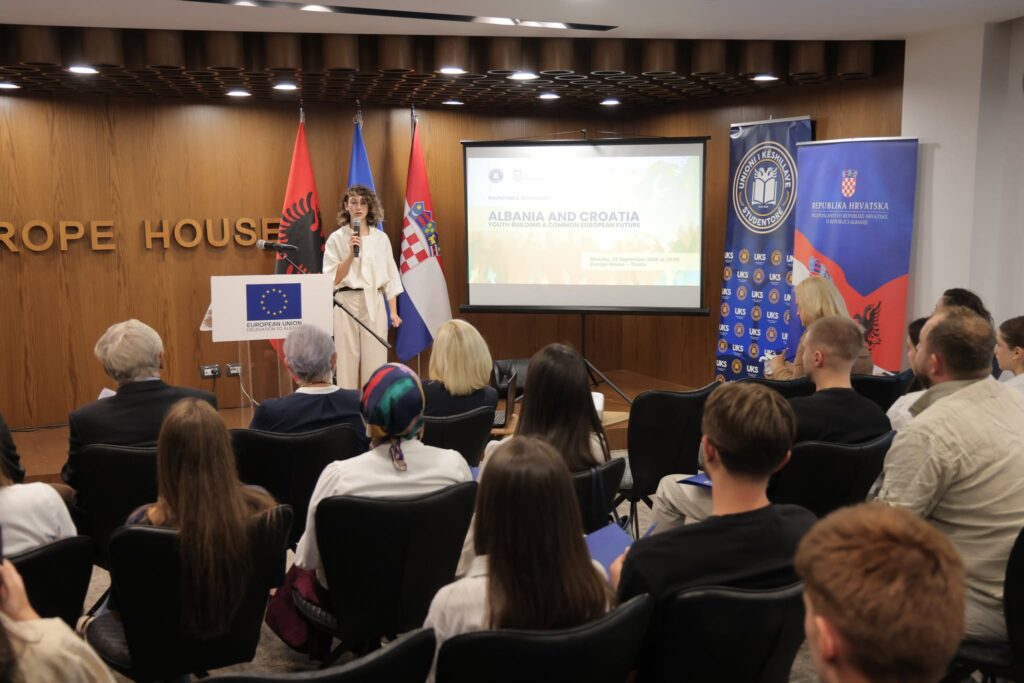
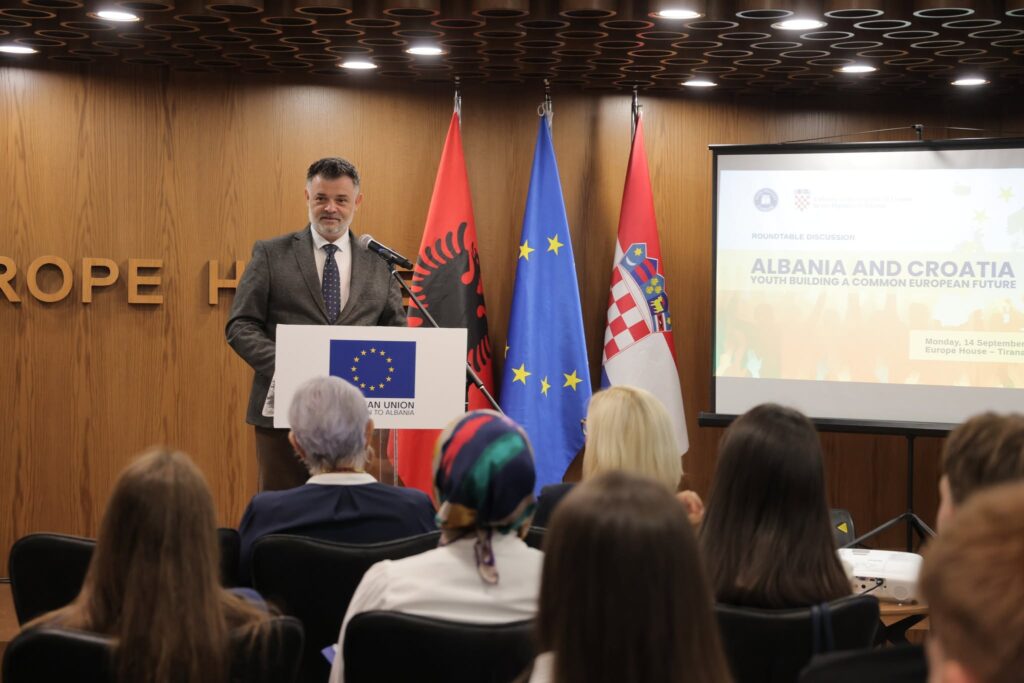
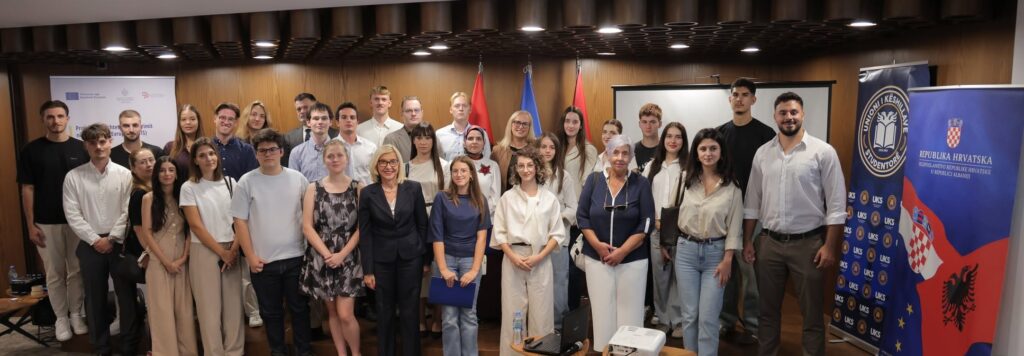
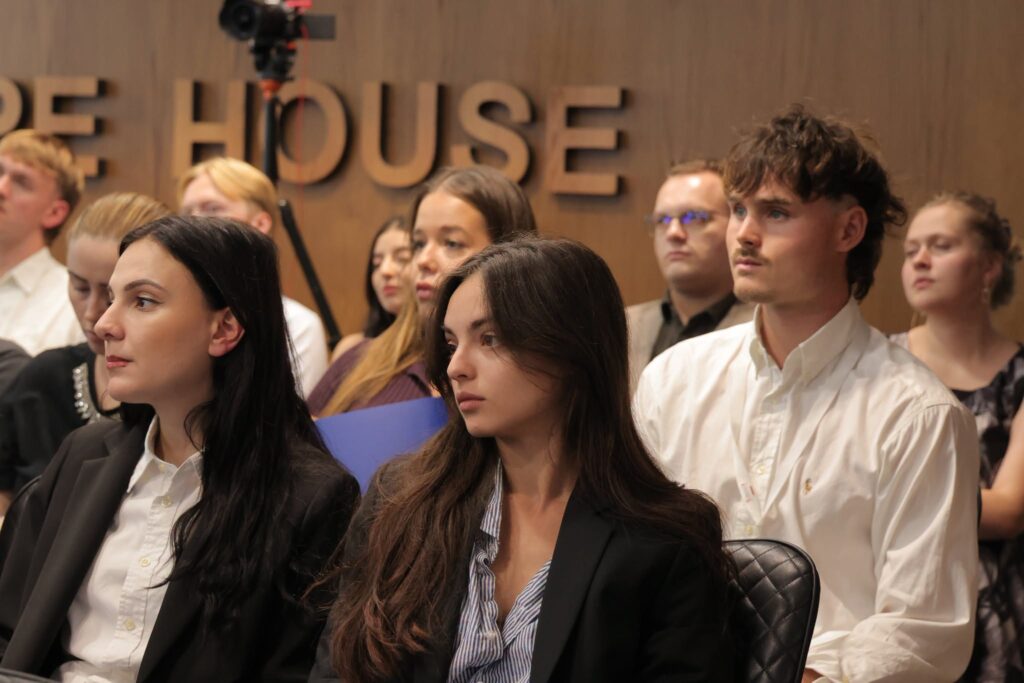
TIRANA – The role of young people in Albania’s European integration process, Croatia’s experience on its path towards European Union membership, and the importance of democracy, reforms and European values were at the centre of the event “Albania and Croatia: Young People Building a Common European Future.”
The event was organized by the Union of Student Councils and the Embassy of the Republic of Croatia in Albania, in cooperation with the EUIS project, funded by the European Union.
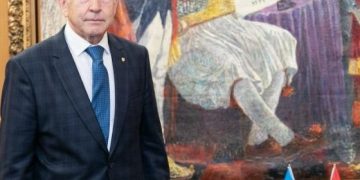
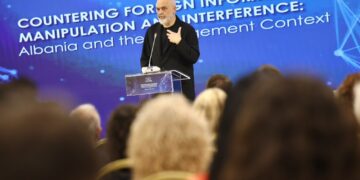
Addressing students and young people, the Croatian Ambassador H.E. Zlatko Kramarić shared his country’s experience on its path towards EU membership, emphasizing that European integration is not only a matter for governments and institutions, but a process that requires the active participation of citizens.
In his remarks, the Ambassador underlined the important role of Albania’s younger generation in completing the country’s transition towards a functioning European democracy. He called on students to demand independent institutions, free media, the fight against corruption, transparency and equal opportunities.
A central part of his message was the idea of the “European spirit”, which, he argued, goes beyond bureaucracy, procedures and the implementation of European rules.
His message to Albanian students was clear: Albania should not wait for Europe to change it. It should change itself and allow Europe to be its partner in that process.
The Ambassador’s remarks to students:
The European Spirit and Albania’s European Future
I will start by saying that I have been a university professor for more than 48 years, and students have always been my most natural environment and among my best interlocutors.
That is exactly why I believe you are the best audience to whom I can speak openly and freely, within the framework of diplomatic protocol and consideration. When I look back at my professional and personal life, I can honestly say that meeting and working with young people has always been one of the most beautiful parts of my life.
That is why I am especially happy to be here with you today.
You are the future of Albania. But you are not only the future of Albania – you are also the future of the Europe to which Albania wants to belong.
Croatia has gone through the path that Albania is travelling today. It was not always an easy journey. There were reforms, political conflicts, disappointments, delays and mistakes. But there was also a growing understanding that a society can change for the better when there is political will and, even more importantly, when citizens see that process as their own.
And this is my first message to you:
European Union membership is not only a matter for governments, Brussels, negotiating chapters and European institutions. It is, above all, a matter for citizens.
And that is why you, the young people of Albania, have a very important role to play.
You can – and you should – put pressure on your politicians, your Government and your Parliament.
Not through aggression or political hatred, but through knowledge, arguments, public engagement and democratic participation.
Albanian society is trying to complete its transition – the transition from an authoritarian past to a real European democracy.
And you are the generation that will complete that transition.
That is both a privilege and a responsibility. The two always go together.
You did not create the problems of the past. But you have inherited the responsibility of building something better.
And I am convinced that, one day, when you look back at this period, you will not only say:
“We became members of the European Union.”
You will be able to say something much more important:
“We helped change our society.”
Ask your politicians for what the European Union is asking for: not something extraordinary, but a normal, functioning and accountable democracy.
An independent judiciary. Free and independent media. A serious fight against corruption. Transparent institutions. Equal opportunities for all citizens. A public administration that serves citizens rather than political parties.
And please do not accept the idea that reforms are some kind of burden that Albania must carry simply because Brussels is asking for them.
You undertake these reforms so that your institutions work better, so that the law is the same for everyone, so that young people have opportunities, so that talent matters more than connections, and so that citizens can trust their institutions.
This is why I would like us to speak not only about what are often called “European values”, but about something I prefer to call the European spirit.
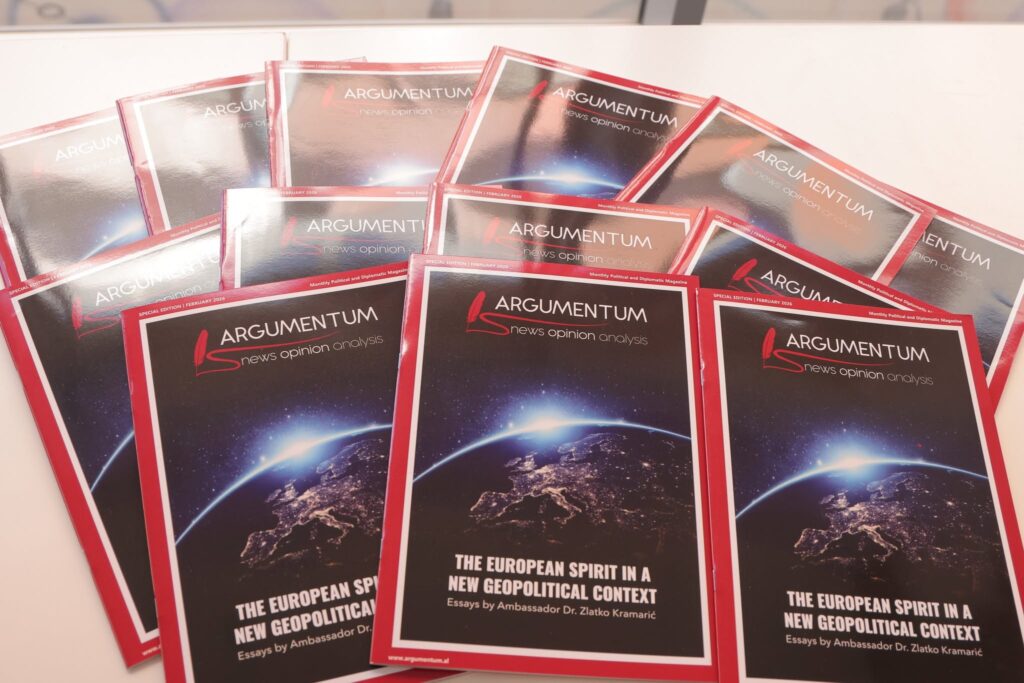
I have good news for you: I have just finished working on a manuscript about precisely that subject – the European spirit.
I understand that the book will also be translated into Albanian. I am still waiting for final confirmation from the publisher.
But you do not have to wait for the book.
Fifteen essays from it have already been published in Argumentum magazine, beginning on February 5 of this year, on the initiative of journalist and magazine editor Marjana Doda.
She, like me, believes that the idea of the European Union is based on the European spirit, and not only on bureaucracy that requires certain protocols to be respected and fully incorporated into Albanian legislation.
Reforms are not a punishment. Reforms should be a source of satisfaction and opportunity for citizens.
Why?
Because an independent judiciary is not a European gift – it is your right.
Free media are not a condition imposed on you by Europe – they are the foundation of democracy.
The fight against corruption is not something you should do for the European Commission – you should do it for yourselves, your families and your future.
And when Albania eventually joins the European Union, membership will not solve all your problems. No country enters the EU and suddenly becomes perfect.
But membership changes the rules of the game.
It creates more opportunities for education, mobility, entrepreneurship, investment and freedom of movement. It gives young people the opportunity to study in another European country, work there, travel, start a business, experience other cultures – and then bring that knowledge and experience back home.
Croatia gained a great deal from EU membership. But we also learned that membership itself is not enough. Democracy has to be defended and renewed every day.
So let me leave you with a very simple thought:
Do not wait for Europe to change you. Change your country first – and let Europe be your partner in that process.
And one more thing.
Do not be merely the generation that will one day say:
“Albania joined the European Union.”
Be the generation that will be able to say:
“We helped Albania become a European democracy.”
That is much more important.
This is what I mean when I speak about the European spirit.
Eighty years ago, in September 1946, Winston Churchill stood at the University of Zurich and spoke to a Europe that had just emerged from two catastrophic world wars.
His message was remarkably simple: Europe had to find a way to transform its different nations from historic rivals into a community.
He called for a kind of “United States of Europe” and concluded his appeal with the words:
“Let Europe arise!”
Eighty years later, that sentence still sounds remarkably contemporary.
Europe today does not have to rise from the ruins of war in the way Churchill imagined in 1946. But it does have to remember why it was created in the first place.
© 2026 Argumentum