















By IFIMES
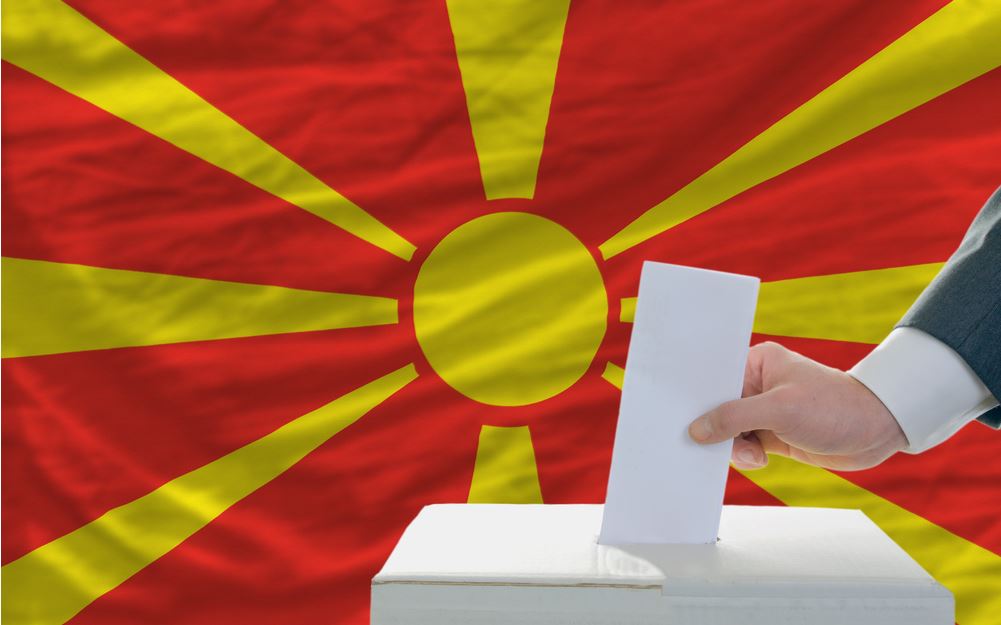
The Republic of North Macedonia will hold its eighth local elections since gaining independence on 19 October 2025, with a second round set for 2 November 2025. Voters will elect mayors in 81 local self-government units (80 municipalities and the capital city of Skopje). A total of 309 candidates are running for mayoral office, with women notably underrepresented, accounting for only 10.4% of all candidates.
The elections will be conducted in two rounds: the first on 19 October and the second on 2 November, should no candidate secure more than 50% of the votes. According to the national voter register, 1,832,415 citizens are eligible to vote, including those living abroad, as well as prisoners and residents of retirement homes. A total of 3,480 polling stations have been designated. The threshold for electing a mayor in the first round is a turnout of at least one-third of the total number of registered voters in the municipality or in the city of Skopje. If no candidate achieves the required majority, a run-off is held between the two candidates with the highest number of votes from the first round. The candidate who wins the most votes in the second round is declared elected. If, for any reason, the mayoral election cannot be completed after the second round, the State Election Commission (SEC) is required to notify the Government within 15 days of the conclusion of the elections. In such a case, the Government may appoint a commissioner.
Key political parties and coalitions: ● VMRO–DPMNE – Internal Macedonian Revolutionary Organisation – Democratic Party for Macedonian National Unity, the ruling party led by Hristijan Mickoski, has nominated 73 candidates, reaffirming its dominant position on the political scene. ● SDSM – the Social Democratic Union of Macedonia, the former ruling party, has nominated 70 candidates, seeking a return to the political arena. ● DUI – the Democratic Union for Integration, the largest Albanian party, remains crucial in coalition formation. ● The Left – a traditionally pro-Russian party with “dangerous intentions.” ● United Macedonia – a party occasionally aligned with pro-Russian positions. ● The VLEN Coalition brings together a new generation of the Albanian political elite in North Macedonia, seeking to end DUI’s dominance in Albanian-majority municipalities and to strengthen political influence through the local elections. ● Alliance for the Albanians – led by Arben Taravari, following its withdrawal from the ruling coalition, aims to consolidate its position. Its departure from government reflects internal tensions within the coalition and could influence the outcome of the elections.
These elections come amid growing political fragmentation and deep polarisation, factors likely to influence both voter turnout and the final result. Analysts observe that election campaigns seldom introduce new ideas, instead recycling familiar patterns from previous contests, while citizens continue to call for change.
Political context and significance of the elections
Local elections in North Macedonia are significant on several levels – not only as an instrument of democracy at the local level, but also as a barometer of the balance of power among major political parties ahead of potential parliamentary turbulence. For Albanian political actors, local elections often hold even greater weight than parliamentary ones, as their performance in municipalities with an Albanian majority can directly affect the political stability of the government in Skopje.
For this reason, the election races in Tetovo, Gostivar, Struga, Debar and Kičevo are of particular importance, as they will reveal the extent to which the balance of power between the main Albanian parties – the Democratic Union for Integration (DUI) led by Ali Ahmeti and the VLEN Coalition headed by Izet Mexhiti and Arben Taravari, the latter having recently withdrawn from the coalition– can be preserved or reshaped.
In many municipalities, particularly smaller ones, the results will hinge on local personalities, the influence of community leaders, the strength of campaign networks, and candidates’ visibility on the ground.
In the major cities and in Skopje, competition is expected to be more intense. VMRO–DPMNE has an opportunity to consolidate its position but cannot count on victory everywhere — SDSM and minority coalitions may yet deliver surprises, particularly in areas where dissatisfaction with local authorities is growing.
A significant number of municipalities may enter a second round, where the dynamics between the two leading candidates will be decisive — determining who can attract the votes of those eliminated in the first round and who can best mobilise their supporters.
Minority votes and coalitions will play a crucial role in municipalities with an Albanian majority, as well as in mixed ones, where coalition-building and negotiated alliances may prove decisive.
Should allegations of corruption, misuse of public resources and similar abuses be confirmed or amplified in the media, this could trigger public protests or lead to a significant decline in trust in the parties involved.
Populism and the paradoxes of power
North Macedonia’s NATO membership has further consolidated the country’s statehood. The Alliance now acts as a guarantor of the sovereignty and territorial integrity of the modern Macedonian state. By joining NATO, North Macedonia has effectively placed itself beyond the reach of regional expansionist ambitions — a factor of particular importance given the volatility of the region and the persistent security challenges it faces.
The current government of Hristijan Mickoski, formed after a period of prolonged political turbulence, increasingly displays populist tendencies. Rather than pursuing substantive reforms and tackling entrenched corruption, the authorities are focusing on symbolic, bureaucratic measures – such as introducing new licence plates for official vehicles and implementing GPS tracking of government cars – while crime and corruption continue to flourish.
This approach has fuelled mounting public distrust, leaving local communities struggling with underdeveloped infrastructure, weak governance and the chronic inefficiency of local administration.
These elections are widely regarded as a test of strength for both the ruling coalition and the opposition at the local level — will VMRO–DPMNE succeed in consolidating its power in the municipalities, and not only at the national level? The success or failure of minority parties and coalitions could also have wider implications for national stability, perceptions of minority rights, and political negotiations within the system, particularly on matters such as budgeting and decentralisation. The elections will also carry weight for the EU integration process, albeit behind the scenes. Transparency, adherence to electoral procedures, oversight, voting rights, representation and the prevention of abuses will all be closely scrutinised. A poor outcome could negatively influence assessments of the country’s progress on reforms.
Kočani Disco: a test for Mickoski’s government
The nightclub fire in Kočani on 16 March 2025, which claimed 63 lives and left dozens injured, has captured particular public attention. The tragedy laid bare deep-rooted systemic failings – ranging from the disregard of safety regulations to evident corruption in the issuing of permits and the oversight of hospitality venues.
Instead of a transparent and impartial investigation, the case quickly took on a political dimension. Numerous reports point to abuses of power and attempts to conceal the responsibility of officials linked to VMRO–DPMNE, while political opponents were arrested and charged in an apparent effort to divert public attention.
Many legal experts and civil society representatives have warned that investigative bodies and the prosecution acted selectively and under political pressure, with key evidence in the case reportedly “disappearing” or being improperly documented. As a result, the Kočani Disco case has become a serious liability for Prime Minister Hristijan Mickoski’s government – a symbol of irresponsibility and of attempts to exert political control over the judiciary and law enforcement institutions. In its latest report, the Venice Commission’s key recommendation was that the mandate of the public prosecutor should not be renewable. However, the Commission noted that this provision should be introduced through constitutional amendments rather than through the Law on Public Prosecution. It also recommended that the public prosecutor be appointed by a qualified – that is, two-thirds – majority in Parliament.
The Kočani tragedy has further eroded public trust in state institutions, becoming a metaphor for the country’s current state of affairs – a system in which political loyalty outweighs justice and professionalism.
This highlights the need for international monitoring and a comprehensive international investigation into the Kočani Disco case, to determine potential abuses by the current authorities and ensure justice for the victims. The Kočani Disco tragedy remains a serious liability for Mickoski’s government and a stark symbol of the state’s institutional and moral weakness.
The role of key political actors
North Macedonia’s political scene ahead of the 2025 local elections is defined by a complex balance of power between majority and minority parties, and by the interplay between seasoned leaders and a new generation of politicians. Within this context, the role of several key figures is crucial in shaping the election outcome, mobilising voters and determining the country’s future political stability. The IFIMES analysis suggests that each of these leaders operates within a distinct political framework, pursuing different strategies, degrees of influence and goals that directly affect electoral dynamics and potential coalition configurations.
- Hristijan Mickoski (VMRO–DPMNE) – seeks to consolidate power through populist rhetoric, yet without delivering meaningful reforms.
- Venko Filipče (SDSM) – embodies a moderate approach, although the party is grappling with an identity crisis and the loss of its urban voter base.
- Ali Ahmeti (DUI) – a leader who maintains dominance among the Albanian community but is increasingly challenged by a younger generation of politicians.
- Izet Mexhiti and Arben Taravari (VLEN) – represent the new generation of the Albanian political elite. As a former mayor of Gostivar, Arben Taravari wields direct influence at the local level and plays a strategic role in mobilising voters.
- Nikola Gruevski – though in exile, continues to exert indirect influence over VMRO–DPMNE and nationalist-leaning segments of the electorate.
Regional dimension and international context
Relations with neighbouring Bulgaria remain strained, particularly over identity issues and the ongoing blockade of European integration. The European Union has shown diminishing interest in North Macedonia, while the broader international community continues to adopt a largely passive stance. This has emboldened domestic political elites to act without fear of international repercussions.
At the same time, Kosovo’s Prime Minister Albin Kurti has gained increasing sway among Albanian voters in North Macedonia. His anti-corruption rhetoric and emphasis on national dignity resonate strongly with younger voters and has intensified pressure on traditional Albanian parties.
Problems with local self-government and infrastructure
Local self-government in North Macedonia faces serious structural challenges – a chronic lack of funding, underdeveloped infrastructure and party control over local institutions.
Particularly acute are the problems related to the construction of water supply networks, as many municipalities, especially those in rural areas, still lack reliable access to drinking water. Water supply projects are often delayed or implemented without transparency, amid numerous indications of corruption and preferential treatment for party-affiliated contractors.
The country’s gasification process remains sluggish, with most municipalities yet to be connected to the gas network. This has further exacerbated energy insecurity, particularly during the winter months, while citizens and local businesses suffer from high energy costs and an unstable electricity supply.
Energy stability has become a strategic national security concern – the lack of investment in renewable energy, an outdated power distribution network and dependence on imports have left the country increasingly vulnerable. North Macedonia also remains exposed to hybrid attacks.
Local communities face a range of challenges:
- A lack of financial resources and limited autonomy of local authorities.
- Underdeveloped or obsolete water supply and sewage systems.
- Slow gasification and energy instability, particularly in rural and peripheral areas.
- Inefficient public services and communal infrastructure.
A lack of transparency in budget spending and public procurement procedures remains the “open wound” of Macedonian society.
Recommendations to the authorities after the local elections
Depoliticisation of institutions and strengthening the rule of law – it is essential to ensure the independence of the judiciary and investigative bodies in order to prevent political abuses such as those exposed in the Kočani Disco case. The authorities must also demonstrate a genuine commitment to accountability within their own ranks.
Transparency in the work of local self-governments – all municipalities should be required to publish budget expenditures, contracts and tenders online to curb corruption and build public trust.
Accelerating infrastructure projects – priority should be given to the constructing water supply and sewage networks, modernising roads and public facilities, and improving local utility services.
Energy policy and gasification – a clear national plan for gasification and diversification of energy sources is needed. The government should encourage investment in renewable energy – particularly solar and wind energy – to reduce dependence on imports.
Strengthening local capacities – training for local officials, the digitalisation of public administration and stronger partnerships with international donors could significantly enhance the efficiency of municipalities.
Countering populism and strengthening social dialogue – political elites must abandon divisive rhetoric and focus on concrete policies that improve the quality of life of citizens.
Regional cooperation and the European perspective – restoring trust with neighbouring countries, particularly Bulgaria and Greece, alongside a more proactive engagement in the European integration process, is essential for ensuring long-term stability.
Conclusion
The forthcoming 2025 local elections will serve as a test of North Macedonia’s political maturity. Their outcome will determine not only the strength of Hristijan Mickoski’s government but also the future balance of power among Albanian political actors. VMRO–DPMNE is expected to lose more than 50,000 votes overall – and possibly even more – compared to the previous parliamentary elections, when it reached the peak of its support.
The weaknesses of Mickoski’s government lie in its limited reform capacity, growing populism and political abuses – epitomised by the Kočani Disco case, which has become a symbol of the moral and institutional decay of the system.
Although there have been some positive results, such as fiscal stability and infrastructure initiatives, they cannot conceal the fact that public trust in the government has been deeply eroded. Should the government, following the elections, demonstrate the political will to implement the proposed reforms, rebuild trust and prioritise the genuine needs of its citizens, North Macedonia could enter a new phase of political stability and social progress.
The Kočani Disco case serves as a stark reminder of the urgent need for accountability and international oversight. Only through transparency, genuine efforts to combat corruption and the depoliticisation of institutions can North Macedonia restore citizens’ trust and establish a stable, reform-oriented policy at both local and national levels.
Failing that, the local elections could mark the beginning of Hristijan Mickoski’s political decline and pave the way for the emergence of a new reformist alternative.