









• SHQIPËRI
  • KOSOVË
  • MAQEDONIA E VERIUT
  • MALI I ZI
  • Revista në PDF
30 September, 2026
 
  • Home
  • OP/ED

    Some Myths Simply Refuse to Die

    UN Monologue: Why Kosovo Cannot Respond to Serbia’s Accusations

    The War That Was Waged Before the War

    The Structural Impasse: Can Merz Offer a Leadership Anchor to Europe?

    Will Europe Finally Ditch the Poisonous Myth of Perpetual Peace?

    Resolution 522 – When the U.S. Congress Honored Skanderbeg

    The Reconfiguration of Maritime Governance: Structural Hegemonic Decline and the Arctic Pivot

    Between Political Calculation and Retreat: Croatian Communists at the End of an Era

    The West is buying time, but to whom is it giving it?

  • Interview

    Exclusive Interview with Oleksandr Tyshchenko: A 40-Year Legacy of Chernobyl, Nuclear Risks, and Global Responsibility

    INTERVIEW: ZLATKO KRAMARIĆ – THOUGHTS ON THE OLD CONTINENT

    EXCLUSIVE / Ukrainian Ambassador to Albania, Volodymyr Shkurov: “Ukraine wants peace, but not at the expense of its freedom and independence”

    EXCLUSIVE| Ambassador Tayyar Kagan Atay: Türkiye and Albania, a Strategic Partnership Rooted in Shared Heritage and a Common Vision for the Future

    “Diplomacy, Not War”: Palestinian Ambassador to Albania Calls for Justice, Peace, and Global Action for Gaza

    Exclusive: “Even After Tito – Tito”/ Ambassador Zlatko Kramarić on Authoritarian Legacies and Democracy’s Future in the Balkans

    The Conclusion of the Diplomatic Mission / Ambassador Dancho Markovski: Strengthening Albania-North Macedonia Relations for a Shared European Future

    A Century of Diplomatic Relations Between Albania and Russia: Exclusive Interview with the Russian Ambassador to Albania, H.E. Alexey Zaytsev

    Exclusive/ The chairman of the Freedom Party, Ilir Meta: “The will of the citizens will triumph in Albania, as it did in North Macedonia”

  • Realpolitik

    Montenegrin diplomatic blunder! Small Cyprus without great hopes! 4 blocks of Enlargement challenges! Political earthquake in Germany!

    Belgrade, Zelensky and the Consulates! The European Pact takes water! Drone in Leipzig and hybrid war! Why a  ceasefire is needed in September

    The Summit of Unity! Think of peace and prepare for war! It’s only the start to the end! Just a pause between two wars!

    Peace with war diplomacy! The protest,  image and tourism! Why this silence from the EU Commission and Council? A deal or a pause?

    Just kind words  in Tivat! Where is the peace!? A deal yes, peace No!What is happening with USA and  EU?  5 elections but no solution!

    IBAR? ”Sufficiently! Much ado about nothing! Shart contrasts in Beijing! Where is the exit?!

    Neither peace nor war! Peace with bombs?! IBAR in autumn?! Not another Hormuz in Taivan! 

    IBAR – a springing board or an obstacle? Can we catch the EU Negotiation train 2027? When the dress makes the news!  EU electoral April  ends in a draw 1:1!  

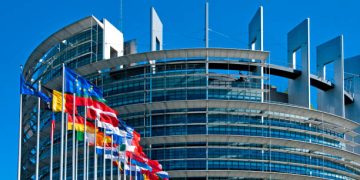
    The European Parliament building in Strasbourg, France with flags waving calmly celebrating peace of the Europe. July 12, 2020.

    EU 2027 or 2037! Even half membership failed! No exit strategy!     

  • Current Events

    Some Myths Simply Refuse to Die

    Albanian PM Rama returns from US with message to Albanians: “No One Will Stop Us, No One Will Stop Me”

    Albanian President Begaj Welcomes New U.S. Ambassador Eric Wendt

    Albanian PM Edi Rama at UN: “The greatest danger of AI is that it perfectly obeys the wrong people”

    The Final Blow of Wall Street: When Paper Valuations Meet the Real Economy

    FBI in Albania: U.S. and Albanian Law Enforcement Strengthen Cooperation

    Kosovo PM Kurti calls Hague verdict against former KLA leaders ‘unacceptable injustice’

    The European Spirit: A Message to Albania’s Young Generation

    This Regatta Has Hurdles: Why Fast-Tracking EU Accession Threatens Domestic Resilience

  • Top News

    Eric Wendt in Tirana: A New U.S. Mandate at a Turning Point for Albania and the Balkans

    Albanian PM Edi Rama at UN: “The greatest danger of AI is that it perfectly obeys the wrong people”

    FBI in Albania: U.S. and Albanian Law Enforcement Strengthen Cooperation

    The Council of Albanian Ambassadors expresses deep concern over the judgment of the Kosova special chambers in the Hague.

    The European Spirit: A Message to Albania’s Young Generation

    Albania’s President Begaj calls for political cooperation as new parliamentary session opens

    U.S. Presidential Envoy Joins Albania’s Religious Leaders to Honor Mother Teresa as Bektashi Order Announces Signed American Cancer-Care Partnership

    Albania Plans Distribution of 17,000 Textbooks to Albanian Diaspora for 2026–2027 School Year

    Belgium Opens First-Ever Embassy in Tirana, Strengthening Bilateral Ties

  • YOUR VOICE
  • ARGUMENTUM MAGAZINE
  • Shqip
No Result
View All Result
Argumentum
  • Home
  • OP/ED

    Some Myths Simply Refuse to Die

    UN Monologue: Why Kosovo Cannot Respond to Serbia’s Accusations

    The War That Was Waged Before the War

    The Structural Impasse: Can Merz Offer a Leadership Anchor to Europe?

    Will Europe Finally Ditch the Poisonous Myth of Perpetual Peace?

    Resolution 522 – When the U.S. Congress Honored Skanderbeg

    The Reconfiguration of Maritime Governance: Structural Hegemonic Decline and the Arctic Pivot

    Between Political Calculation and Retreat: Croatian Communists at the End of an Era

    The West is buying time, but to whom is it giving it?

  • Interview

    Exclusive Interview with Oleksandr Tyshchenko: A 40-Year Legacy of Chernobyl, Nuclear Risks, and Global Responsibility

    INTERVIEW: ZLATKO KRAMARIĆ – THOUGHTS ON THE OLD CONTINENT

    EXCLUSIVE / Ukrainian Ambassador to Albania, Volodymyr Shkurov: “Ukraine wants peace, but not at the expense of its freedom and independence”

    EXCLUSIVE| Ambassador Tayyar Kagan Atay: Türkiye and Albania, a Strategic Partnership Rooted in Shared Heritage and a Common Vision for the Future

    “Diplomacy, Not War”: Palestinian Ambassador to Albania Calls for Justice, Peace, and Global Action for Gaza

    Exclusive: “Even After Tito – Tito”/ Ambassador Zlatko Kramarić on Authoritarian Legacies and Democracy’s Future in the Balkans

    The Conclusion of the Diplomatic Mission / Ambassador Dancho Markovski: Strengthening Albania-North Macedonia Relations for a Shared European Future

    A Century of Diplomatic Relations Between Albania and Russia: Exclusive Interview with the Russian Ambassador to Albania, H.E. Alexey Zaytsev

    Exclusive/ The chairman of the Freedom Party, Ilir Meta: “The will of the citizens will triumph in Albania, as it did in North Macedonia”

  • Realpolitik

    Montenegrin diplomatic blunder! Small Cyprus without great hopes! 4 blocks of Enlargement challenges! Political earthquake in Germany!

    Belgrade, Zelensky and the Consulates! The European Pact takes water! Drone in Leipzig and hybrid war! Why a  ceasefire is needed in September

    The Summit of Unity! Think of peace and prepare for war! It’s only the start to the end! Just a pause between two wars!

    Peace with war diplomacy! The protest,  image and tourism! Why this silence from the EU Commission and Council? A deal or a pause?

    Just kind words  in Tivat! Where is the peace!? A deal yes, peace No!What is happening with USA and  EU?  5 elections but no solution!

    IBAR? ”Sufficiently! Much ado about nothing! Shart contrasts in Beijing! Where is the exit?!

    Neither peace nor war! Peace with bombs?! IBAR in autumn?! Not another Hormuz in Taivan! 

    IBAR – a springing board or an obstacle? Can we catch the EU Negotiation train 2027? When the dress makes the news!  EU electoral April  ends in a draw 1:1!  

    The European Parliament building in Strasbourg, France with flags waving calmly celebrating peace of the Europe. July 12, 2020.

    EU 2027 or 2037! Even half membership failed! No exit strategy!     

  • Current Events

    Some Myths Simply Refuse to Die

    Albanian PM Rama returns from US with message to Albanians: “No One Will Stop Us, No One Will Stop Me”

    Albanian President Begaj Welcomes New U.S. Ambassador Eric Wendt

    Albanian PM Edi Rama at UN: “The greatest danger of AI is that it perfectly obeys the wrong people”

    The Final Blow of Wall Street: When Paper Valuations Meet the Real Economy

    FBI in Albania: U.S. and Albanian Law Enforcement Strengthen Cooperation

    Kosovo PM Kurti calls Hague verdict against former KLA leaders ‘unacceptable injustice’

    The European Spirit: A Message to Albania’s Young Generation

    This Regatta Has Hurdles: Why Fast-Tracking EU Accession Threatens Domestic Resilience

  • Top News

    Eric Wendt in Tirana: A New U.S. Mandate at a Turning Point for Albania and the Balkans

    Albanian PM Edi Rama at UN: “The greatest danger of AI is that it perfectly obeys the wrong people”

    FBI in Albania: U.S. and Albanian Law Enforcement Strengthen Cooperation

    The Council of Albanian Ambassadors expresses deep concern over the judgment of the Kosova special chambers in the Hague.

    The European Spirit: A Message to Albania’s Young Generation

    Albania’s President Begaj calls for political cooperation as new parliamentary session opens

    U.S. Presidential Envoy Joins Albania’s Religious Leaders to Honor Mother Teresa as Bektashi Order Announces Signed American Cancer-Care Partnership

    Albania Plans Distribution of 17,000 Textbooks to Albanian Diaspora for 2026–2027 School Year

    Belgium Opens First-Ever Embassy in Tirana, Strengthening Bilateral Ties

  • YOUR VOICE
  • ARGUMENTUM MAGAZINE
  • Shqip
No Result
View All Result
Argumentum
No Result
View All Result
Home ENGLISH

What if France were nonetheless unlocking strategic opportunities?

11 November, 2019
in ENGLISH, English OP/ED
A A
Share on FacebookShare on Twitter

The French decision to oppose the opening of accession negotiations with Albania and North Macedonia has caused much discontent all over Europe. France has been accused of committing a “historical mistake”, undermining Balkan stability, damaging the EU’s credibility and pushing the Western Balkans in the covetous arms of Russia, China and others. Nothing less.

The French decision is regrettable. North Macedonia and Albania deserved to move forwards. They played by EU rules and pushed for remarkable reforms in the hope of an elusive reward that once more rang hollow. They now joined the ill-fated club of Kosovo, similarly deprived of a reward it rightfully earned (visa liberalisation) – a club of disillusioned friends that is likely to grow.

But let’s be honest. Over the past decade, the prospect for EU membership of the Western Balkans Six had become an empty shell. The indispositions of the Grande Nation are just the last straw that breaks the camel’s back. Limited progress in the region (if any) have led to “stricter”, albeit not fairer, conditionality and rendered the accession process overly lengthy. Eighty years might be needed for Kosovo to catch up with the GDP per capita of Croatia upon accession. Two decades might be needed for Bosnia and Herzegovina to reach the level of governance of Bulgaria and Romania upon accession. Actual convergence (in democratic, socio-economic and societal terms) is rare commodity in the region.

On the EU’s side, the re-nationalisation of the enlargement policy, demise of Community actors and resurgence of populism have rendered the enlargement policy completely unpredictable. Instead of a more credible approach reviving the spirit of Thessaloniki, the 2018 Western Balkans strategy only succeeded in offering a (stillborn) “best-case scenario” (sic). Its lack of strategic depth is no surprise. It follows up on the 2016 Global Strategy, with its ill-defined objective of resilience.

Today’s outcry over France is understandable. But the EU’s strategy towards the Western Balkans has so far produced as many results as a Philosopher’s Stone. Most analysts in the EU and Western Balkans Six agreed that a new approach was needed. Well, the good news is that this time has come.

What’s behind the French decision

The French decision had little to do with Albania and North Macedonia per se (and that surely is a problem). On the surface, it reflects President Macron’s fear that the ruling party, La République en marche, threatened on its right side by Le Rassemblement National, might suffer a dramatic loss in the next local elections, planned in March 2020. Enlargement remains unpopular in France indeed, with only 29% of French citizens supporting it. It is a topic that President Macron wishes to keep out of the domestic agenda -as he did prior to the European elections.

But electoral calculations are just the top of the iceberg. The reluctance of France to support enlargement is in fact rooted more deeply in Paris’s historical preference for a deeper, more integrated Union. In his speeches in Athens, La Sorbonne, Strasbourg and Aix-la-Chapelle, President Macron vividly called for reforming the EU and formulated a series of proposals. These notably pertain to the reform of the Economic and Monetary Union, the Schengen Agreement or the EU’s Social Policy; the advancement of a European digital and industrial policy, strategic autonomy and European democracy; or progress towards l’Europe de la Défense.

To President Macron’s disenchantment, these proposals went mostly unheeded. They failed to generate the well-awaited (and in Brexiting times deeply needed) strategic debate about the Future of Europe. The 2019 Summit of Sibiu, which was expected to mark the culmination of the process of consultations on the Future of Europe, launched in 2017, brought forth a mouse. Strategic mutism in the EU’s capitals and Germany’s perceived lack of strategic engagement in particular fueled high frustrations in Paris. This broader context and the absence of progress on the deepening front of European integration paved the ground for the decision of France to block further progress on the widening front of the EU.

What does France want

In the past two years, President Macron has repeatedly signaled his dubiety vis-à-vis an enlargement process rightly or wrongly deemed to distract EU leaders from more urgent challenges. The fact that the countries in the EU most vocally supportive of enlargement today are the same as those facing article 7 infringement proceedings offers the antithesis of what European integration should stand for: a positive relationship between widening and deepening.

President Macron accordingly resisted any further steps towards enlargement, at first as long as Brexit negotiations go on (issue of timing), then as long as the EU fails to engage in strategic reforms (deepening vs. widening issue) and finally too, as long as it fails to reform the accession process altogether (methodological issue).

This last condition is the most recent one. It advocates more differentiated integration through the participation of the Western Balkans Six into chosen EU sectoral policies, agencies and programmes as a way to deliver tangible results (more for more). And there is indeed room for improvement in that area, as shown in the framework of the Berlin Process. It also pleads for increasing reversibility in the accession process (less for less). It is paradoxical that those countries in the region designated as frontrunners are also those manifestly suffering from state-capture.

What the Western Balkans Six should do

The stalemate caused by France is unlikely to be lifted unless Paris’s concerns are properly addressed. In the meantime, the Western Balkans Six would be ill-advised to “wait and see” what Paris (and other capitals) says. What they need at this critical moment is a more strategic approach that neither assume the didactic superiority of the EU nor overestimate its capacity to act strategically. What they need is a plan of action of their own, creatively putting forth their contribution to the making of Europe.

There could not be a better timing for such endeavor, after the French “non”. While the issue of timing will be solved sooner or later when the Brexit saga comes to an end, the insistence of France to discuss the Future of Europe (deepening vs. widening issue) and to reform the accession process (methodological issue) both create new opportunities for a more strategic engagement of the Western Balkans Six.

The starting point of such engagement is active contestation. Not so much of the French decision (a too easy and unrewarding target), but of the EU’s ordre établi itself. This ordre établi has maintained the Western Balkans at the periphery for too long while allowing stabilocracies to thrive and emigration to surge. More importantly, it has surreptitiously disempowered Western Balkans societies by suggesting that the European integration project is the property of the EU; that Europe’s Future is the responsibility of the EU; that the EU knows better and that following its lead is appropriate in all circumstances.

This claim is abusive. The Preamble of the Treaty of Rome “calls upon other peoples of Europe” to join energies in realising a shared ideal. It sees others as active contributors to Europe’s destiny. The Western Balkans -and their civil societies in particular- need to remind the EU of the spirit of the Treaty of Rome. They should do so by claiming the right to have a say on the two issues at hand that are so dear to Paris, i.e. the debate on the Future of Europe (widening vs. deepening issue) and the reform of the accession process (methodological issue). They need to fight for their inclusion in those debates, as a region in Europe duly consulted about its own future.
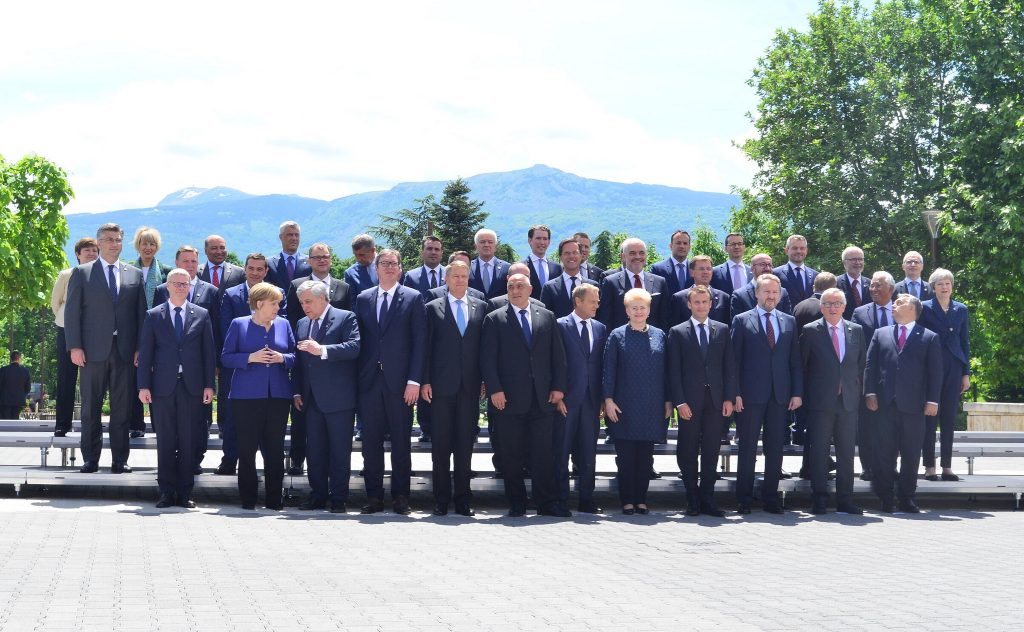
Family Photo at the Sofia Summit; Photo: Bulgarian EU Presidency / Flickr

The second step is to bolster engagement in more strategic terms by communicating new ideas on how the reform of the accession process should relate with on-going discussions on the Future of Europe. Repeating that there is no empirical proof of a negative trade-off between the EU’s logics of widening and deepening will not do the trick, for the simple reason that the prospects of deepening remain contested among the Member States.

Therefore, after claiming the right to have a say, the Western Balkans Six need to voice their vision for tomorrow’s Europe: What is the European Union that they wish to join? An EU leaning towards France, Germany, Poland or Hungary? An intergovernmental Union or a more federal Union? What is their stance on the Europe’s grands débats (EMU governance reform, l’Europe de la Défence, reform of the Schengen Agreement, the social dimension of Europe, Digital and Industrial Europe, etc…)? And above all, what is the distinctive contribution that their accession to the EU can possibly make to the future of Europe and deepening of the Union?

To answer these questions, the Western Balkans Six will need to develop and advance a strategic vision for the region that goes well beyond enlargement. They will have to start thinking and acting as Member States, regardless of their status or disappointment in the EU’s mischiefs. That means thinking and acting collectively for a greater good – Europe’s good. In a recent publication (Reviving Solidarity[1]), I argued that their best strategy now might be to rejuvenate the European principle of solidarity as their contribution to the Future of Europe.

That implies challenging the Regatta methodology, which fuels regional tensions and is not conducive to reconciliation; defining a regional strategy in accession matters based on regional cooperation and mutual support; walking the walk by standing for one another in full-fledged solidarity, as decisions on EU enlargement will become more and more uncertain; coordinating national approaches, lobbying together, sharing resources and presenting a united front in accession matters.

Solidarity in the Western Balkans might not be the easiest way to get in the EU. But in the face of adversity, it might just be ambitious enough to actually transform Western Balkans societies along less ethnical lines and to make Europe a better political order./EWB
Related Posts

Current Events

Some Myths Simply Refuse to Die

29 September, 2026
Editor's Note

Eric Wendt in Tirana: A New U.S. Mandate at a Turning Point for Albania and the Balkans

28 September, 2026
English OP/ED

UN Monologue: Why Kosovo Cannot Respond to Serbia’s Accusations

28 September, 2026

Follow US

Subscribe

Receive Argumentum Magazine by Email

Last Posts

Some Myths Simply Refuse to Die

29 September, 2026

Eric Wendt in Tirana: A New U.S. Mandate at a Turning Point for Albania and the Balkans

28 September, 2026

UN Monologue: Why Kosovo Cannot Respond to Serbia’s Accusations

28 September, 2026

Vučić resigns as Serbia president ahead of snap parliamentary election

27 September, 2026

Albanian PM Rama returns from US with message to Albanians: “No One Will Stop Us, No One Will Stop Me”

27 September, 2026
Argumentum

“Argumentum”, një proces intelektual …

Contact Us

[email protected]
[email protected]
[email protected]

Follow Us

Media Partner

Register

Receive Argumentum Magazine by Email
  • Home
  • Privacy Policy
  • About Us
  • Contact

© 2022 Argumentum. All Rights Reserved. | NUIS: L91415033Q

Welcome Back!

Login to your account below

Forgotten Password?

Retrieve your password

Please enter your username or email address to reset your password.

Log In

Add New Playlist

No Result
View All Result
  • Home
  • OP/ED
  • Interview
  • Realpolitik
  • Current Events
  • Top News
  • YOUR VOICE
  • ARGUMENTUM MAGAZINE
  • Shqip

© 2022 Argumentum. All Rights Reserved. | NUIS: L91415033Q

This website uses cookies. By continuing to use this website you are giving consent to cookies being used. Visit our Privacy and Cookie Policy.