







REAL POLITIK NO. 95
1 – 27 OCTOBER 2025
Comments “ flash” on 4 major diplomatic events, only in 1.000 words by the well-known analyst, Grand Master in Diplomacy,
DR. JORGJI KOTE
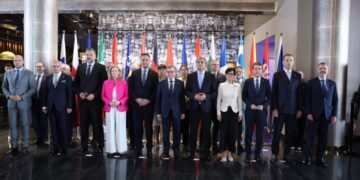
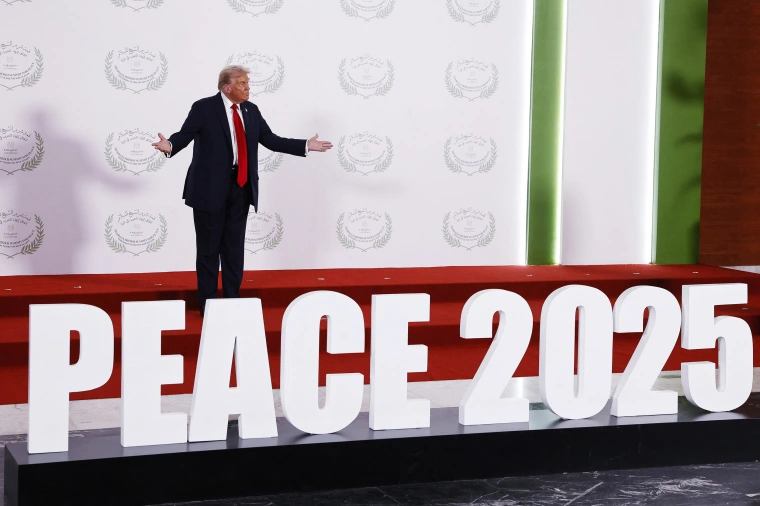
1.Ceasefire but no peace! It goes beyond doubt that the Ceasefire Agrement between Israel and Hamas signed on 8 October with the personal intervention of President Trump was the most important geopolitical event of this period. It put an end to two years of nightmare concerning the fate of 245 hostages with 20 alive only. This deal and the Summit on 13 October with the presence of President Trump and 30 other state top leaders produced hopes and expectations for a wider process of sustainable peace between them and on a wider scale in the region. This is correctly praised as President Trump’s remarkable achievement thanks also to the understanding and support by different arab states, Turkey and others.
Nevertheless, there is no room for euphoria. Since it is only a ceasefire agreement, which no one knows how long it will last. But peace there is still a far cry. True, there are steps forward; yet, much remains to be done. Hamas should be disarmed which is easier said than done, its departure from the political dcene is also hard to do it; then Gaza’s reconstruction, the Palestinian Authority reform and the establishment of the Palestinian state. These are huge and hard but necessary steps to lasting peace there.
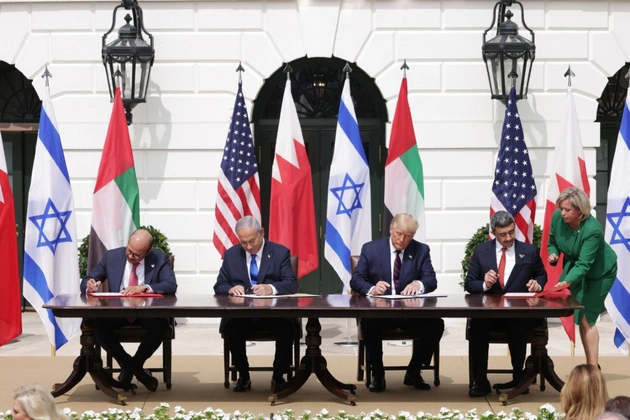
2. The two states alternative cries out for solution! The above-mentioned deal is also positive since it does not only not exclude the recognition of a Palestinian state, but it specifies it indirectly as the final step of the peace-making process in the Middle East! There is an overall belief even in the US Administration that there could be no genuine peace without recognizing the Palestinian state, in peace and harmony with the Israeli state in keeping with the two states solution. After its reform, the new Palestinian state could be also able to take over the management of Gaza Strip. There is no doubt that the diplomacy of France, the UK, Canada and other western countries has played their major role by recognizing the Palestinian state in the Franco-Saudi Summit in the UN headquarters in New York on 22 September.
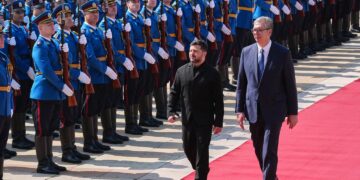
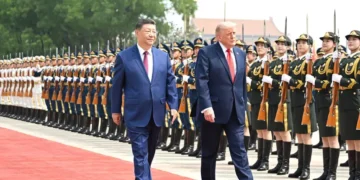
3. The end of the US zig-zag policy? This is the question posed after the Meeting between President Trump and Zelenski in the White House on 17 October. It was much expected after Trump’s sharp statements following his disappointment with President Putin. Moreover, President Trump encouraged Kyiev saying it could win the war, that Russia is a ”paper tiger” and even promising delivery of powerful Tomahawk missiles; that would provide Ukraine with many advantages in the battlefield. However, his phone call with President Putin before his meeting with Zelenski in Washington, Putin’s proposal to build an undersea tunnel to link Siberia with Alaska with their names changed completely the scenario of their meeting. Trump’s statements on a very productive phone conversation with Putin and their agreement to possibly meet within two weeks in Budapest in another effort to end the war seemed to dash out the hopes and expectations for any possible result with Zelenski. And this came true. We saw plenty of compliments and praises from for Zelenski and Ukraine but just that. No Tomahawk because as Trump said they need them for themselves and the war could be over without them. Even worse, he went on declaring that Russia should stop the war and have the regions it has already occupied.
Under these circumstances, their meeting in Budapest would simply be Alaska’s extension to finish the business they started but failed there. Most likely to the detriment of Ukraine’s territorial integrity, referring back to the previous alternatives of dividing Ukraine after the Israeli or Korean model accompanied with the well-known “ Withouts” for Ukraine: without NATO, without its own army, without its territories prior to 2014 and other “ withous”.
But President Trump finally realized that Putin is playing up with him and with time and he wants more and more. Therefore, he cancelled Budapest and declared that he would meet Putin only if he signs a peace deal. Besides, he decided to impose heavy sancions against two major Russian oil-producing companies, Lukoil and Rosneft, which would be detrimental to Moswo, if applied.
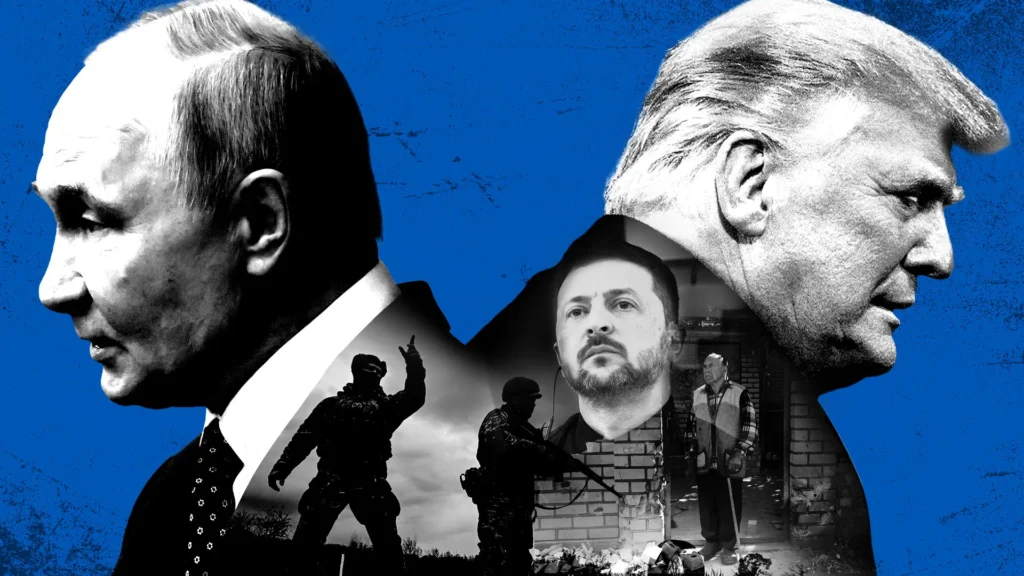
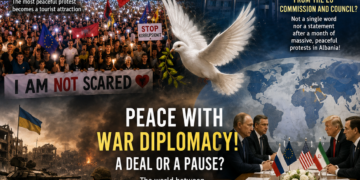
Finally, if in Middle East President Trump was successful with his diplomacy of force, with Russia he he has been pursuing the diplomacy of appeasement. This is why the chances for a lasting peace there were until now almost nil. For they were talking only for the end of war but no peace, ignoring the costs and conditions for Ukraine and Europe. Now it seems that President Trump will use vis à vis Moscow the diplomacy of force as in Middle East. Let us hope it will finally end up his zig-zag policy.
4. 19 sanctions, Anti-drones and economic independence: In its Summit in Brussels on 23 – 24 October, the EU adopted three important decisions for its defence, Ukrainian support and economic independence from Chinese rare earths. It passed the 19th package of sanctions against Russia which together with the US sanctions on two major russian oil companies would hit Moscow just at the heart of the financing of its war machinery.

The second decision relates to the gigandic project of building until 2027 an anti-drones wall, to be able to protect its countries from possible massive Russian rone strikes in the future. This occurs after several incidents and interventions in the air space of certain EU and NATO Member States. This project worth of billions of Euros will further strengthen the EU defence capacities, now also as a great Defence Union. Meanwhile, the EU is preparing and soon will implement a similar project to replace the imports of rare earths from China which are vital for the EU economy, technology and defence. With China expected to escalate its economic and trade aggresive competition in the field of rare metals where it has 75 per cent of world reserves. Likewise, Europe is seeking new opportunities and markets in other coputries. This would help EU Member States to considerably reduce their economic dependence from China in this defining area. Moreover that the 4th Plenium of the CC of the Communist Party of China on 24 October suggested that China should use Europe’s economic dependency as its strategic advantage.
© 2025 Argumentum