







































Albania celebrates 28 November 1912 as the historic day of its Declaration of Independence, marking the end of nearly five centuries of Ottoman rule and the establishment of a sovereign Albanian state. This year marks 113 years since the Albanian flag was raised in Vlora, symbolizing national unity and freedom. Albania had been under Ottoman domination since the late 14th century, and over the centuries, Albanians struggled to preserve their territorial integrity, culture, and national identity. The choice of 28 November for independence was symbolic, as on 28 November 1443, the national hero Gjergj Kastriot Skanderbeg liberated Kruja from Ottoman control and raised the Albanian flag over its castle.
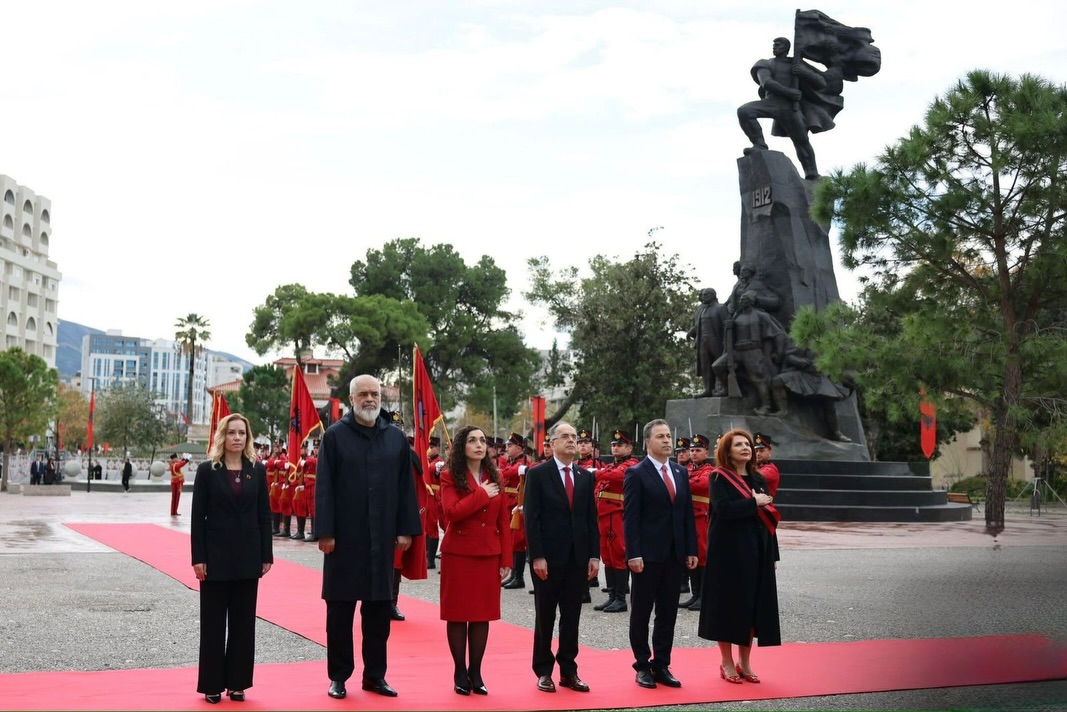
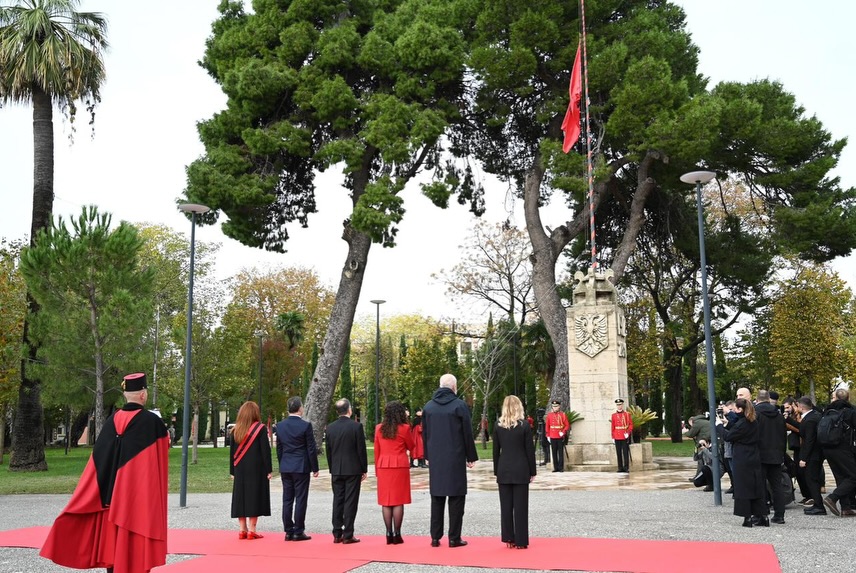
Political leaders from Albania and Kosovo, together with citizens and local government representatives, participated today at the Monument of Independence in Vlora in the solemn flag-raising ceremony marking the 113th anniversary of Albania’s Independence.
The ceremony was attended by President Bajram Begaj, Prime Minister Edi Rama, President of Kosovo Vjosa Osmani, Speaker of the Parliament Niko Peleshi, Prefect of Vlora County Evis Allushi, and Mayor of Vlora Brunilda Mersini.
After the performance of the national anthem, President Begaj, Prime Minister Rama, President Osmani, Speaker Peleshi, and Mayor Mersini laid wreaths of flowers and bowed with respect at the monument, a symbolic tribute to centuries of struggle for freedom and independence, honoring this important day of national remembrance.
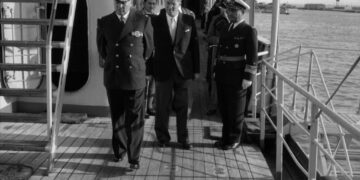
The declaration in 1912 was spearheaded by Ismail Qemali, who left Trieste on 19 November to reach the Albanian coast and landed in Durrës on 21 November aboard the Austrian Lloyd steamer Baron Bruck. Initially, the Albanian flag was planned to be raised in Durrës on 22 November, but due to tensions and the advancing Serbian forces, the meeting of the Vlora Assembly became the central event. Meanwhile, patriotic districts across Albania, including Elbasan on 25 November, Tirana and Durrës on 26 November, and Kavaja, Peqin, and Lushnja on 27 November, raised the national flag in acts of local resistance and unity, even before the official declaration. On 28 November 1912, 83 delegates from all Albanian territories convened in Vlora. Ismail Qemali, chairing the National Assembly, declared Albania free and independent, with 40 delegates signing the Act of Independence.
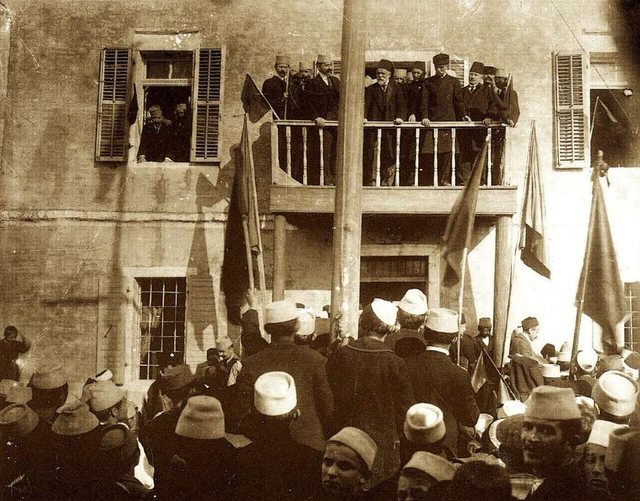
This marked the creation of a sovereign Albanian state recognized alongside other European nations and symbolized the culmination of centuries of struggle. The declaration had both national and symbolic importance, ending almost five centuries of Ottoman rule, opening avenues for political, economic, and cultural development, and reinforcing Albanian national identity and unity. The date 28 November holds continued historical significance in Albania, including the launch of Radio Tirana in 1938, the birth of Kosovo Albanian hero Adem Jashari in 1955, and its declaration as an official holiday in Kosovo in 2017, recognized as the Day of the Albanians. November 28 is more than a historical anniversary; it represents the resilience and determination of the Albanian people. From Skanderbeg’s liberation of Kruja to Qemali’s declaration in Vlora, this day symbolizes centuries-long struggles for independence, unity, and national pride.
/Argumentum.al