



































By Zlatko Kramarić*|ARGUMENTUM
1. Introduction
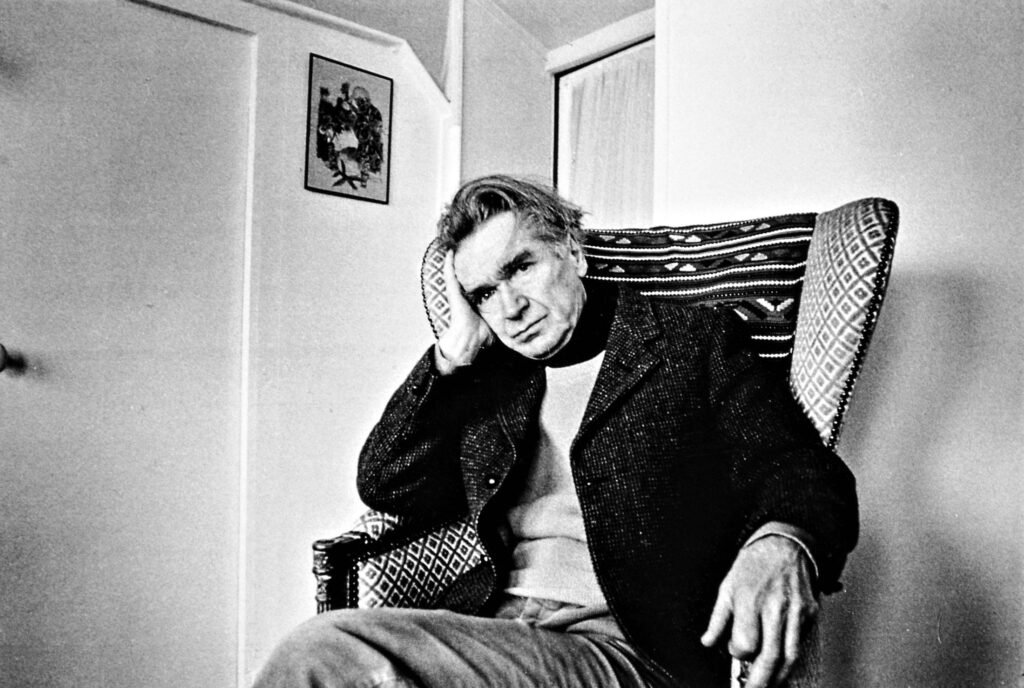
E. M. Cioran occupies a singular position in the intellectual map of 20th-century Europe. His work, positioned between Romanian existential fatalism and French essayistic refinement, constitutes one of the most coherent attempts to dismantle the conceptual foundations upon which the European idea has historically been built. His thought combines radical skepticism, poetic melancholy, intellectual rigor, and aesthetic subversion.
2. The European Spirit: Between Rationalism and Tragic Consciousness
For Cioran, the European spirit is defined by its tension between Enlightenment rationalism and a deep existential awareness of the tragic. Europe is the continent that thinks too much — and suffers because it thinks. Rationalism becomes an excess, a hypertrophy of interpretation, while history becomes an uninterrupted sequence of disappointments.
3. Ideology and Totalitarianism
Cioran interprets totalitarianism not as an accidental deviation but as the logical culmination of Europe’s metaphysical ambitions:
– the search for unity,
– the belief in historical necessity,
– the obsession with systematicity.
Totalitarianism is, for him, a perverted child of European rationality. Ideology is an attempt to turn history into algebra; utopia a disguised form of violence.
4. Fragment as an Ethical Gesture
Cioran’s embrace of the fragment is an ethical and intellectual declaration. The fragment is a form of resistance:
– against system,
– against closure,
– against metaphysical totality.
His aphoristic form becomes a political stance: to defend doubt against doctrine, openness against rigidity.
5. Reception in Southeast Europe
Cioran’s reception in Southeast Europe is intellectually rich.
5.1. Croatia
He was read as a thinker who foresaw the collapse of ideological narratives and the tragic destiny of small Central-European and Balkan nations.
5.2. Serbia
Serbian intellectuals interpreted him as an analyst of historical exhaustion and metaphysical burden — themes central to Serbian philosophical modernism.
5.3. Macedonia and Bulgaria
His reflections on Europe’s periphery and the psychology of nations situated “in-between” were influential, especially his concept of “tragic historical compensation.”
6. Cioran and Postmodernism
Though not a postmodernist, Cioran anticipates core postmodern insights. Lyotard’s “end of grand narratives” echoes Cioran’s critique of ideological teleology, his suspicion of universal truth, and his fragmentary approach to thought.
7. Conclusion
Cioran stands as one of Europe’s most incisive critics — and therefore one of her most demanding defenders. His philosophical melancholy is a call to intellectual honesty. Through his uncompromising critique of metaphysics and history, he invites Europe to confront its illusions without abandoning its capacity for reflection.
*Zlatko Kramarić is a Croatian publicist, author, and diplomat, currently serving as Ambassador to Albania. Formerly a university professor and politician, he is known for his work in literature, cultural studies, and regional history.
© 2025 Argumentum