



































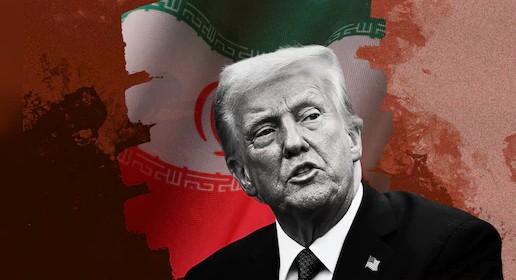
Political analyst and foreign policy expert Daniel Serwer argues that the recently announced U.S.-Iran memorandum of understanding does not represent a lasting peace agreement but rather a temporary 60-day ceasefire that will require renewal unless a broader settlement is reached.
According to Serwer, the primary American gain from the agreement is the reopening of the Strait of Hormuz, a critical maritime route for global energy supplies. The closure of the strait had contributed to significant increases in oil prices, creating economic pressures both in the United States and internationally. Reopening the waterway is therefore a major strategic objective for Washington, although Serwer notes that it could take months before energy markets fully stabilize.
Iran, meanwhile, appears to have secured substantial benefits. The agreement allows Iranian oil exports to resume and provides for the release of approximately $24 billion in frozen Iranian assets. It also includes broad sanctions relief and promises of a reconstruction fund reportedly worth hundreds of billions of dollars, financed largely by Arab Gulf states. Serwer observes that these concessions exceed those associated with the 2015 nuclear agreement negotiated during the Obama administration.
However, Serwer contends that the most significant aspect of the agreement is what it fails to address. The memorandum reportedly contains no provisions for nuclear inspections, which many experts consider essential for verifying that Iran is not rebuilding a nuclear weapons program. Nor does it include commitments regarding Iran’s missile program or its network of regional allies and proxy groups.
The Biden administration’s predecessors and the Trump administration have often portrayed diplomatic breakthroughs with Iran as transformative moments in regional politics. Yet Serwer argues that this agreement offers little evidence of a fundamental shift in relations. Economic relief may strengthen Iran’s regional influence, but the underlying hostility between Iran and Israel remains unresolved.
Despite these shortcomings, Serwer believes the ceasefire is beneficial for the United States because it halts a costly conflict that was producing few positive results. In his view, ending the war creates an opportunity to reconsider broader strategies for achieving stability in the Middle East.
A central theme of Serwer’s analysis is that regional peace depends less on developments in Tehran than on progress in the Israeli-Palestinian conflict. Quoting Israeli analyst Dennis Citrinowicz, Serwer writes that “the road to regional normalization runs through Ramallah, not Tehran.” He argues that meaningful movement toward Palestinian statehood would weaken Iran’s so-called Axis of Resistance, which includes allied armed groups in Lebanon, Gaza, Iraq, and Yemen.
Serwer also highlights Lebanon as a particularly important case. He notes that the current Lebanese government is committed to asserting state control and disarming Hezbollah, but ongoing Israeli military operations in southern Lebanon and strikes elsewhere in the country complicate those efforts. As long as such operations continue, public opinion may be more inclined to support groups confronting Israel rather than strengthening state institutions.
Serwer describes U.S. participation in the war alongside Israel as a significant strategic mistake. Nevertheless, he suggests that the end of the conflict and the influx of financial resources into Iran could create conditions for domestic political and economic change. Rather than producing unrest during wartime, as some policymakers anticipated, pressure for reform may emerge more strongly in the postwar period as Iranians demand that resources be directed toward economic development and social needs.
While the ceasefire does not resolve the core disputes driving tensions between Iran and Israel, Serwer argues that it offers an opportunity to pursue a more sustainable vision of regional stability based on diplomacy, state-building, and progress toward resolving the Palestinian question.
Source: Daniel Serwer, “It’s good that a bad war is ending badly” (June 17, 2026).
© 2026 Argumentum