





• SHQIPËRI
  • KOSOVË
  • MAQEDONIA E VERIUT
  • MALI I ZI
  • Revista në PDF
13 June, 2026
  • Home
  • OP/ED

    The visit that changed Albania’s strategic future

    Pierre Nora and the institution of memory we lack in Eastern Europe

    The Blueprint of a Diplomatic Debacle: Analyzing Germany’s Historic UNSC Loss

    Between Russia, Iran and Europe: Azerbaijan as a balancing power in the South Caucasus

    The Zero-Tariff Gate: Sovereignty as a Service in the Sino-African Corridor

    Albania vs. the Sea/ Marginal Notes on A. Leka’s Novel The Hidden Side of the Albanian Socialist Garden

    May 9 and the long shadow of a Letter: Is Europe still Schuman’s Project?

    The Arbnesh of Zadar: A living memory of Albanian identity on the Adriatic coast

    Science Diplomacy and Academic Freedom: A strategic nexus for contemporary diplomacy

  • Interview

    Exclusive Interview with Oleksandr Tyshchenko: A 40-Year Legacy of Chernobyl, Nuclear Risks, and Global Responsibility

    INTERVIEW: ZLATKO KRAMARIĆ – THOUGHTS ON THE OLD CONTINENT

    EXCLUSIVE / Ukrainian Ambassador to Albania, Volodymyr Shkurov: “Ukraine wants peace, but not at the expense of its freedom and independence”

    EXCLUSIVE| Ambassador Tayyar Kagan Atay: Türkiye and Albania, a Strategic Partnership Rooted in Shared Heritage and a Common Vision for the Future

    “Diplomacy, Not War”: Palestinian Ambassador to Albania Calls for Justice, Peace, and Global Action for Gaza

    Exclusive: “Even After Tito – Tito”/ Ambassador Zlatko Kramarić on Authoritarian Legacies and Democracy’s Future in the Balkans

    The Conclusion of the Diplomatic Mission / Ambassador Dancho Markovski: Strengthening Albania-North Macedonia Relations for a Shared European Future

    A Century of Diplomatic Relations Between Albania and Russia: Exclusive Interview with the Russian Ambassador to Albania, H.E. Alexey Zaytsev

    Exclusive/ The chairman of the Freedom Party, Ilir Meta: “The will of the citizens will triumph in Albania, as it did in North Macedonia”

  • Realpolitik

    IBAR? ”Sufficiently! Much ado about nothing! Shart contrasts in Beijing! Where is the exit?!

    Neither peace nor war! Peace with bombs?! IBAR in autumn?! Not another Hormuz in Taivan! 

    IBAR – a springing board or an obstacle? Can we catch the EU Negotiation train 2027? When the dress makes the news!  EU electoral April  ends in a draw 1:1!  

    The European Parliament building in Strasbourg, France with flags waving calmly celebrating peace of the Europe. July 12, 2020.

    EU 2027 or 2037! Even half membership failed! No exit strategy!     

    What next?

    “With diplomatic velvet“! Major question marks! In Washington yes, but  in the White House NO! A strange dinner in Brussels!

    From a great ‘apple of disaccord’ to a  point of  cooperation! A bad start! The strange absence in Davos!

    5 lessons from the American 3 January! Don’t count the chicken before they are hatched! Will NATO freeze in Greenland? Wrong diplomatic messages!

    German Chancellor Friedrich Merz, European Commission President Ursula von der Leyen, Ukraine's President Volodymyr Zelenskiy, U.S. Special Envoy Steve Witkoff and Jared Kushner, son-in-law of U.S. President Donald Trump line up for a family photo opportunity at the Chancellery in Berlin, Germany, December 15, 2025.    REUTERS/Lisi Niesner/Pool

    A Strategy that could change the world! Europe in Berlin! Why an historic compromise? Only charm diplomacy in Athens!

  • Current Events

    Council of Albanian Ambassadors Backs Civic Protests, Calls for Transparency and Protection of National Interests

    Russian Ambassador in Tirana: “Without a Strong and Sovereign Russia, the Creation of a Just World Order Is Impossible”

    EU-Western Balkans Summit 2026: New Impetus for the Enlargement Debate?

    “The Flamingo Revolution”: Day 10 of Protests in Albania Draws International Attention

    Rama alleges ‘hybrid war’ behind protests against Kushner-linked coastal development

    BELGRADE, SERBIA - JUNE 18. 2020: Russian and Serbian flags on display during Russian Foreign Minister Sergei Lavrov's visit to the Liberators of Belgrade Memorial. Valery Sharifulin/TASS,Image: 533095429, License: Rights-managed, Restrictions: UWAGA! Zdjęcia zawierają oryginalny opis dostawcy (ITAR-TASS). Szczególnie w związku z agresją Rosji na Ukrainę mogą zawierać przekaz niezgodny z faktami. Zweryfikuj go przed publikacją, Model Release: no, Credit line: Valery Sharifulin / TASS / Forum

    Balkan Maskirovka: Why Moscow’s “Distancing” Is Only an Operation for the Survival of Vučić’s Regime

    Serbia – China 2026: Technological partnership, geopolitical positioning and a new phase of the Chinese presence in the Western Balkans

    The Digital Protectorate: How the EU AI Act Codified Silicon Valley’s Monopoly

    The 28th MFC Annual Conference in Durrës / Sulaj: Microfinance remains a key instrument for financial inclusion

  • Top News

    Russian Ambassador in Tirana: “Without a Strong and Sovereign Russia, the Creation of a Just World Order Is Impossible”

    “The Flamingo Revolution”: Day 10 of Protests in Albania Draws International Attention

    Rama alleges ‘hybrid war’ behind protests against Kushner-linked coastal development

    No End in Sight: Trump, Netanyahu and the Expanding Middle East War

    Tirana – €20 Million EU–Banking Agreement Boosts Albanian SMEs

    “EU4Municipalities II” Project, a Strategic Investment for Strengthening Municipalities and Accelerating Albania’s Path towards the EU

    Albania, Italy deepen defence ties with naval shipbuilding deal

    U.S. Embassy: Iran-Linked Groups May Target Americans and Iranian Opposition in Albania

    The Council of Albanian Ambassadors disappointed with the voting of the draft law on the foreign service in the parliamentary committees.

  • YOUR VOICE
  • Shqip
No Result
View All Result
Argumentum
  • Home
  • OP/ED

    The visit that changed Albania’s strategic future

    Pierre Nora and the institution of memory we lack in Eastern Europe

    The Blueprint of a Diplomatic Debacle: Analyzing Germany’s Historic UNSC Loss

    Between Russia, Iran and Europe: Azerbaijan as a balancing power in the South Caucasus

    The Zero-Tariff Gate: Sovereignty as a Service in the Sino-African Corridor

    Albania vs. the Sea/ Marginal Notes on A. Leka’s Novel The Hidden Side of the Albanian Socialist Garden

    May 9 and the long shadow of a Letter: Is Europe still Schuman’s Project?

    The Arbnesh of Zadar: A living memory of Albanian identity on the Adriatic coast

    Science Diplomacy and Academic Freedom: A strategic nexus for contemporary diplomacy

  • Interview

    Exclusive Interview with Oleksandr Tyshchenko: A 40-Year Legacy of Chernobyl, Nuclear Risks, and Global Responsibility

    INTERVIEW: ZLATKO KRAMARIĆ – THOUGHTS ON THE OLD CONTINENT

    EXCLUSIVE / Ukrainian Ambassador to Albania, Volodymyr Shkurov: “Ukraine wants peace, but not at the expense of its freedom and independence”

    EXCLUSIVE| Ambassador Tayyar Kagan Atay: Türkiye and Albania, a Strategic Partnership Rooted in Shared Heritage and a Common Vision for the Future

    “Diplomacy, Not War”: Palestinian Ambassador to Albania Calls for Justice, Peace, and Global Action for Gaza

    Exclusive: “Even After Tito – Tito”/ Ambassador Zlatko Kramarić on Authoritarian Legacies and Democracy’s Future in the Balkans

    The Conclusion of the Diplomatic Mission / Ambassador Dancho Markovski: Strengthening Albania-North Macedonia Relations for a Shared European Future

    A Century of Diplomatic Relations Between Albania and Russia: Exclusive Interview with the Russian Ambassador to Albania, H.E. Alexey Zaytsev

    Exclusive/ The chairman of the Freedom Party, Ilir Meta: “The will of the citizens will triumph in Albania, as it did in North Macedonia”

  • Realpolitik

    IBAR? ”Sufficiently! Much ado about nothing! Shart contrasts in Beijing! Where is the exit?!

    Neither peace nor war! Peace with bombs?! IBAR in autumn?! Not another Hormuz in Taivan! 

    IBAR – a springing board or an obstacle? Can we catch the EU Negotiation train 2027? When the dress makes the news!  EU electoral April  ends in a draw 1:1!  

    The European Parliament building in Strasbourg, France with flags waving calmly celebrating peace of the Europe. July 12, 2020.

    EU 2027 or 2037! Even half membership failed! No exit strategy!     

    What next?

    “With diplomatic velvet“! Major question marks! In Washington yes, but  in the White House NO! A strange dinner in Brussels!

    From a great ‘apple of disaccord’ to a  point of  cooperation! A bad start! The strange absence in Davos!

    5 lessons from the American 3 January! Don’t count the chicken before they are hatched! Will NATO freeze in Greenland? Wrong diplomatic messages!

    German Chancellor Friedrich Merz, European Commission President Ursula von der Leyen, Ukraine's President Volodymyr Zelenskiy, U.S. Special Envoy Steve Witkoff and Jared Kushner, son-in-law of U.S. President Donald Trump line up for a family photo opportunity at the Chancellery in Berlin, Germany, December 15, 2025.    REUTERS/Lisi Niesner/Pool

    A Strategy that could change the world! Europe in Berlin! Why an historic compromise? Only charm diplomacy in Athens!

  • Current Events

    Council of Albanian Ambassadors Backs Civic Protests, Calls for Transparency and Protection of National Interests

    Russian Ambassador in Tirana: “Without a Strong and Sovereign Russia, the Creation of a Just World Order Is Impossible”

    EU-Western Balkans Summit 2026: New Impetus for the Enlargement Debate?

    “The Flamingo Revolution”: Day 10 of Protests in Albania Draws International Attention

    Rama alleges ‘hybrid war’ behind protests against Kushner-linked coastal development

    BELGRADE, SERBIA - JUNE 18. 2020: Russian and Serbian flags on display during Russian Foreign Minister Sergei Lavrov's visit to the Liberators of Belgrade Memorial. Valery Sharifulin/TASS,Image: 533095429, License: Rights-managed, Restrictions: UWAGA! Zdjęcia zawierają oryginalny opis dostawcy (ITAR-TASS). Szczególnie w związku z agresją Rosji na Ukrainę mogą zawierać przekaz niezgodny z faktami. Zweryfikuj go przed publikacją, Model Release: no, Credit line: Valery Sharifulin / TASS / Forum

    Balkan Maskirovka: Why Moscow’s “Distancing” Is Only an Operation for the Survival of Vučić’s Regime

    Serbia – China 2026: Technological partnership, geopolitical positioning and a new phase of the Chinese presence in the Western Balkans

    The Digital Protectorate: How the EU AI Act Codified Silicon Valley’s Monopoly

    The 28th MFC Annual Conference in Durrës / Sulaj: Microfinance remains a key instrument for financial inclusion

  • Top News

    Russian Ambassador in Tirana: “Without a Strong and Sovereign Russia, the Creation of a Just World Order Is Impossible”

    “The Flamingo Revolution”: Day 10 of Protests in Albania Draws International Attention

    Rama alleges ‘hybrid war’ behind protests against Kushner-linked coastal development

    No End in Sight: Trump, Netanyahu and the Expanding Middle East War

    Tirana – €20 Million EU–Banking Agreement Boosts Albanian SMEs

    “EU4Municipalities II” Project, a Strategic Investment for Strengthening Municipalities and Accelerating Albania’s Path towards the EU

    Albania, Italy deepen defence ties with naval shipbuilding deal

    U.S. Embassy: Iran-Linked Groups May Target Americans and Iranian Opposition in Albania

    The Council of Albanian Ambassadors disappointed with the voting of the draft law on the foreign service in the parliamentary committees.

  • YOUR VOICE
  • Shqip
No Result
View All Result
Argumentum
No Result
View All Result
Home Current Events

Multiculturalism and national minorities

4 December, 2020
in Current Events, ENGLISH
A A
Share on FacebookShare on Twitter

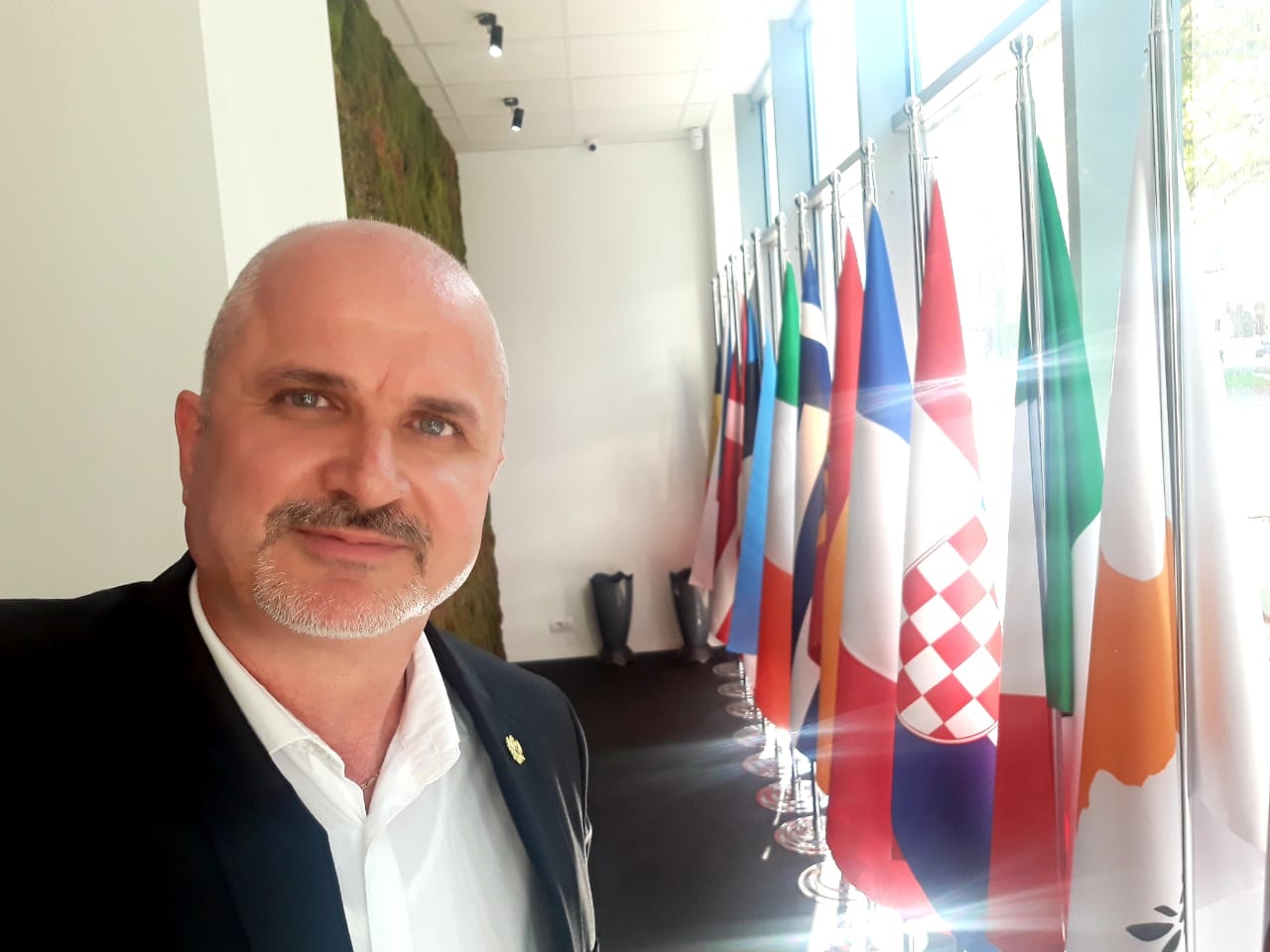
By Marinko Çullafiq

Chairman of the Organisation of Montenegrins Community in Albania

The term “multiculturalism” appeared during the 1960s and 1970s in Canada and Australia and also, a little less, in Britain and United States (Canatan, 2009; Yanık, 2013). A new serious debate emerged at the beginning of the 80s and within a very short period of time multiculturalism turned into one of the most widespread intellectual and political movements in the West. All countries, where ethnic and cultural minorities live, are faced with this challenge regardless of having it as part of the official agenda or not. Most scholars of multiculturalism consider the latter as non-confli-cting. For example, Kristina Inglis states that multiculturalism is “a response of democratic policies against cultural and social change”.

In a descriptive sense, multiculturalism refers to all societies compound of several ethnic, cultural and religious groups. In this context, multiculturalism represents just a demographic and not political fact. On the other hand, in the normative context, multiculturalism is an ideology or poli-tical stance that promotes the concept of a multicultural society. The truth is that, in the ideological aspect, multiculturalism is one of the most important issues of the European society of the first half of the 21st century. This ideology in the European Union opposes with the American system related to emigration, known as “Melting of cultures” which implies the complete assimilation of emigran-ts into the American society. The Unites States of America are a typical multinational state, which means that there is a cohabitation of many nations, who share a common language and culture, in the same territory. Opposed to these American policies, in the European Union, multiculturalism protects the conservation of ethnic, cultural and religious characteristics of minorities within so-ciety. As long security and peace will reign in the European Union, this ideology will play its role against gender ideology, homosexuality, feminism and human rights.

The nature of multiculturalism differs from country to country and from one society to another.

In most western countries there exists an ethnic and cultural group that makes up the majority of the population. Typical examples in Europe are Greeks in Greece and Castilians in Spain. In these countries the language of the dominating group is the officially recognized language. In different historical periods, especially in times of economic or social crises, almost all the European countries have tried to establish as mono-ethnic states. The only state which has never tried to legally establi-sh a national language in its territory is Switzerland. In this country, national minorities that speak French and Italian exist as separate ethnic and cultural groups with no restrictions. Switzerland is the best example of civil solidarity, a necessity for economic well-being. In Europe, there are also a lot of racist ideologies, where the idea that a mono-ethnic state is easier to manage dominates.

According to these ideologies, languages and cultures of minorities are outdated and inferior, that is why they should not be respected and protected by law. There are a lot of premises on which a multicultural nation is built. The main premise is the awareness of policies that suggest that it is a state that equally belongs to all its citizens. A multicultural state absolutely excludes the implemen-tation of discriminating policies that lead to assimilation of national minorities, which means that in front of state institutions, all have equal rights without hiding their ethnic origin. What is most important is that in a democratic state should accept the historical injustices committed against national minorities through discriminating and assimilating policies. Multiculturalism acquires dif-ferent shapes in different times and places. History has proved that in many democratic countriesvarious ethnic groups have supported discriminating policies against smaller ethnic groups. A typi-cal example is the francophone community in Quebec, Canada who insists on conserving their cul-ture and traditions but do not support the same requirements for the Indian population that lives in the same area. In the Balkan region there is also a variety of ethnic and cultural groups. After the Second World War, in a lot of countries of the region, there have been witnessed intolerant and discriminating practices against some ethnic and cultural groups.

Under communist dictatorships, there were efforts to not consider national minorities and assimilate them slowly by banning their language, the promotion of their culture or obliging them to change names and nationality. I am providing an example of Montenegrin minorities in Albania, since I also belong to this community. This minority lives in Shkodra and some villages along the border with Montenegro. During the 45 years of communist regime there was a continuous attempt to lower the real number of Albanian citizens with Montenegrin origin, through various pressure, banning schools in Montenegrin language, banning cultural activities that promoted Montenegrin costumes, songs and traditions etc. In September 1975, HaxhiLleshi, head of the presidium of the Popular Convention signed the decree on changing unsuitable names. According to this decree, children born in the territory of Albania should be given names that reflect the Albanian identity and culture. Foreign names were forbidden. Every civil office at the time possessed a list with sui-table names among which you could choose the name of your child. During those years there was a tendency to change Slavic surnames with Albanian surnames. Also, the Montenegrin minority in Albania, has produced some well-known historic personalities that have affected Albanian culture, literary criticism and literature but their origin has remained unknown.

These long term non-tolerant and discriminating policies have resulted in a reduction of numbers of this minority. Of course, after the arrival of democracy things have changed but the damage has occurred. Also, I want to mention here the census of 2011 which was very problematic concerning the real registration of Albanian citizens of Montenegrin origin. According to this registration, in the Republic of Albania there are only 366 Montenegrin people. This data is far from reality.

While, in the census forms there was an optional question on the ethnic origin of the citizen, the government decided to apply fines for all wrong answers on ethnic origin which were not in accor-dance with the civil office. This procedure is considered as a pressure on the free choice of people on ethnic origin. Even though this minority has always lived within the territory of Albania, the Montenegrin minority was recognized by law only 3 years ago.

In 2017 the Albanian parliament approved the new law on national minorities. According to this law, the national minorities in the Republic of Albania are the Greek, Macedonian, Montenegrin, Bulgarian, Serbian, Romanian, Egyptian and Bosnian minorities. Unfortunately this law remains just on paper even three years later. It is unexplainable and not tolerable the creation of a new Committee on national Minorities, an institution under the dependence of the Prime minister which aims at protecting the promotion of national minorities’ rights and interests. (Article 18 pf law

  1. 96/2017 On the protection of National Minorities in the Republic of Albania- Committee on national minorities). Such a long delay implies that this process is just considered an obligation thatAlbania has to fulfill on the way towards European integration. Albanian politician must understand that only the complete respect of the rights of minorities and the implementation of the law on the protection of these rights will transform the Albanian society in a modern and democratic society and will lead Albania towards the European Union.

One aspect of multiculturalism is the protection and promotion of cultural diversity, also part of the basic principles of the European Union. The protection of our common heritage and the promotion of cultural diversity is as important as the integration of communities and the deve- lopment among different cultures. This is illustrated with the official documents of the Council of Europe and other organisms inside the EU, where the cultural diversity in the countries of the Western Balkans, is promoted as an important factor in the sustainable development, integration and peace. A negotiating chapter on the basic human rights stresses the respecting of the cultural, linguistic and religious diversity of national minorities and the measures that should be taken to face xenophobia and racism. The European Union system of protection of national minorities also has its issues.

The Resolution of the European Parliament on Minimal Standards for Minorities in the EU, approved in November 2018, enfolds the problematic situation in the field of minority protection.

This resolution states that:

  • The system of the European Union on the protection of minorities does not guarantee total

rights to the minorities.

  • The EU does not possess the mechanisms to evaluate the engagement of states in relation to the

Copenhagen criteria after they become member states.

  • The EU does possess the suitable measures to monitor and strengthen the protection of minority

rights.

  • The EU does not possess common standards for the protection of minorities and the recognition

of their minority status.

  • The EU has not created an institution for the recognition and protection of national minorities

at European level.

  • Not all the EU member states have signed the Convention on the Protection of National Mino-

rities and the European Charter for Regional or Minority Languages.

  • The EU has not approved common minimal standards for minority protection.

(Source: The Resolution of the European Parliament on Minimal Standards on Minorities in the EU)

Montenegro and Albania are two Balkan states, culturally rich and diverse. These two countries are also a positive example on cohabitation and ethnic, religious and cultural tolerance, not only in the Balkans but in Europe too. Beyond this tolerance, and also the approval of the law on minority rights, during these 30 years of democracy, activities on the promotion of folklore, popular costumes,

music and tradition of minorities have been very rare and mainly organized by the Greek minority which is the biggest minority in Albania. I hope that Albanian folk festivals will be joined by folk minority groups. I want to stress that the Organization of the Montenegrin Community in Albania, during these 2 years of its existence, has brought a lot of innovation into the field and has organized important activities that promote historic events and personalities that have affected the history of the Montenegrin and Albanian people, almost with no financial support. In order to achieve the objectives of our program we are opened for collaboration with legitimate representatives of other minorities, but also organizations, foundations and NGOs from the Republic of Albania, Montenegro, Greece, North Macedonia etc. All in accordance with the Constitution of Albania and international conventions. The cooperation will aim to resolve issues of common interest which are achievable through continuous contacts, initiatives, projects and other forms of collaboration.

What is more important in the development of these activities and the overall program of the Montenegrin Community in the Republic of Albania is providing a contribution in the excellent relationship between Montenegro and Albania.

This article was prepared in the framework of the project “Education for All”, Elbasan

© Argumentum


Tags: ALbaniamarinko cullaficmontengro

Related Posts

Current Events

Council of Albanian Ambassadors Backs Civic Protests, Calls for Transparency and Protection of National Interests

12 June, 2026
Current Events

Russian Ambassador in Tirana: “Without a Strong and Sovereign Russia, the Creation of a Just World Order Is Impossible”

11 June, 2026
Balkan Overview

EU-Western Balkans Summit 2026: New Impetus for the Enlargement Debate?

10 June, 2026

Follow US

Subscribe

Receive Argumentum Magazine by Email

Last Posts

Council of Albanian Ambassadors Backs Civic Protests, Calls for Transparency and Protection of National Interests

12 June, 2026

Russian Ambassador in Tirana: “Without a Strong and Sovereign Russia, the Creation of a Just World Order Is Impossible”

11 June, 2026

EU-Western Balkans Summit 2026: New Impetus for the Enlargement Debate?

10 June, 2026

The visit that changed Albania’s strategic future

10 June, 2026

Serbia’s Lost Legal Battle and the Exploitation of Resolution 1244 for Lawfare and Terrorism

10 June, 2026
Argumentum

“Argumentum”, një proces intelektual …

Contact Us

[email protected]
[email protected]
[email protected]

Follow Us

Media Partner

Register

Receive Argumentum Magazine by Email
  • Home
  • Privacy Policy
  • About Us
  • Contact

© 2022 Argumentum. All Rights Reserved. | NUIS: L91415033Q

Welcome Back!

Login to your account below

Forgotten Password? Sign Up

Create New Account!

Fill the forms bellow to register

*By registering into our website, you agree to the Terms & Conditions and Privacy Policy.
All fields are required. Log In

Retrieve your password

Please enter your username or email address to reset your password.

Log In

Add New Playlist

No Result
View All Result
  • Home
  • OP/ED
  • Interview
  • Realpolitik
  • Current Events
  • Top News
  • YOUR VOICE
  • Shqip

© 2022 Argumentum. All Rights Reserved. | NUIS: L91415033Q

This website uses cookies. By continuing to use this website you are giving consent to cookies being used. Visit our Privacy and Cookie Policy.