











































Based on analysis from Carnegie Europe*
Europe today faces a sobering message from Washington—one that it can no longer afford to ignore. The Trump administration’s new National Security Strategy (NSS) has stripped away long-standing diplomatic niceties and revealed a blunt assessment of allies, partners, and adversaries alike. As the Carnegie Europe analysis emphasizes, the NSS offers Europe the “good news” of clarity: it shows exactly how poorly this U.S. administration regards Europe, and thus what Europeans must confront head-on.
A U.S. Strategy Without Values
The NSS marks a dramatic departure from decades of American foreign policy. It does not promote democracy, defend Western principles, or reaffirm the post-1945 moral framework that Europeans have long assumed was shared across the Atlantic. Instead, as the Carnegie Europe analysis notes, it defines power in transactional, interest-driven terms, foregrounding “commercial diplomacy” and rewarding regimes that deliver stability—not human rights.
In the Middle East and elsewhere, Washington signals it will accept governments “as they are,” so long as they avoid threatening U.S. interests. This shift is particularly consequential for authoritarian states that now see human rights conditionality—long pushed by Europe—replaced with a simple performance metric: stability and cooperation.
Taiwan Receives Assurances, Europe Receives Warnings
The NSS offers firm language on Taiwan, underscoring the need to deter conflict with China and promising to preserve American “military overmatch.” For Europe, however, the tone is markedly colder.
The document effectively questions the perpetual relevance of NATO, suggesting the alliance should not be expected to expand further—an unmistakable signal welcomed in Moscow and dreaded in Kyiv and other aspiring members. Furthermore, the NSS urges Europe to assume “primary responsibility for its own defense,” echoing recent Pentagon discussions reportedly telling Europeans they must take over most conventional NATO capabilities by 2027.
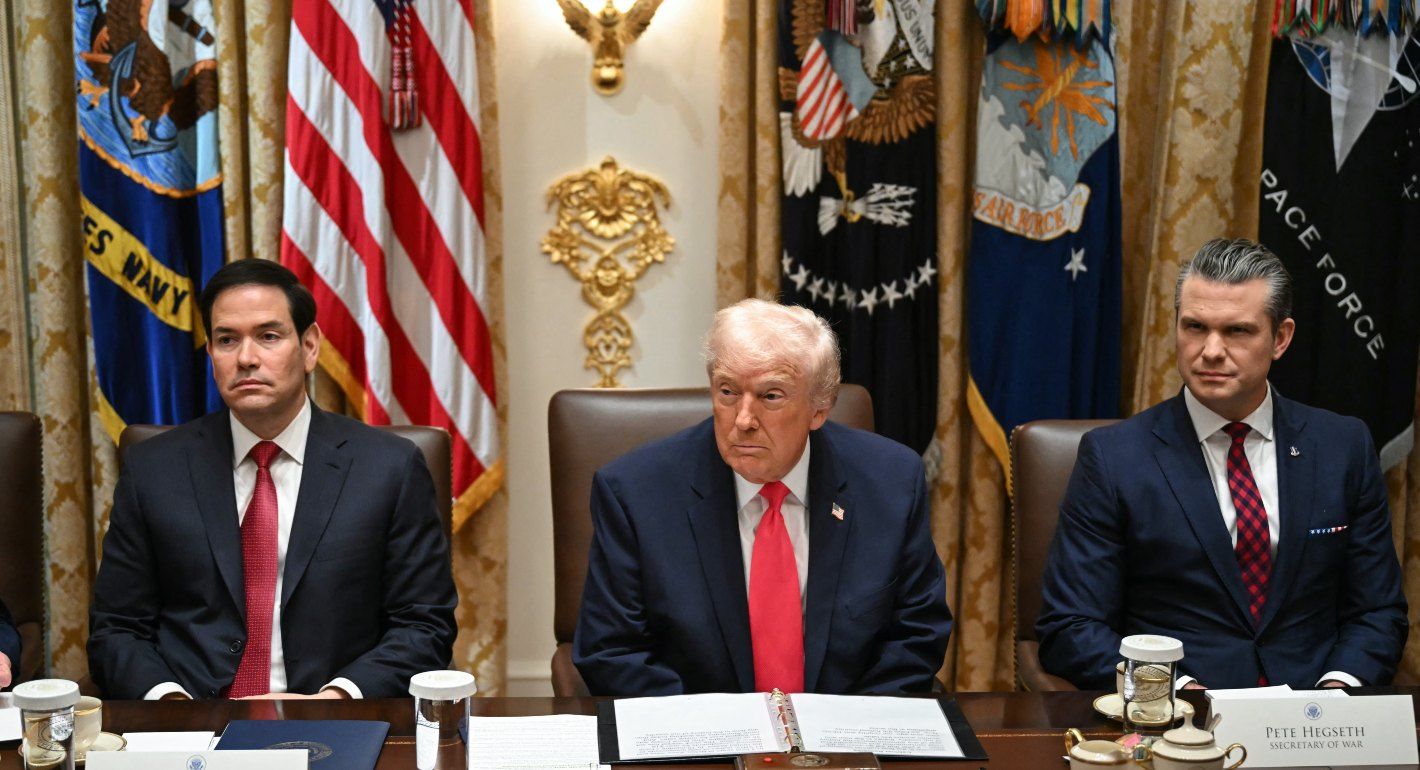
This planned retrenchment will likely be reinforced in the forthcoming National Defense Strategy, championed by Secretary of War Pete Hegseth, and represents the clearest indication yet that Washington wants to step back from its historic security role in Europe.
A Harsh Verdict on Europe’s Strategic Weakness
According to the analysis, the NSS criticizes Europeans for lacking confidence vis-à-vis Russia, despite possessing a significant conventional military advantage. The U.S. proposes helping “reestablish strategic stability across the Eurasian landmass,” a formula that many European governments view skeptically—as a potential stepping-stone to a continental security architecture involving Russia and weakening NATO’s centrality.
Europeans doubt Washington’s sincerity regarding Ukraine as well. While the NSS claims the U.S. seeks to ensure Ukraine survives as a viable state, the broader strategic framing raises fears that Washington may prioritize a grand bargain with Moscow over Europe’s long-term security.
Civilizational Rhetoric and an Attack on European Identity
Perhaps the most provocative part of the NSS is its language on European identity. As Carnegie Europe points out, the document is steeped in a far-right civilizational worldview now common in the Trump administration. It predicts that some NATO members will soon become “majority non-European”—a phrase that raises uncomfortable questions about whether Washington is referring to race, culture, or religion.
The strategy champions a Europe that aligns with this worldview: not a liberal, diverse European Union, but a continent that is more ethnonational, less regulated, and more skeptical of migration and supranational governance. It denounces “regulatory suffocation,” “cratering birthrates,” and “loss of national identities,” framing Europe as a civilization in decline because of its own political choices.
An Administration Intentionally Weakening Europe
Carnegie Europe argues that this messaging is not accidental. The Trump administration—and particularly Vice President JD Vance—views Europe as a potential competitor and an ideological opponent. Vance’s open support for the far right and his disdain for Europe’s democratic institutions signal a willingness to actively undermine the transatlantic relationship as traditionally understood.
For a Europe already hampered by strategic drift, demographic anxiety, and political fragmentation, this represents a direct challenge. The American critique may be exaggerated and ideologically charged, but it taps into real vulnerabilities within the European project.
Europe Must Finally Respond
Yes, Europe does lack self-confidence. Yes, it does lack a security and strategic outlook. Yes, it has far too long relied on the United States as a security guarantor. Yes, it has failed to listen to the grievances of the far right. Yet, its leadership in the institutions and the members states won’t take the leap to deal with these major issues that reflect the post–Cold War era. These failings weaken Europe as a credible global player. That makes criticism of the NSS a rhetorical exercise.
Against this background of weakness, it is hardly surprising that Trump and particularly his vice president, JD Vance, is hell-bent on further weakening Europe. This administration sees Europe as a threat if not a competitor, however incompetent it may be. Vance’s disdain for Europe’s democratic system and its values, coupled with his open support for far-right movements, threaten American interference that undermines the essence of the Western alliance. That is the message to which Europe has no choice but to respond.