














• SHQIPËRI
  • KOSOVË
  • MAQEDONIA E VERIUT
  • MALI I ZI
  • Revista në PDF
28 July, 2026
  • Home
  • OP/ED

    27 July 1941 – A Site of Memory Between War, Revolution and Europe

    The cult of Saint Veneranda / Saint Pren(d)a / Saint Premte / Saint Paraskeva among Albanians

    The Self-Inflicted Decoupling: How U.S. Immigration Policy Is Ceding the Tech Edge to China

    The Blueprint Does Not Stop at the Drina

    The Underlying Logic behind China’s Economic Success

    Do Not Misuse the U.S. Declaration of Independence to Justify the Narrative of Insurrection in Albania

    The visit that changed Albania’s strategic future

    Pierre Nora and the institution of memory we lack in Eastern Europe

    The Blueprint of a Diplomatic Debacle: Analyzing Germany’s Historic UNSC Loss

  • Interview

    Exclusive Interview with Oleksandr Tyshchenko: A 40-Year Legacy of Chernobyl, Nuclear Risks, and Global Responsibility

    INTERVIEW: ZLATKO KRAMARIĆ – THOUGHTS ON THE OLD CONTINENT

    EXCLUSIVE / Ukrainian Ambassador to Albania, Volodymyr Shkurov: “Ukraine wants peace, but not at the expense of its freedom and independence”

    EXCLUSIVE| Ambassador Tayyar Kagan Atay: Türkiye and Albania, a Strategic Partnership Rooted in Shared Heritage and a Common Vision for the Future

    “Diplomacy, Not War”: Palestinian Ambassador to Albania Calls for Justice, Peace, and Global Action for Gaza

    Exclusive: “Even After Tito – Tito”/ Ambassador Zlatko Kramarić on Authoritarian Legacies and Democracy’s Future in the Balkans

    The Conclusion of the Diplomatic Mission / Ambassador Dancho Markovski: Strengthening Albania-North Macedonia Relations for a Shared European Future

    A Century of Diplomatic Relations Between Albania and Russia: Exclusive Interview with the Russian Ambassador to Albania, H.E. Alexey Zaytsev

    Exclusive/ The chairman of the Freedom Party, Ilir Meta: “The will of the citizens will triumph in Albania, as it did in North Macedonia”

  • Realpolitik

    The Summit of Unity! Think of peace and prepare for war! It’s only the start to the end! Just a pause between two wars!

    Peace with war diplomacy! The protest,  image and tourism! Why this silence from the EU Commission and Council? A deal or a pause?

    Just kind words  in Tivat! Where is the peace!? A deal yes, peace No!What is happening with USA and  EU?  5 elections but no solution!

    IBAR? ”Sufficiently! Much ado about nothing! Shart contrasts in Beijing! Where is the exit?!

    Neither peace nor war! Peace with bombs?! IBAR in autumn?! Not another Hormuz in Taivan! 

    IBAR – a springing board or an obstacle? Can we catch the EU Negotiation train 2027? When the dress makes the news!  EU electoral April  ends in a draw 1:1!  

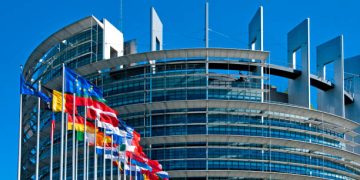
    The European Parliament building in Strasbourg, France with flags waving calmly celebrating peace of the Europe. July 12, 2020.

    EU 2027 or 2037! Even half membership failed! No exit strategy!     

    What next?

    “With diplomatic velvet“! Major question marks! In Washington yes, but  in the White House NO! A strange dinner in Brussels!

  • Current Events

    Croatian Foreign Minister’s Visit to Tirana/Albania and Croatia Strengthen Their Strategic Partnership as Zagreb Reaffirms Support for Albania’s European Union Membership

    Albanian Parliament Approves $302 Million U.S. Military Financing Loan, Opposition Boycotts Session

    The cult of Saint Veneranda / Saint Pren(d)a / Saint Premte / Saint Paraskeva among Albanians

    Who Is Interested in War in the Balkans?

    From Calculating Executions to Justifying Ethnic Cleansing

    When Algorithm Becomes the Most Powerful Manipulator: The Case of the Protests in Tirana

    NATO Summit in Ankara: Allies Adopt Declaration Reaffirming Collective Defence and Long-Term Security Commitments

    The Diplomacy of Gas and Algorithms: The Nuances of Official Tirana—Is It Breaking the European Taboo with Azerbaijan?

    Protection for Serbs, or Protection for Radoicic?

  • Top News

    Rama: Foreign Information Manipulation Has Become One of the Greatest Threats to Democracy and European Security

    The Council of Albanian Ambassadors condemns chauvinistic rhetoric by Serbian officials and calls for diplomatic action

    NATO at Ankara 2026: Strategic Rebalancing Between Russia Deterrence, Turkey’s Rise, and National Interests

    Daniel Serwer: A Bad War Ending Badly May Still Be Good News

    Friedrich Merz, Keir Starmer, António Costa, Donald Trump, Emmanuel Macron, Mark Carney, Ursula von der Leyen, Giorgia Meloni and Sanae Takaichi

    G7 Leaders Gather in Évian Amid Global Uncertainty, Focus on Security, Economy and International Cooperation

    Russian Ambassador in Tirana: “Without a Strong and Sovereign Russia, the Creation of a Just World Order Is Impossible”

    “The Flamingo Revolution”: Day 10 of Protests in Albania Draws International Attention

    Rama alleges ‘hybrid war’ behind protests against Kushner-linked coastal development

    No End in Sight: Trump, Netanyahu and the Expanding Middle East War

  • YOUR VOICE
  • Shqip
No Result
View All Result
Argumentum
  • Home
  • OP/ED

    27 July 1941 – A Site of Memory Between War, Revolution and Europe

    The cult of Saint Veneranda / Saint Pren(d)a / Saint Premte / Saint Paraskeva among Albanians

    The Self-Inflicted Decoupling: How U.S. Immigration Policy Is Ceding the Tech Edge to China

    The Blueprint Does Not Stop at the Drina

    The Underlying Logic behind China’s Economic Success

    Do Not Misuse the U.S. Declaration of Independence to Justify the Narrative of Insurrection in Albania

    The visit that changed Albania’s strategic future

    Pierre Nora and the institution of memory we lack in Eastern Europe

    The Blueprint of a Diplomatic Debacle: Analyzing Germany’s Historic UNSC Loss

  • Interview

    Exclusive Interview with Oleksandr Tyshchenko: A 40-Year Legacy of Chernobyl, Nuclear Risks, and Global Responsibility

    INTERVIEW: ZLATKO KRAMARIĆ – THOUGHTS ON THE OLD CONTINENT

    EXCLUSIVE / Ukrainian Ambassador to Albania, Volodymyr Shkurov: “Ukraine wants peace, but not at the expense of its freedom and independence”

    EXCLUSIVE| Ambassador Tayyar Kagan Atay: Türkiye and Albania, a Strategic Partnership Rooted in Shared Heritage and a Common Vision for the Future

    “Diplomacy, Not War”: Palestinian Ambassador to Albania Calls for Justice, Peace, and Global Action for Gaza

    Exclusive: “Even After Tito – Tito”/ Ambassador Zlatko Kramarić on Authoritarian Legacies and Democracy’s Future in the Balkans

    The Conclusion of the Diplomatic Mission / Ambassador Dancho Markovski: Strengthening Albania-North Macedonia Relations for a Shared European Future

    A Century of Diplomatic Relations Between Albania and Russia: Exclusive Interview with the Russian Ambassador to Albania, H.E. Alexey Zaytsev

    Exclusive/ The chairman of the Freedom Party, Ilir Meta: “The will of the citizens will triumph in Albania, as it did in North Macedonia”

  • Realpolitik

    The Summit of Unity! Think of peace and prepare for war! It’s only the start to the end! Just a pause between two wars!

    Peace with war diplomacy! The protest,  image and tourism! Why this silence from the EU Commission and Council? A deal or a pause?

    Just kind words  in Tivat! Where is the peace!? A deal yes, peace No!What is happening with USA and  EU?  5 elections but no solution!

    IBAR? ”Sufficiently! Much ado about nothing! Shart contrasts in Beijing! Where is the exit?!

    Neither peace nor war! Peace with bombs?! IBAR in autumn?! Not another Hormuz in Taivan! 

    IBAR – a springing board or an obstacle? Can we catch the EU Negotiation train 2027? When the dress makes the news!  EU electoral April  ends in a draw 1:1!  

    The European Parliament building in Strasbourg, France with flags waving calmly celebrating peace of the Europe. July 12, 2020.

    EU 2027 or 2037! Even half membership failed! No exit strategy!     

    What next?

    “With diplomatic velvet“! Major question marks! In Washington yes, but  in the White House NO! A strange dinner in Brussels!

  • Current Events

    Croatian Foreign Minister’s Visit to Tirana/Albania and Croatia Strengthen Their Strategic Partnership as Zagreb Reaffirms Support for Albania’s European Union Membership

    Albanian Parliament Approves $302 Million U.S. Military Financing Loan, Opposition Boycotts Session

    The cult of Saint Veneranda / Saint Pren(d)a / Saint Premte / Saint Paraskeva among Albanians

    Who Is Interested in War in the Balkans?

    From Calculating Executions to Justifying Ethnic Cleansing

    When Algorithm Becomes the Most Powerful Manipulator: The Case of the Protests in Tirana

    NATO Summit in Ankara: Allies Adopt Declaration Reaffirming Collective Defence and Long-Term Security Commitments

    The Diplomacy of Gas and Algorithms: The Nuances of Official Tirana—Is It Breaking the European Taboo with Azerbaijan?

    Protection for Serbs, or Protection for Radoicic?

  • Top News

    Rama: Foreign Information Manipulation Has Become One of the Greatest Threats to Democracy and European Security

    The Council of Albanian Ambassadors condemns chauvinistic rhetoric by Serbian officials and calls for diplomatic action

    NATO at Ankara 2026: Strategic Rebalancing Between Russia Deterrence, Turkey’s Rise, and National Interests

    Daniel Serwer: A Bad War Ending Badly May Still Be Good News

    Friedrich Merz, Keir Starmer, António Costa, Donald Trump, Emmanuel Macron, Mark Carney, Ursula von der Leyen, Giorgia Meloni and Sanae Takaichi

    G7 Leaders Gather in Évian Amid Global Uncertainty, Focus on Security, Economy and International Cooperation

    Russian Ambassador in Tirana: “Without a Strong and Sovereign Russia, the Creation of a Just World Order Is Impossible”

    “The Flamingo Revolution”: Day 10 of Protests in Albania Draws International Attention

    Rama alleges ‘hybrid war’ behind protests against Kushner-linked coastal development

    No End in Sight: Trump, Netanyahu and the Expanding Middle East War

  • YOUR VOICE
  • Shqip
No Result
View All Result
Argumentum
No Result
View All Result
Home ENGLISH

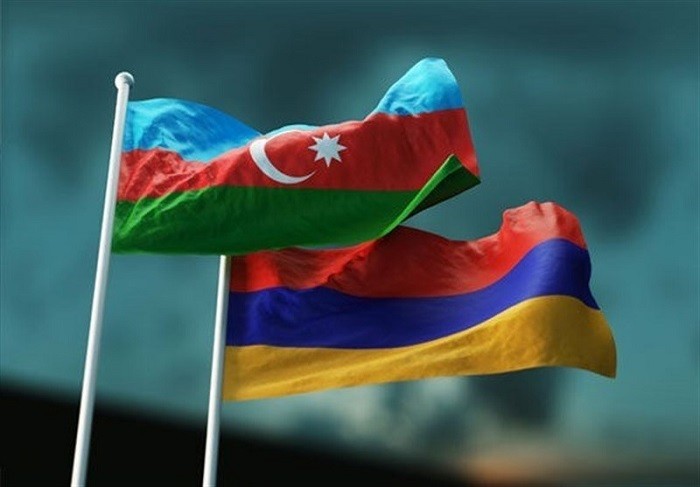
How Armenia and Azerbaijan finally made peace

28 May, 2024
in ENGLISH, Global
A A
Share on FacebookShare on Twitter

After 32 years, Armenia and Azerbaijan are set to sign a peace agreement that will end the most bitter conflict to emerge from the dying days of the USSR.

Taras Kuzio

When the USSR disintegrated at the end of 1991, the Kremlin manufactured or indirectly supported ethnic conflicts throughout the territory of the Soviet Union. In each case the former Soviet army transformed into the new Russian army, and its intervention was decisive in giving victory to separatists and pro-Russian proxies. Russia continues to financially and militarily support separatist enclaves in Eurasia.

In Moldova, the former Soviet and Russian army intervened in support of separatists who defeated the central government. Russia manufactured a frozen conflict in the Transnistria which continues to host Russian military bases and a lawless separatist enclave. Russia seeks to militarily intervene and remove Moldova’s pro-Western leaders.

In Georgia, the Russian army and Chechen mercenaries defeated the Georgian central government. South Ossetia and Abkhazia were ethnically cleansed of their Georgian inhabitants, and they became lawless frozen conflicts. In 2008, after Russia invaded Georgia, the Kremlin recognised the ‘independence’ of Abkhazia and South Ossetia. The two Georgian provinces have been ethnically cleansed of Georgians and have been de facto annexed by Russia.

In Azerbaijan, Soviet and then Russian forces assisted Armenia in defeating the central government, intervening militarily in Baku and Sumgait where they killed 150 Azerbaijani civilians.

Unlike in Moldova and Georgia, where Russia created proxy entities under its control, Armenia occupied a fifth of Azerbaijan territory, including the Karabakh region.

Breaking the deadlock

The Moldovan and Georgian frozen conflicts remain unresolved. Azerbaijan is the only case in Eurasia which has resolved the three-decade old conflict through patient diplomacy, transforming itself into an energy power and building up military alliances with Israel and Turkey.

Decades of negotiations under the auspices of the Organisation for Security and Co-operation in Europe (OSCE) proved fruitless in Azerbaijan, as in Moldova and Georgia. The US lost interest in the region while France increasingly sided with Armenia.

The deadlock changed in three ways. First through military means, second through a decline in Russian influence, and third through greater involvement by the European Union.

First the military. In 2020, after a brief conflict in 2016 and skirmishes over the next four years, the Second Karabakh War broke out. The war was relatively brief, lasting only forty-four days, and leading to Armenia’s military defeat.

Population sizes, Armenia with 2.8 million people and Azerbaijan with 10 million, were not decisive factors; after all, Armenia defeated Azerbaijan in the early 1990s. The key factor was the two very different militaries. Armenia continues to possess a Soviet or Russian military force, using Russian military equipment and with its officers trained in Russia.

 The 2020 Second Karabakh War and the Russian-Ukrainian war since 2022 have highlighted the very poor quality of Russian military equipment and Russian military training. In contrast, Azerbaijan’s army was outfitted with Israeli, Turkish, and other Western military equipment and its officers were trained in military academies in NATO member states.

Azerbaijan’s military victory returned the bulk of the land it had lost in the early 1990s, in the First Karabakh War. A trilateral peace agreement between both parties brokered by Russia introduced so-called Russian ‘peacekeeping’ forces. Russia has used its so-called ‘peacekeeping’ forces to freeze conflicts indefinitely, making them into a de facto permanent military base.

Not surprisingly, neither side was satisfied by the Russian ‘peacekeeping’ forces. Armenia had hoped they would defend its last remaining enclave in Karabakh. Meanwhile, Azerbaijan believed Russian ‘peacekeepers’ should facilitate the de-militarisation of Karabakh and the dismantling of separatist institutions that had become illegal under the trilateral agreement.

Armenia did not withdraw its forces from Karabakh or dismantle the enclave’s separatist institutions, two steps to be taken in the trilateral peace agreement. Russian ‘peacekeepers’ turned a blind eye to Yerevan supplying military equipment and rotating troops to Karabakh. Azerbaijan applied pressure on the enclave by blockading the Lachin corridor connecting Karabakh and Armenia.

Peace, finally

In September 2023, conflict between the three parties, Armenia, Azerbaijan, and Russian ‘peacekeepers,’ came to a head. A 24-hour offensive by Azerbaijan, dubbed an ‘anti-terrorist operation,’ recaptured Karabakh. The enclaves’ Armenian inhabitants, after decades of nationalist propaganda, ignored Baku’s guarantee of minority rights and moved to Armenia.

This year, the final stage in the long-drawn-out drama is ending. In March, Yerevan agreed to  villages it still controlled returning to Azerbaijan. After long refusing to countenance this step, Armenia has agreed to sign a peace treaty with Azerbaijan with their border based on the republican boundaries that existed in the USSR.

The growing role of the EU as an honest broker bringing Armenia and Azerbaijan into a negotiated settlement grew at the same time as Russia’s influence declined. Russia’s full-scale invasion of Ukraine reduced the Kremlin’s influence throughout Eurasia. Of the fourteen former Soviet republics, other than Russia, only one—Belarus—has supported the Kremlin at the UN and in other international organisations.

Russia withdrew its ‘peacekeeping’ forces in April-May for three reasons. Firstly, both sides were critical of the passivity of Russian ‘peacekeepers’ in either defending the Karabakh separatist enclave (Armenia) or in not implementing the trilateral agreement’s demilitarisation and dismantling of the Karabakh separatist structures (Azerbaijan).

Secondly, Azerbaijan had completed the return of all its internationally recognised territory in the First Karabakh War in 2020, in the ‘anti-terrorist operation’ in Karabakh in 2023, and this year in negotiating the return of four villages.

Thirdly, Russia’s massive losses in military equipment, including 3,000 tanks, and over 450,000 casualties in its war against Ukraine. These losses have led the Kremlin to withdraw its forces from frozen conflicts in Eurasia and recruit mercenaries from Africa, Syria, India, and Nepal for use in its war against Ukraine.

After 32 years, Armenia and Azerbaijan are set to sign a peace agreement that will bring peace to the most bitter conflict that emerged in the dying days of the USSR. This was achieved by four factors coming together. First, Azerbaijan investing in Western military equipment and training; second a colour revolution bringing Western-leaning Armenian Prime Minister Nikol Pashinyan to power; third the Kremlin’s war against Ukraine speeding up Russia’s decline as a great power; and finally, the EU replacing Russia as the power broker in the South Caucasus.

Related Posts

Current Events

Albanian Parliament Approves $302 Million U.S. Military Financing Loan, Opposition Boycotts Session

27 July, 2026
ENGLISH

Rama: Foreign Information Manipulation Has Become One of the Greatest Threats to Democracy and European Security

27 July, 2026
ENGLISH

27 July 1941 – A Site of Memory Between War, Revolution and Europe

27 July, 2026

Follow US

Subscribe

Receive Argumentum Magazine by Email

Last Posts

Croatian Foreign Minister’s Visit to Tirana/Albania and Croatia Strengthen Their Strategic Partnership as Zagreb Reaffirms Support for Albania’s European Union Membership

27 July, 2026

Albanian Parliament Approves $302 Million U.S. Military Financing Loan, Opposition Boycotts Session

27 July, 2026

Rama: Foreign Information Manipulation Has Become One of the Greatest Threats to Democracy and European Security

27 July, 2026

27 July 1941 – A Site of Memory Between War, Revolution and Europe

27 July, 2026

The OSCE Cannot Reward Serbia’s Strategic Ambiguity

27 July, 2026
Argumentum

“Argumentum”, një proces intelektual …

Contact Us

[email protected]
[email protected]
[email protected]

Follow Us

Media Partner

Register

Receive Argumentum Magazine by Email
  • Home
  • Privacy Policy
  • About Us
  • Contact

© 2022 Argumentum. All Rights Reserved. | NUIS: L91415033Q

Welcome Back!

Login to your account below

Forgotten Password? Sign Up

Create New Account!

Fill the forms bellow to register

*By registering into our website, you agree to the Terms & Conditions and Privacy Policy.
All fields are required. Log In

Retrieve your password

Please enter your username or email address to reset your password.

Log In

Add New Playlist

No Result
View All Result
  • Home
  • OP/ED
  • Interview
  • Realpolitik
  • Current Events
  • Top News
  • YOUR VOICE
  • Shqip

© 2022 Argumentum. All Rights Reserved. | NUIS: L91415033Q

This website uses cookies. By continuing to use this website you are giving consent to cookies being used. Visit our Privacy and Cookie Policy.