





























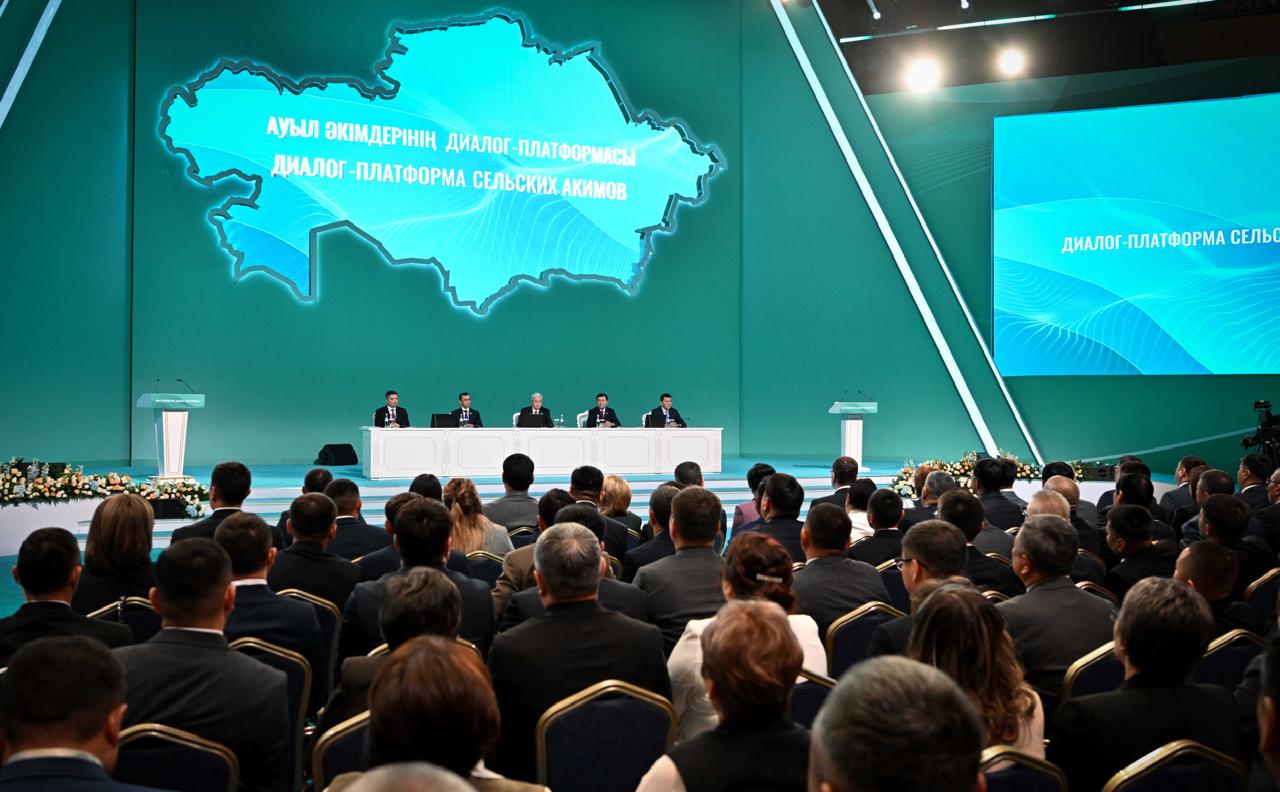
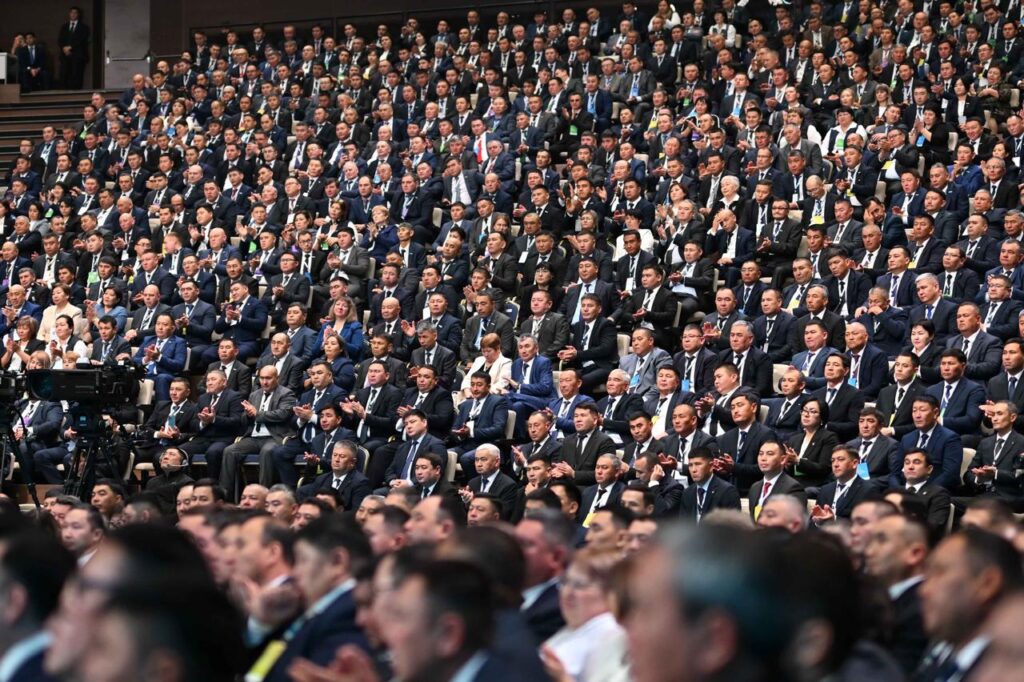
ASTANA — Speaking at a dialogue platform with newly elected rural mayors, President Kassym-Jomart Tokayev outlined Kazakhstan’s approach to political reform, rural development, and digital transformation, emphasizing gradual change, institutional stability, and stronger citizen participation at the local level.
According to Tokayev, Kazakhstan has deliberately chosen an evolutionary path of reform, avoiding abrupt political shifts while consistently modernizing its governance system. Since 2019, the country has adopted nearly twenty laws aimed at strengthening democratic institutions and improving the effectiveness of public administration.
Following a nationwide referendum, constitutional amendments redistributed powers among branches of government, enhanced the role of Parliament, increased executive accountability, and introduced new judicial institutions, including a Constitutional Court. Tokayev stressed that democratic mechanisms are viewed not as formal procedures, but as practical tools to improve governance quality and legal predictability.
Direct elections at the grassroots level
One of the most significant reforms highlighted by the president was the introduction of direct elections for rural mayors. Implemented gradually over five years, the reform was designed to strengthen local governance while avoiding administrative disruption.
More than 2,300 rural mayors have now been elected across the country. Their average age is 43, and around one-third come from outside the civil service, including representatives of political parties and independent candidates. According to sociological surveys cited during the dialogue, public trust in locally elected mayors exceeds 80 percent in rural areas.
Tokayev said the reform has revitalized political competition at the local level and created a more responsive model of governance, allowing residents to directly influence decision-making in their communities.
Why rural development matters
The president framed rural development as a strategic priority that goes beyond social policy. Rural areas, he said, are central to food security, territorial balance, and long-term national stability.
In recent years, hundreds of healthcare and education facilities have been built in rural regions, while access to digital infrastructure has expanded significantly. State support for agriculture has contributed to steady growth in gross agricultural output, which has surpassed 8 trillion tenge.
Tokayev emphasized the importance of increasing the economic self-sufficiency of rural districts by encouraging cooperation, entrepreneurship, and job creation. The overarching goal is to reduce dependency on budget transfers and improve living standards through sustainable local economies.
Digitalization and artificial intelligence in rural areas
Digital transformation featured prominently in the president’s remarks. Tokayev said Kazakhstan aims to become a fully digital state within three years, describing digitalization and artificial intelligence as essential for national development rather than optional technological upgrades.
He stressed that digital transformation must include rural areas and the agricultural sector. Digital platforms, he said, can improve budget efficiency, enhance transparency, support agricultural planning, and strengthen accountability at the local level.
Significant groundwork has already been laid, including expanded broadband access for rural schools and wider availability of digital public services. These measures are intended to narrow the gap between urban and rural living standards by improving access to services, education, and economic opportunities.
Tokayev acknowledged the global technological competition underway but said Kazakhstan’s objective is not dominance, but relevance — ensuring the country does not fall behind in the emerging digital economy.
Reform and stability in a changing world
Addressing the broader international context, the president said Kazakhstan’s reform strategy seeks to balance modernization with internal stability at a time of growing global uncertainty. Key priorities remain the rule of law, institutional continuity, and social cohesion.
Kazakhstan, he noted, continues to emphasize sovereignty and predictability in its foreign and domestic policies, avoiding confrontational rhetoric while focusing on long-term development, support for business, and national interests.
Tokayev concluded that Kazakhstan’s experience demonstrates that meaningful political and administrative reform is possible without shocks, offering an alternative model of gradual transformation suited to an increasingly volatile global environment.
https://www.akorda.kz/ru/vystuplenie-glavy-gosudarstva-na-dialog-platforme-selskih-akimov-28101540
/Argumentum.al