









• SHQIPËRI
  • KOSOVË
  • MAQEDONIA E VERIUT
  • MALI I ZI
  • Revista në PDF
3 June, 2026
  • Home
  • OP/ED

    Cyber Attribution, Corruption, and the False-Flag Question in Albania’s 2022 Alleged Iranian Cyberattack

    Between Russia, Iran and Europe: Azerbaijan as a balancing power in the South Caucasus

    The Zero-Tariff Gate: Sovereignty as a Service in the Sino-African Corridor

    Albania vs. the Sea/ Marginal Notes on A. Leka’s Novel The Hidden Side of the Albanian Socialist Garden

    May 9 and the long shadow of a Letter: Is Europe still Schuman’s Project?

    The Arbnesh of Zadar: A living memory of Albanian identity on the Adriatic coast

    Science Diplomacy and Academic Freedom: A strategic nexus for contemporary diplomacy

    Serbia and Kosovo between new regional alliances and old geopolitical patterns

    Hungarian Writers and the European Spirit: Between Central Europe, Auschwitz, and Inner Exile

  • Interview

    Exclusive Interview with Oleksandr Tyshchenko: A 40-Year Legacy of Chernobyl, Nuclear Risks, and Global Responsibility

    INTERVIEW: ZLATKO KRAMARIĆ – THOUGHTS ON THE OLD CONTINENT

    EXCLUSIVE / Ukrainian Ambassador to Albania, Volodymyr Shkurov: “Ukraine wants peace, but not at the expense of its freedom and independence”

    EXCLUSIVE| Ambassador Tayyar Kagan Atay: Türkiye and Albania, a Strategic Partnership Rooted in Shared Heritage and a Common Vision for the Future

    “Diplomacy, Not War”: Palestinian Ambassador to Albania Calls for Justice, Peace, and Global Action for Gaza

    Exclusive: “Even After Tito – Tito”/ Ambassador Zlatko Kramarić on Authoritarian Legacies and Democracy’s Future in the Balkans

    The Conclusion of the Diplomatic Mission / Ambassador Dancho Markovski: Strengthening Albania-North Macedonia Relations for a Shared European Future

    A Century of Diplomatic Relations Between Albania and Russia: Exclusive Interview with the Russian Ambassador to Albania, H.E. Alexey Zaytsev

    Exclusive/ The chairman of the Freedom Party, Ilir Meta: “The will of the citizens will triumph in Albania, as it did in North Macedonia”

  • Realpolitik

    IBAR? ”Sufficiently! Much ado about nothing! Shart contrasts in Beijing! Where is the exit?!

    Neither peace nor war! Peace with bombs?! IBAR in autumn?! Not another Hormuz in Taivan! 

    IBAR – a springing board or an obstacle? Can we catch the EU Negotiation train 2027? When the dress makes the news!  EU electoral April  ends in a draw 1:1!  

    The European Parliament building in Strasbourg, France with flags waving calmly celebrating peace of the Europe. July 12, 2020.

    EU 2027 or 2037! Even half membership failed! No exit strategy!     

    What next?

    “With diplomatic velvet“! Major question marks! In Washington yes, but  in the White House NO! A strange dinner in Brussels!

    From a great ‘apple of disaccord’ to a  point of  cooperation! A bad start! The strange absence in Davos!

    5 lessons from the American 3 January! Don’t count the chicken before they are hatched! Will NATO freeze in Greenland? Wrong diplomatic messages!

    German Chancellor Friedrich Merz, European Commission President Ursula von der Leyen, Ukraine's President Volodymyr Zelenskiy, U.S. Special Envoy Steve Witkoff and Jared Kushner, son-in-law of U.S. President Donald Trump line up for a family photo opportunity at the Chancellery in Berlin, Germany, December 15, 2025.    REUTERS/Lisi Niesner/Pool

    A Strategy that could change the world! Europe in Berlin! Why an historic compromise? Only charm diplomacy in Athens!

  • Current Events

    Serbia – China 2026: Technological partnership, geopolitical positioning and a new phase of the Chinese presence in the Western Balkans

    The Digital Protectorate: How the EU AI Act Codified Silicon Valley’s Monopoly

    The 28th MFC Annual Conference in Durrës / Sulaj: Microfinance remains a key instrument for financial inclusion

    Serbia at the Crossroads of EU Integration and Geopolitical Balancing: IFIMES Analysis

    Tirana – €20 Million EU–Banking Agreement Boosts Albanian SMEs

    The Myth of Independence: How Chinese Efficiency is Rewriting the Constitution of Modern Geopolitics!

    Europe Yesterday and Today: Why 9 May Still Matters

    “EU4Municipalities II” Project, a Strategic Investment for Strengthening Municipalities and Accelerating Albania’s Path towards the EU

    Eight Years in the Service of Identity: The Journey of the Montenegrin Community in Albania

  • Top News

    No End in Sight: Trump, Netanyahu and the Expanding Middle East War

    Tirana – €20 Million EU–Banking Agreement Boosts Albanian SMEs

    “EU4Municipalities II” Project, a Strategic Investment for Strengthening Municipalities and Accelerating Albania’s Path towards the EU

    Albania, Italy deepen defence ties with naval shipbuilding deal

    U.S. Embassy: Iran-Linked Groups May Target Americans and Iranian Opposition in Albania

    The Council of Albanian Ambassadors disappointed with the voting of the draft law on the foreign service in the parliamentary committees.

    Prime Minister Edi Rama Addresses Israel’s Knesset in Historic Special Session

    Kazakhstan’s Strategic Reform Agenda: Stability, Modern Governance, and Responsible Diplomacy

    Trump Invites Rama to Peace Board, Prime Minister: Proud of Albania

  • YOUR VOICE
  • Shqip
No Result
View All Result
Argumentum
  • Home
  • OP/ED

    Cyber Attribution, Corruption, and the False-Flag Question in Albania’s 2022 Alleged Iranian Cyberattack

    Between Russia, Iran and Europe: Azerbaijan as a balancing power in the South Caucasus

    The Zero-Tariff Gate: Sovereignty as a Service in the Sino-African Corridor

    Albania vs. the Sea/ Marginal Notes on A. Leka’s Novel The Hidden Side of the Albanian Socialist Garden

    May 9 and the long shadow of a Letter: Is Europe still Schuman’s Project?

    The Arbnesh of Zadar: A living memory of Albanian identity on the Adriatic coast

    Science Diplomacy and Academic Freedom: A strategic nexus for contemporary diplomacy

    Serbia and Kosovo between new regional alliances and old geopolitical patterns

    Hungarian Writers and the European Spirit: Between Central Europe, Auschwitz, and Inner Exile

  • Interview

    Exclusive Interview with Oleksandr Tyshchenko: A 40-Year Legacy of Chernobyl, Nuclear Risks, and Global Responsibility

    INTERVIEW: ZLATKO KRAMARIĆ – THOUGHTS ON THE OLD CONTINENT

    EXCLUSIVE / Ukrainian Ambassador to Albania, Volodymyr Shkurov: “Ukraine wants peace, but not at the expense of its freedom and independence”

    EXCLUSIVE| Ambassador Tayyar Kagan Atay: Türkiye and Albania, a Strategic Partnership Rooted in Shared Heritage and a Common Vision for the Future

    “Diplomacy, Not War”: Palestinian Ambassador to Albania Calls for Justice, Peace, and Global Action for Gaza

    Exclusive: “Even After Tito – Tito”/ Ambassador Zlatko Kramarić on Authoritarian Legacies and Democracy’s Future in the Balkans

    The Conclusion of the Diplomatic Mission / Ambassador Dancho Markovski: Strengthening Albania-North Macedonia Relations for a Shared European Future

    A Century of Diplomatic Relations Between Albania and Russia: Exclusive Interview with the Russian Ambassador to Albania, H.E. Alexey Zaytsev

    Exclusive/ The chairman of the Freedom Party, Ilir Meta: “The will of the citizens will triumph in Albania, as it did in North Macedonia”

  • Realpolitik

    IBAR? ”Sufficiently! Much ado about nothing! Shart contrasts in Beijing! Where is the exit?!

    Neither peace nor war! Peace with bombs?! IBAR in autumn?! Not another Hormuz in Taivan! 

    IBAR – a springing board or an obstacle? Can we catch the EU Negotiation train 2027? When the dress makes the news!  EU electoral April  ends in a draw 1:1!  

    The European Parliament building in Strasbourg, France with flags waving calmly celebrating peace of the Europe. July 12, 2020.

    EU 2027 or 2037! Even half membership failed! No exit strategy!     

    What next?

    “With diplomatic velvet“! Major question marks! In Washington yes, but  in the White House NO! A strange dinner in Brussels!

    From a great ‘apple of disaccord’ to a  point of  cooperation! A bad start! The strange absence in Davos!

    5 lessons from the American 3 January! Don’t count the chicken before they are hatched! Will NATO freeze in Greenland? Wrong diplomatic messages!

    German Chancellor Friedrich Merz, European Commission President Ursula von der Leyen, Ukraine's President Volodymyr Zelenskiy, U.S. Special Envoy Steve Witkoff and Jared Kushner, son-in-law of U.S. President Donald Trump line up for a family photo opportunity at the Chancellery in Berlin, Germany, December 15, 2025.    REUTERS/Lisi Niesner/Pool

    A Strategy that could change the world! Europe in Berlin! Why an historic compromise? Only charm diplomacy in Athens!

  • Current Events

    Serbia – China 2026: Technological partnership, geopolitical positioning and a new phase of the Chinese presence in the Western Balkans

    The Digital Protectorate: How the EU AI Act Codified Silicon Valley’s Monopoly

    The 28th MFC Annual Conference in Durrës / Sulaj: Microfinance remains a key instrument for financial inclusion

    Serbia at the Crossroads of EU Integration and Geopolitical Balancing: IFIMES Analysis

    Tirana – €20 Million EU–Banking Agreement Boosts Albanian SMEs

    The Myth of Independence: How Chinese Efficiency is Rewriting the Constitution of Modern Geopolitics!

    Europe Yesterday and Today: Why 9 May Still Matters

    “EU4Municipalities II” Project, a Strategic Investment for Strengthening Municipalities and Accelerating Albania’s Path towards the EU

    Eight Years in the Service of Identity: The Journey of the Montenegrin Community in Albania

  • Top News

    No End in Sight: Trump, Netanyahu and the Expanding Middle East War

    Tirana – €20 Million EU–Banking Agreement Boosts Albanian SMEs

    “EU4Municipalities II” Project, a Strategic Investment for Strengthening Municipalities and Accelerating Albania’s Path towards the EU

    Albania, Italy deepen defence ties with naval shipbuilding deal

    U.S. Embassy: Iran-Linked Groups May Target Americans and Iranian Opposition in Albania

    The Council of Albanian Ambassadors disappointed with the voting of the draft law on the foreign service in the parliamentary committees.

    Prime Minister Edi Rama Addresses Israel’s Knesset in Historic Special Session

    Kazakhstan’s Strategic Reform Agenda: Stability, Modern Governance, and Responsible Diplomacy

    Trump Invites Rama to Peace Board, Prime Minister: Proud of Albania

  • YOUR VOICE
  • Shqip
No Result
View All Result
Argumentum
No Result
View All Result
Home ENGLISH

Questions Remain as to Whether European Allies Trust that Biden Truly Represents a Long-lasting Reset

17 June, 2021
in ENGLISH, In Focus
A A
Share on FacebookShare on Twitter

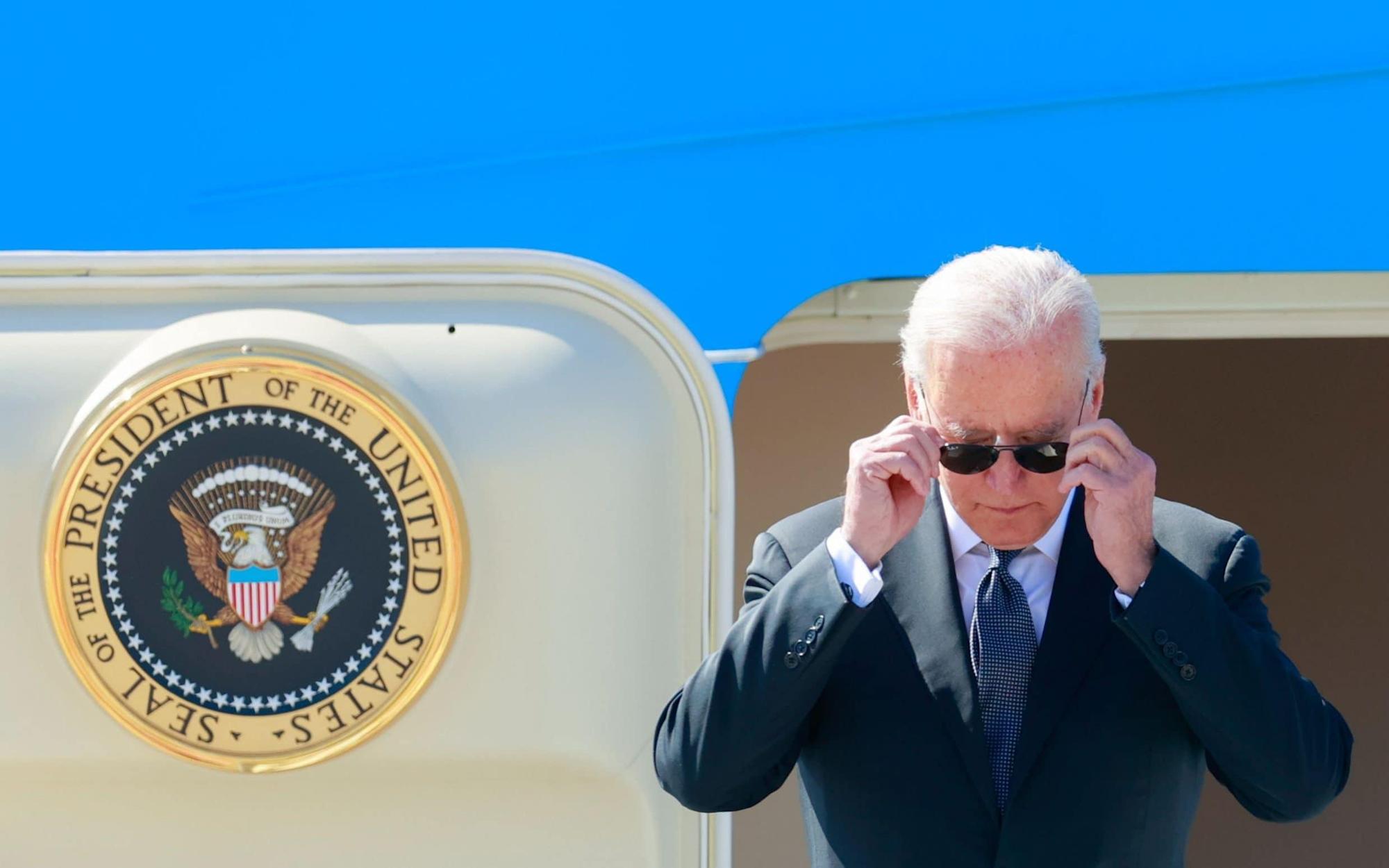
President Joe Biden spent his first trip overseas highlighting a sharp break from his disruptive predecessor, selling that the United States was once more a reliable ally with a steady hand at the wheel. European allies welcomed the pitch — and even a longtime foe acknowledged it.

But while Biden returned Wednesday night to Washington after a week across the Atlantic that was a mix of messaging and deliverables, questions remained as to whether those allies would trust that Biden truly represents a long-lasting reset or whether Russian President Vladimir Putin would curb his nation’s misbehaviors.

Biden’s mantra, which he uttered in Geneva and Brussels and on the craggy coast of Cornwall, England, was that “America was back.” It was Putin, of all people, on the trip’s final moments, who may have best defined Biden’s initial voyage overseas.

“President Biden is an experienced statesman,” Putin told reporters. “He is very different from President Trump.”

But the summit with Putin in Geneva, which shadowed the entire trip and brought it to its close, also underscored the fragility of Biden’s declarations that the global order had returned.

Though both men declared the talks constructive, Putin’s rhetoric did not change, as he refused to accept any responsibility for his nation’s election interference, cyberhacking or crackdown on domestic political opponents. At the summit’s conclusion Biden acknowledged that he could not be confident that Putin would change his behavior even with newly threatened consequences.

Biden’s multilateral summits with fellow democracies — the Group of Seven wealthy nations and NATO — were largely punctuated by sighs of relief from European leaders who had been rattled by President Donald Trump over four years. Yet there were still closed-door disagreement on just how the Western powers should deal with Russia or Biden’s declaration that an economic competition with China would define the 21st century.

“Everyone at the table understood and understands both the seriousness and the challenges that we’re up against, and the responsibility of our proud democracies to step up and deliver for the rest of the world,” Biden said Sunday in England.

The leaders staked their claim to bringing the world out of the coronavirus pandemic and crisis, pledging more than 1 billion coronavirus vaccine doses to poorer nations, vowing to help developing countries grow while fighting climate change and backing a minimum tax on multinational firms.

At the group’s first face-to-face meeting in two years because of the pandemic, the leaders dangled promises of support for global health, green energy, infrastructure and education — all to demonstrate that international cooperation is back after the upheavals caused by the pandemic and Trump’s unpredictability. There were concerns, though, that not enough was done to combat climate change and that 1 billion doses were not nearly sufficient to meet the stated goal of ending the COVID-19 pandemic globally by the end of 2022.

The seven nations met in Cornwall and largely adhered to Biden’s hope that they rally together to declare they would be a better friend to poorer nations than authoritarian rivals such as China. A massive infrastructure plan for the developing world, meant to compete with Beijing’s efforts, was commissioned, and China was called out for human rights abuses, prompting an angry response from the Asian power.

But even then, there were strains, with Germany, Italy and the representatives for the European Union reluctant to call out China, a valuable trading partner, too harshly. And there a wariness in some European capitals that it was Biden, rather than Trump, who was the aberration to American foreign policy and that the United States could soon fall back into a transactional, largely inward-looking approach.

After Cornwall, the scene shifted to Brussels where many of the same faces met for a gathering at NATO. Biden used the moment to highlight the renewed U.S. commitment to the 30-country alliance that was formed as a bulwark to Moscow’s aggression but frequently maligned by his predecessor.

He also underscored the U.S. commitment to Article 5 of the alliance charter, which spells out that an attack — including, as of this summit, some cyberattacks — on any member is an assault on all and is to be met with a collective response. Trump had refused to commit to the pact and had threatened to pull the U.S. out of the alliance.

“Article 5 we take as a sacred obligation,” said Biden. “I want NATO to know America is there.”

When Air Force One touched back down in Washington, Biden again faced an uncertain future for his legislative agenda, the clock ticking on a deadline to land a bipartisan infrastructure deal as the president was confronted with growing intransigence from Republicans and mounting impatience from fellow Democrats. But Biden and his aides believe he accomplished what he set out to do in Europe.

The most tactile of politicians, Biden reveled in the face-to-face diplomacy, having grown frustrated with trying to negotiate with world leaders over Zoom. Even amid some disagreements, he was greeted warmly by most of his peers, other presidents and prime ministers eager to exchange awkward elbow bumps and adopt his “build back better” catchphrase.

At the end of each day, Biden would huddle with aides, including Secretary of State Tony Blinken and national security adviser Jake Sullivan, eagerly going over a play-by-play of the day’s meetings and preparing for the next. Aides padded his schedule with some down time to pace the 78-year-old president, though there were still a few missteps, including some verbal flubs and when he simply neglected to announce a Boeing-Airbus deal in front of the European Council.

His summit with Putin, coming three years after Trump sided with the Russian leader over U.S. intelligence agencies when those two men met in Helsinki, loomed over the trip, with the cable networks giving it Super Bowl levels of hype. Aides wanted to confront Putin early in the presidency, with some hope of reining in Moscow and reaching some stability so the administration could more squarely focus on China.

There were no fireworks in their summit near the Swiss Alps, and the nations agreed to return ambassadors to each other’s capitals and took some small steps toward strategic stability.

But while Biden was able to deliver stern warnings to Putin behind closed doors, he also extracted few promises. In the Russian president’s post-summit remarks, he engaged in classic Putin misdirection and what-about-ism to undermine any of the United States’ moral high ground.

In his own Geneva news conference, Biden stood against a postcard-perfect backdrop of a tree-lined lake, taking off his suit jacket as the sun beat down from behind, so bright that reporters had trouble looking directly at the president.

Once more, Biden declared that America was back, but he also soberly made clear that it was impossible to immediately know if any progress with Russia had, in fact, been made.

“What will change their behavior is if the rest of world reacts to them and it diminishes their standing in the world,” Biden said. “I’m not confident of anything; I’m just stating a fact.”

/ www.argumentum.al

Tags: bidenrussiausa

Related Posts

Current Events

Serbia – China 2026: Technological partnership, geopolitical positioning and a new phase of the Chinese presence in the Western Balkans

1 June, 2026
ENGLISH

IBAR? ”Sufficiently! Much ado about nothing! Shart contrasts in Beijing! Where is the exit?!

1 June, 2026
ENGLISH

How Alkida Lushaj is redefining democratic inclusion globally

31 May, 2026

Follow US

Subscribe

Receive Argumentum Magazine by Email

Last Posts

Serbia – China 2026: Technological partnership, geopolitical positioning and a new phase of the Chinese presence in the Western Balkans

1 June, 2026

IBAR? ”Sufficiently! Much ado about nothing! Shart contrasts in Beijing! Where is the exit?!

1 June, 2026

How Alkida Lushaj is redefining democratic inclusion globally

31 May, 2026

Cyber Attribution, Corruption, and the False-Flag Question in Albania’s 2022 Alleged Iranian Cyberattack

30 May, 2026

The Digital Protectorate: How the EU AI Act Codified Silicon Valley’s Monopoly

30 May, 2026
Argumentum

“Argumentum”, një proces intelektual …

Contact Us

[email protected]
[email protected]
[email protected]

Follow Us

Media Partner

Register

Receive Argumentum Magazine by Email
  • Home
  • Privacy Policy
  • About Us
  • Contact

© 2022 Argumentum. All Rights Reserved. | NUIS: L91415033Q

Welcome Back!

Login to your account below

Forgotten Password? Sign Up

Create New Account!

Fill the forms bellow to register

*By registering into our website, you agree to the Terms & Conditions and Privacy Policy.
All fields are required. Log In

Retrieve your password

Please enter your username or email address to reset your password.

Log In

Add New Playlist

No Result
View All Result
  • Home
  • OP/ED
  • Interview
  • Realpolitik
  • Current Events
  • Top News
  • YOUR VOICE
  • Shqip

© 2022 Argumentum. All Rights Reserved. | NUIS: L91415033Q

This website uses cookies. By continuing to use this website you are giving consent to cookies being used. Visit our Privacy and Cookie Policy.