





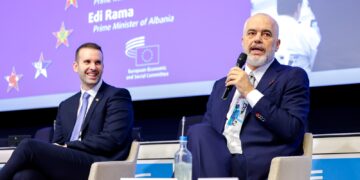

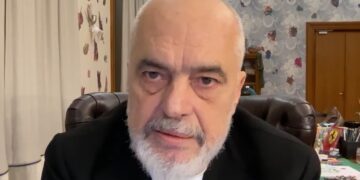

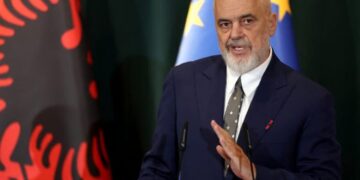
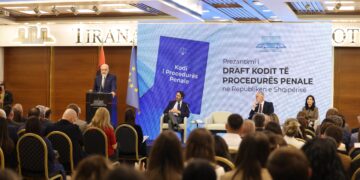

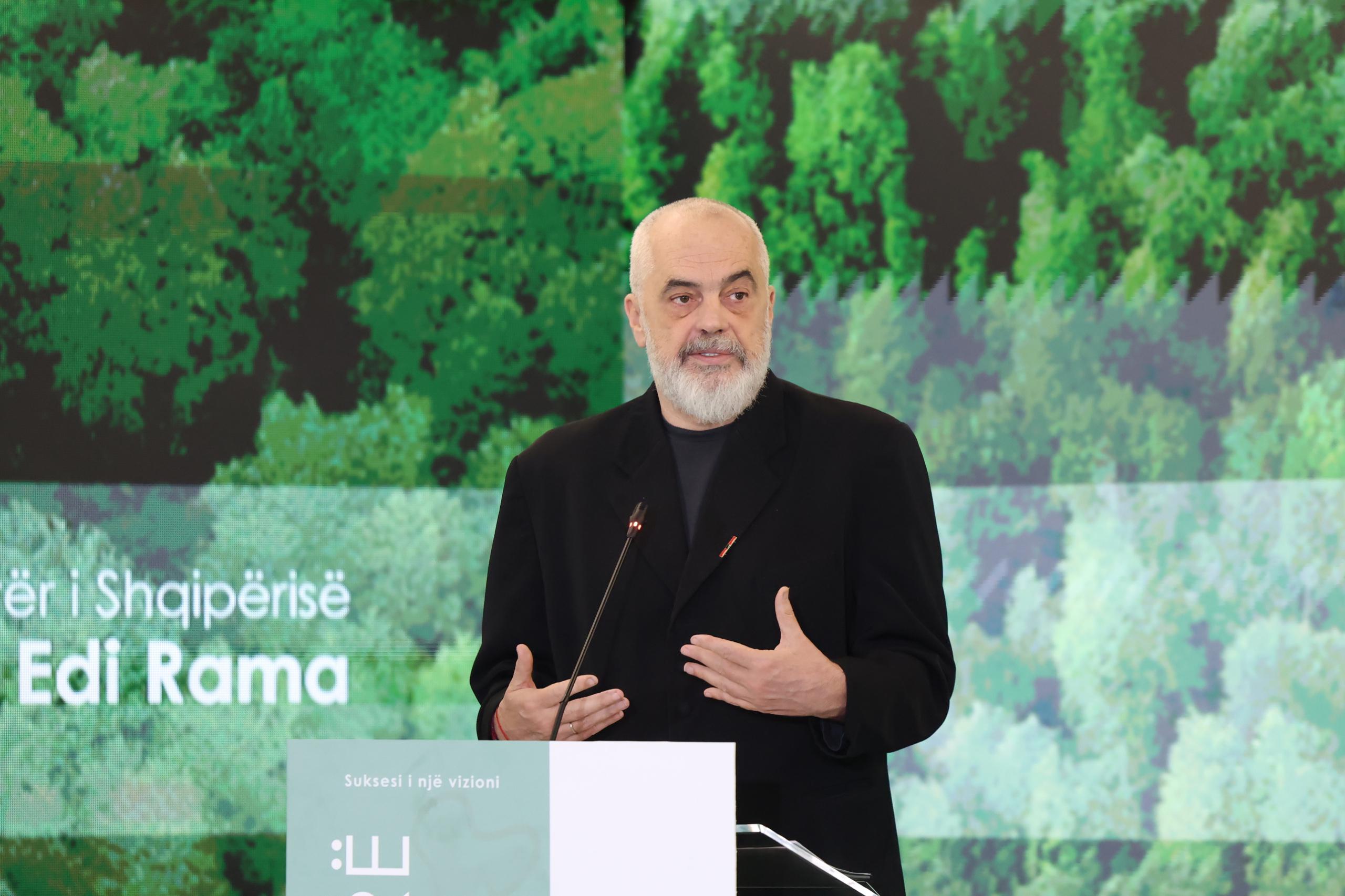
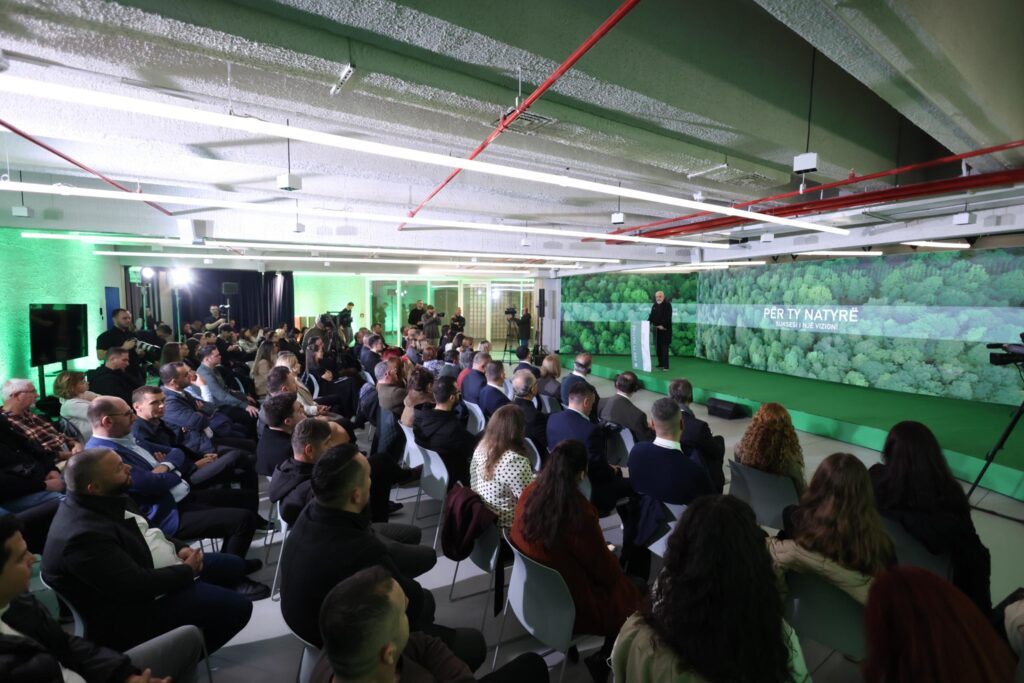
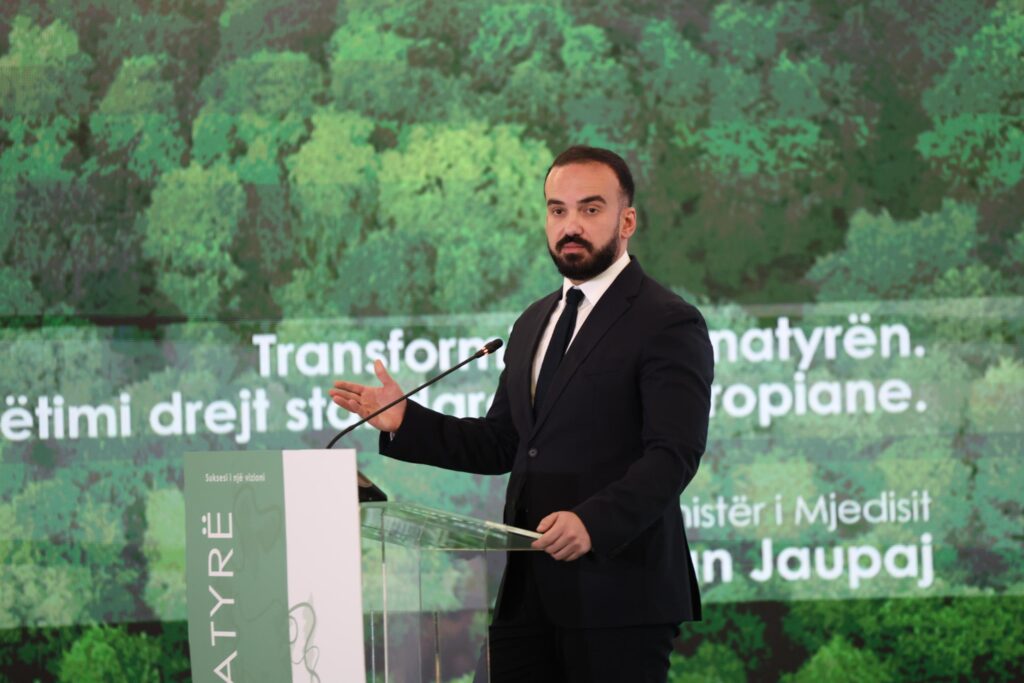
In a significant step towards aligning Albania’s environmental and forestry management with European Union standards, a new strategic plan has been unveiled that aims to usher in an era of sustainable development and improved protection of natural resources. The initiative was launched at the “For You, Nature” forum, a key event attended by Prime Minister Edi Rama, Minister of Environment, Sofjan Jaupaj, environmental experts, institutional leaders, international partners, and nature advocates.
The forum focused on a technical presentation of a new platform dedicated to the sustainable development of Albania’s forests and protected areas. The platform aims to enhance the preservation of national resources while aligning with Albania’s goal of EU integration. This marks the beginning of a critical reform process in Albania’s environmental sector, focusing on forest and nature management.
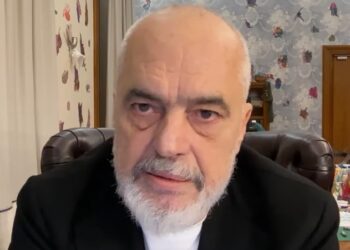
Prime Minister Rama underscored the importance of this initiative, stating that it represents a turning point in the country’s environmental policies, particularly in terms of forest regeneration and wildlife restoration. He reflected on the progress Albania has made in recent years, citing the success of two radical measures — moratoriums on illegal logging and hunting — which were met with skepticism but have since resulted in substantial environmental improvements.
“The reform of forest and nature management starts with restructuring the National Agency of Protected Areas and the National Forestry Agency,” said Prime Minister Rama. “By merging these institutions, we aim to create synergy and establish a unified model for managing Albania’s natural heritage.”
Strengthening Protected Areas and Forest Management
One of the key aspects of the new strategy is the consolidation of the country’s management systems for protected areas and forests. Currently, forest management in Albania is fragmented and lacks coherence. The reform will focus on creating a more standardized and unified approach, ensuring that forest and protected area management is both efficient and sustainable.
A major part of the reform will also involve the creation of a national biodiversity monitoring system. This system will gather and analyze data to inform future planning and policies, ensuring that Albania’s conservation efforts are scientifically grounded.
Prime Minister Rama also emphasized the urgent need to address wildfires, particularly during the summer months. “We must intervene more boldly and dedicate far greater attention to our forests each year,” he said, noting that wildfire management remains a pressing challenge. As part of the strategy, new financial resources will be allocated for the introduction of advanced technologies, including drone-based reforestation to increase precision and planting capacity.
Financial Resources and Green Infrastructure
To support reforestation efforts, Albania will be expanding its public nursery capacities through partnerships with municipalities. The new National Agency of Protected Areas and Forests, once fully operational, will oversee a fund to support these initiatives, which include increased investment in seedling production and the use of artificial intelligence in forest management.
A new legal measure has also been introduced requiring construction companies in Albania to contribute to a green fund based on the square meters they build. This initiative aims to encourage sustainable development and generate additional funds for environmental conservation.
Prime Minister Rama also highlighted the financial potential of protected areas, which, when managed effectively, can become a significant source of revenue. “In the past three to four years, the National Agency of Protected Areas has quadrupled its revenues,” he said. This success has been driven by improved revenue management systems, such as the introduction of electronic ticketing in key tourist sites like The Blue Eye, Kune Vain, and Mount Dajti.
Aligning with EU Standards and Ensuring Long-Term Success
As Albania moves closer to EU membership, the environmental chapter in its negotiations remains one of the most challenging. However, the country has made significant strides, and Prime Minister Rama expressed confidence that the ongoing reforms would ensure Albania meets the stringent EU standards for environmental protection.
“The environmental negotiation chapter is perhaps the most difficult of all,” he said. “The requirements and standards are maximal, and while we have made extraordinary progress, we still have much work to do in a very short time.”
Looking ahead, the government is committed to continuing its efforts to strengthen the country’s environmental protection framework and create a nature-based economy that balances conservation with economic growth. Prime Minister Rama concluded by emphasizing the need for continued dialogue with environmental advocates, acknowledging that their role, while sometimes disruptive, is vital to the success of the country’s reform efforts.
“We must continue to listen to the voices of environmental advocates, who, despite creating tension, are essential for ensuring that Albania’s future is one where economic development and environmental preservation go hand in hand,” he said.
With a focus on improving forest management, expanding protected areas, and promoting sustainable development, Albania is setting the stage for a greener future, one that aligns with EU environmental standards while fostering economic growth.
/Argumentum.al