













• SHQIPËRI
  • KOSOVË
  • MAQEDONIA E VERIUT
  • MALI I ZI
  • Revista në PDF
4 June, 2026
  • Home
  • OP/ED

    Cyber Attribution, Corruption, and the False-Flag Question in Albania’s 2022 Alleged Iranian Cyberattack

    Between Russia, Iran and Europe: Azerbaijan as a balancing power in the South Caucasus

    The Zero-Tariff Gate: Sovereignty as a Service in the Sino-African Corridor

    Albania vs. the Sea/ Marginal Notes on A. Leka’s Novel The Hidden Side of the Albanian Socialist Garden

    May 9 and the long shadow of a Letter: Is Europe still Schuman’s Project?

    The Arbnesh of Zadar: A living memory of Albanian identity on the Adriatic coast

    Science Diplomacy and Academic Freedom: A strategic nexus for contemporary diplomacy

    Serbia and Kosovo between new regional alliances and old geopolitical patterns

    Hungarian Writers and the European Spirit: Between Central Europe, Auschwitz, and Inner Exile

  • Interview

    Exclusive Interview with Oleksandr Tyshchenko: A 40-Year Legacy of Chernobyl, Nuclear Risks, and Global Responsibility

    INTERVIEW: ZLATKO KRAMARIĆ – THOUGHTS ON THE OLD CONTINENT

    EXCLUSIVE / Ukrainian Ambassador to Albania, Volodymyr Shkurov: “Ukraine wants peace, but not at the expense of its freedom and independence”

    EXCLUSIVE| Ambassador Tayyar Kagan Atay: Türkiye and Albania, a Strategic Partnership Rooted in Shared Heritage and a Common Vision for the Future

    “Diplomacy, Not War”: Palestinian Ambassador to Albania Calls for Justice, Peace, and Global Action for Gaza

    Exclusive: “Even After Tito – Tito”/ Ambassador Zlatko Kramarić on Authoritarian Legacies and Democracy’s Future in the Balkans

    The Conclusion of the Diplomatic Mission / Ambassador Dancho Markovski: Strengthening Albania-North Macedonia Relations for a Shared European Future

    A Century of Diplomatic Relations Between Albania and Russia: Exclusive Interview with the Russian Ambassador to Albania, H.E. Alexey Zaytsev

    Exclusive/ The chairman of the Freedom Party, Ilir Meta: “The will of the citizens will triumph in Albania, as it did in North Macedonia”

  • Realpolitik

    IBAR? ”Sufficiently! Much ado about nothing! Shart contrasts in Beijing! Where is the exit?!

    Neither peace nor war! Peace with bombs?! IBAR in autumn?! Not another Hormuz in Taivan! 

    IBAR – a springing board or an obstacle? Can we catch the EU Negotiation train 2027? When the dress makes the news!  EU electoral April  ends in a draw 1:1!  

    The European Parliament building in Strasbourg, France with flags waving calmly celebrating peace of the Europe. July 12, 2020.

    EU 2027 or 2037! Even half membership failed! No exit strategy!     

    What next?

    “With diplomatic velvet“! Major question marks! In Washington yes, but  in the White House NO! A strange dinner in Brussels!

    From a great ‘apple of disaccord’ to a  point of  cooperation! A bad start! The strange absence in Davos!

    5 lessons from the American 3 January! Don’t count the chicken before they are hatched! Will NATO freeze in Greenland? Wrong diplomatic messages!

    German Chancellor Friedrich Merz, European Commission President Ursula von der Leyen, Ukraine's President Volodymyr Zelenskiy, U.S. Special Envoy Steve Witkoff and Jared Kushner, son-in-law of U.S. President Donald Trump line up for a family photo opportunity at the Chancellery in Berlin, Germany, December 15, 2025.    REUTERS/Lisi Niesner/Pool

    A Strategy that could change the world! Europe in Berlin! Why an historic compromise? Only charm diplomacy in Athens!

  • Current Events

    Serbia – China 2026: Technological partnership, geopolitical positioning and a new phase of the Chinese presence in the Western Balkans

    The Digital Protectorate: How the EU AI Act Codified Silicon Valley’s Monopoly

    The 28th MFC Annual Conference in Durrës / Sulaj: Microfinance remains a key instrument for financial inclusion

    Serbia at the Crossroads of EU Integration and Geopolitical Balancing: IFIMES Analysis

    Tirana – €20 Million EU–Banking Agreement Boosts Albanian SMEs

    The Myth of Independence: How Chinese Efficiency is Rewriting the Constitution of Modern Geopolitics!

    Europe Yesterday and Today: Why 9 May Still Matters

    “EU4Municipalities II” Project, a Strategic Investment for Strengthening Municipalities and Accelerating Albania’s Path towards the EU

    Eight Years in the Service of Identity: The Journey of the Montenegrin Community in Albania

  • Top News

    No End in Sight: Trump, Netanyahu and the Expanding Middle East War

    Tirana – €20 Million EU–Banking Agreement Boosts Albanian SMEs

    “EU4Municipalities II” Project, a Strategic Investment for Strengthening Municipalities and Accelerating Albania’s Path towards the EU

    Albania, Italy deepen defence ties with naval shipbuilding deal

    U.S. Embassy: Iran-Linked Groups May Target Americans and Iranian Opposition in Albania

    The Council of Albanian Ambassadors disappointed with the voting of the draft law on the foreign service in the parliamentary committees.

    Prime Minister Edi Rama Addresses Israel’s Knesset in Historic Special Session

    Kazakhstan’s Strategic Reform Agenda: Stability, Modern Governance, and Responsible Diplomacy

    Trump Invites Rama to Peace Board, Prime Minister: Proud of Albania

  • YOUR VOICE
  • Shqip
No Result
View All Result
Argumentum
  • Home
  • OP/ED

    Cyber Attribution, Corruption, and the False-Flag Question in Albania’s 2022 Alleged Iranian Cyberattack

    Between Russia, Iran and Europe: Azerbaijan as a balancing power in the South Caucasus

    The Zero-Tariff Gate: Sovereignty as a Service in the Sino-African Corridor

    Albania vs. the Sea/ Marginal Notes on A. Leka’s Novel The Hidden Side of the Albanian Socialist Garden

    May 9 and the long shadow of a Letter: Is Europe still Schuman’s Project?

    The Arbnesh of Zadar: A living memory of Albanian identity on the Adriatic coast

    Science Diplomacy and Academic Freedom: A strategic nexus for contemporary diplomacy

    Serbia and Kosovo between new regional alliances and old geopolitical patterns

    Hungarian Writers and the European Spirit: Between Central Europe, Auschwitz, and Inner Exile

  • Interview

    Exclusive Interview with Oleksandr Tyshchenko: A 40-Year Legacy of Chernobyl, Nuclear Risks, and Global Responsibility

    INTERVIEW: ZLATKO KRAMARIĆ – THOUGHTS ON THE OLD CONTINENT

    EXCLUSIVE / Ukrainian Ambassador to Albania, Volodymyr Shkurov: “Ukraine wants peace, but not at the expense of its freedom and independence”

    EXCLUSIVE| Ambassador Tayyar Kagan Atay: Türkiye and Albania, a Strategic Partnership Rooted in Shared Heritage and a Common Vision for the Future

    “Diplomacy, Not War”: Palestinian Ambassador to Albania Calls for Justice, Peace, and Global Action for Gaza

    Exclusive: “Even After Tito – Tito”/ Ambassador Zlatko Kramarić on Authoritarian Legacies and Democracy’s Future in the Balkans

    The Conclusion of the Diplomatic Mission / Ambassador Dancho Markovski: Strengthening Albania-North Macedonia Relations for a Shared European Future

    A Century of Diplomatic Relations Between Albania and Russia: Exclusive Interview with the Russian Ambassador to Albania, H.E. Alexey Zaytsev

    Exclusive/ The chairman of the Freedom Party, Ilir Meta: “The will of the citizens will triumph in Albania, as it did in North Macedonia”

  • Realpolitik

    IBAR? ”Sufficiently! Much ado about nothing! Shart contrasts in Beijing! Where is the exit?!

    Neither peace nor war! Peace with bombs?! IBAR in autumn?! Not another Hormuz in Taivan! 

    IBAR – a springing board or an obstacle? Can we catch the EU Negotiation train 2027? When the dress makes the news!  EU electoral April  ends in a draw 1:1!  

    The European Parliament building in Strasbourg, France with flags waving calmly celebrating peace of the Europe. July 12, 2020.

    EU 2027 or 2037! Even half membership failed! No exit strategy!     

    What next?

    “With diplomatic velvet“! Major question marks! In Washington yes, but  in the White House NO! A strange dinner in Brussels!

    From a great ‘apple of disaccord’ to a  point of  cooperation! A bad start! The strange absence in Davos!

    5 lessons from the American 3 January! Don’t count the chicken before they are hatched! Will NATO freeze in Greenland? Wrong diplomatic messages!

    German Chancellor Friedrich Merz, European Commission President Ursula von der Leyen, Ukraine's President Volodymyr Zelenskiy, U.S. Special Envoy Steve Witkoff and Jared Kushner, son-in-law of U.S. President Donald Trump line up for a family photo opportunity at the Chancellery in Berlin, Germany, December 15, 2025.    REUTERS/Lisi Niesner/Pool

    A Strategy that could change the world! Europe in Berlin! Why an historic compromise? Only charm diplomacy in Athens!

  • Current Events

    Serbia – China 2026: Technological partnership, geopolitical positioning and a new phase of the Chinese presence in the Western Balkans

    The Digital Protectorate: How the EU AI Act Codified Silicon Valley’s Monopoly

    The 28th MFC Annual Conference in Durrës / Sulaj: Microfinance remains a key instrument for financial inclusion

    Serbia at the Crossroads of EU Integration and Geopolitical Balancing: IFIMES Analysis

    Tirana – €20 Million EU–Banking Agreement Boosts Albanian SMEs

    The Myth of Independence: How Chinese Efficiency is Rewriting the Constitution of Modern Geopolitics!

    Europe Yesterday and Today: Why 9 May Still Matters

    “EU4Municipalities II” Project, a Strategic Investment for Strengthening Municipalities and Accelerating Albania’s Path towards the EU

    Eight Years in the Service of Identity: The Journey of the Montenegrin Community in Albania

  • Top News

    No End in Sight: Trump, Netanyahu and the Expanding Middle East War

    Tirana – €20 Million EU–Banking Agreement Boosts Albanian SMEs

    “EU4Municipalities II” Project, a Strategic Investment for Strengthening Municipalities and Accelerating Albania’s Path towards the EU

    Albania, Italy deepen defence ties with naval shipbuilding deal

    U.S. Embassy: Iran-Linked Groups May Target Americans and Iranian Opposition in Albania

    The Council of Albanian Ambassadors disappointed with the voting of the draft law on the foreign service in the parliamentary committees.

    Prime Minister Edi Rama Addresses Israel’s Knesset in Historic Special Session

    Kazakhstan’s Strategic Reform Agenda: Stability, Modern Governance, and Responsible Diplomacy

    Trump Invites Rama to Peace Board, Prime Minister: Proud of Albania

  • YOUR VOICE
  • Shqip
No Result
View All Result
Argumentum
No Result
View All Result
Home ENGLISH

Lesson No 1 from Pandemic – We’re all Interdependent

31 March, 2020
in ENGLISH, English OP/ED
A A
Share on FacebookShare on Twitter

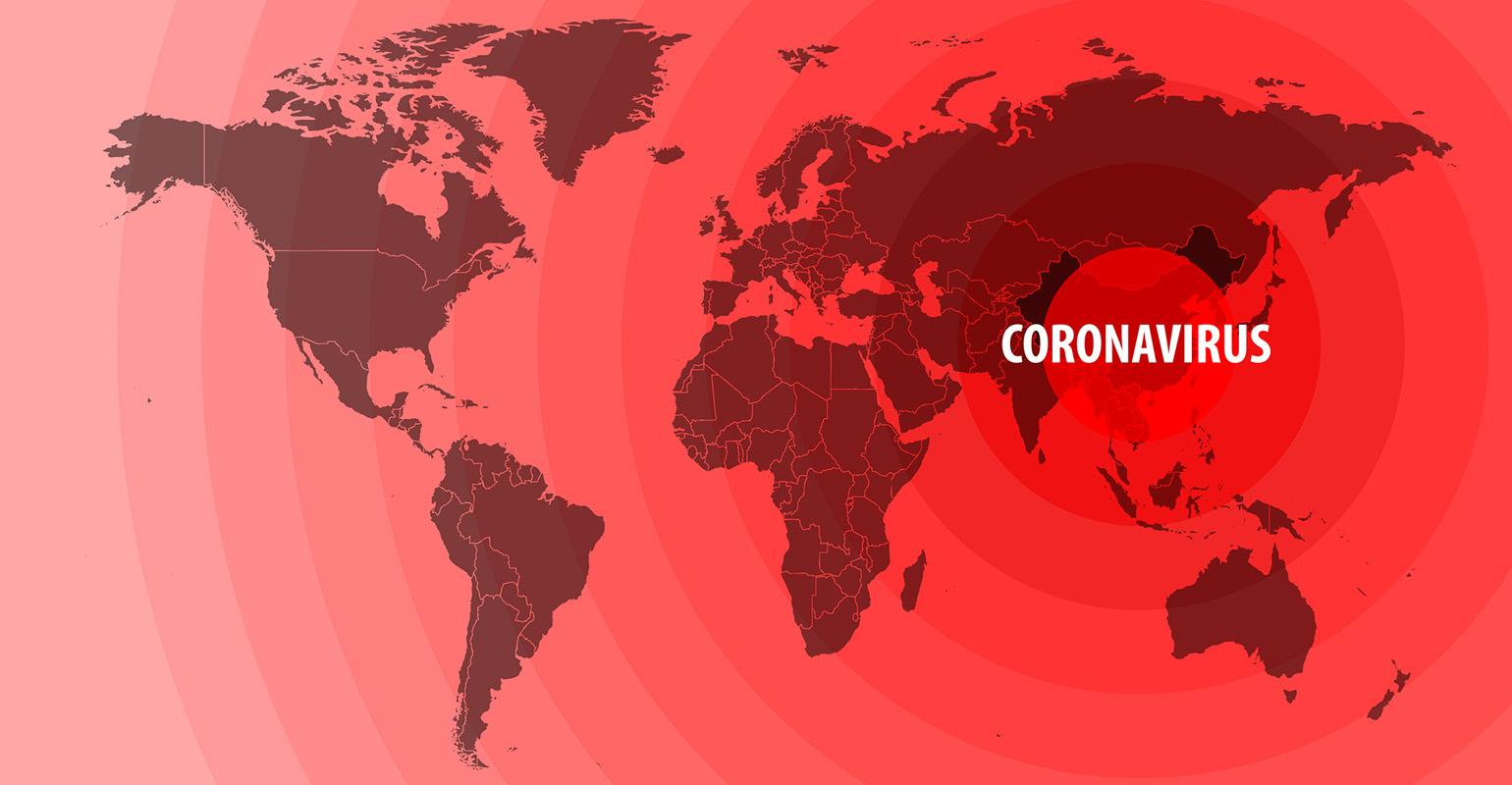
The coronavirus outbreak is a wake-up reminder to all of us that states can’t deal with global challenges alone – and that global cooperation is crucial

By Vesko Garcevic*

With the surge of people infected by the COVID-19 virus, and the US leading the world in confirmed cases, I can’t but remember Steven Soderbergh’s chilling 2011 movie Contagion.  Praised by scientists for its accuracy, it worries me with its grim story about the vulnerability of systems we trust, and lack of cooperation at the global level to address a pandemic thoroughly.

While we are nowhere near the end of this pandemic, with health officials and experts warning that, “We are in for a bumpy ride for the next 12 to 18 months”, there is no doubt that this year will become a lasting reference for decades to come. For years, we will refer to the world before and after corona. At schools and universities, it will be remembered as the “corona semester”.

But although the pandemic is causing human suffering, and is likely to instigate a severe economic decline, hopefully we can learn something from it. COVID-19 is a wake-up call to the world to modify the traditional, state-centric approaches we take to address global challenges.

Just as the Black Death followed trade routes and was a breeding ground for trade wars, the current pandemic is doing the same. It has tracked our globalizing world, following trade and tourist routes, leaving only distant and disconnected places untouched.

Technological progress has helped it travel faster. Instead of months or years, as pandemics used to take in the 14th century, it now takes only weeks to spread from one corner of the planet to another.

This crisis confirms how interdependent – and defenceless – we are. The virus does not recognize borders, and jumps easily over the walls and fences we’ve built to prevent migrants from coming to our homes. It exposes the vulnerability of the state-centric global system. We’ve created our defences to protect ourselves from humans, but not from the challenges of the future, which are mostly the results of our wrongdoings.

To address global challenges, we need to change our operational system. It needs an update fast. Take climate change.  World leaders have spent years discussing how to harmonize national policies on the environment and reduce CO2 emissions but little has been done.

Climate change, energy, food and water management, and the fight against terrorism or global pandemics – none of these things can be addressed without a new type of global cooperation.

A potential food crisis is not just a gruesome science-fiction story, as it was in Contagion. It could happen in the foreseeable future, sooner than we believe. Our future collaboration, therefore, should go further from common narratives about what global threats are. It should include mutually supportive and coordinated policies, aimed at mitigating the consequences of any similar adversity.

What have we done to develop a global response to the pandemics?

EU commissioner Thierry Breton is calling COVID-19 a “crisis that knows no borders,” but as Europeans look out of the windows in their home confinement, borders are all they see. Every system shrinks in a time of crisis and reduces itself to essential functions to survive. It is obvious that travel restrictions and robust national policies are needed to curb the spread of the disease.

But while national solidarity is growing, it is not being followed by a genuine support to efforts of others. New restrictions, closed borders and insufficient cooperation between Atlantic partners are dividing nations, when the global challenge we all face should unite us more than ever.

State systems have become the epicentre of the response to COVID-19, not only in the US and Europe. Trust in state institutions is being put to the test. However, experience tells us that, no matter how technically advanced or wealthy it is, the state alone can’t successfully deal with a crisis of global proportions. Lack of medical supplies has prompted US President Donald Trump to invoke the Defense Protection Act to get General Motors to make more ventilators, and Boeing is to make face shields for medical professionals.

In the beginning, China concealed the severity of the new virus. It silenced whistleblowers. In the eyes of many, this cleared the way for the global pandemic. On the other hand, the West, and the US, didn’t take the virus seriously enough, and didn’t offer assistance to China at the early stage. It is just one example of how political calculations and national interests hindered a timely, multilateral and coordinated response.

It was only a few days ago that the G20 leaders even held a video-conference to discuss how to cope with the pandemic.Too little, too late. Surprisingly or not, there is not much official coordination on display, even in the EU. National governments have locked up their borders and have heightened barriers. Cynics may recall how EU generosity and solidarity were blunted also during the financial crisis. Some may say that the current measures are needed to flatten the “curve” of the pandemic – but closing borders should not mean the end of cooperation or support for those in the most critical condition.

At a time of national self-centrism, China seems to demonstrate global solidarity. It is using the opportunity to advance its agenda and show who the (future) leader of a globalizing world is.

Planes full of medical supplies – like desperately needed test kits and masks – are arriving from China.  China’s assistance is often politicized by politicians in the Balkans on account of the EU. In Serbia, as Carl Bildt noticed, “when China sent an aircraft with help to Serbia, President Vucic made a great show of it. But when far more substantial EU aid arrives there is no fanfare and no President in sight”.

That is why Germany’s recent decision to take on some Italian and French patients has more than symbolic importance. This move reinforces the need for cross-border solidarity in a time of crisis.

The crisis is revealing both the strengths, like peoples’ solidarity and social cohesion, and the structural weaknesses in the Balkans. The region’s healthcare systems are not in a good shape. As we can see, even more advanced countries are having big problems fighting the virus, let alone the region’s decimated healthcare systems.  And the problems are particularly obvious outside the main urban centres and the capitals.

The continuous outflow of trained medical personnel, which has affected even the region’s EU members, Croatia, Romania and Bulgaria, structural flaws, endemic corruption and technological backsliding, has all left these health systems vulnerable and incapable of providing the expected level of service over a longer period – which is what will be needed in this occasion. The crisis may become even more dire if trained medical workers also fall ill, which may well happen given how contagious COVID-19 is, and the inadequacy of the measures of protection in place.

An important point must also be made. Can we uphold human rights while protecting people’s lives? Speaking about democracy and human rights at time when people are fighting for their lives may sound odd, but it’s never a wrong time to demand respect for human dignity.

Democracy usually suffers in times of emergency . Instead of global cooperation, we may see the rise of authoritarianism as a lasting consequence of the pandemic. People are prone to praise the efficiency of strong leaders and autocrats who “know how to handle crises” and who mock democracies for making “things work slowly”.

The way states are handling the crisis and informing their populations varies, and speaks about their democratic capacities. Freedom of the media is one of the first victims in the global war against the pandemics. Some leaders, not only in the Balkans, see the crisis as an opportunity to expand executive power and rule by decree.

Why do some states deploy armed forces to assist citizens, while others use their armies to enforce lockdowns and demonstrate state power?  Why do some states lock up their citizens in apartment for weeks or months, while others don’t use force, but instead appeal to their citizens to abide by new measures? Why do some people see no problem in any type of restrictive measures – including public lists of infected people, like in Montenegro – while in other places, they insist on their rights being respected, even in the time of emergency?

Whatever the pretext, the authorities should avoid measures that lead to discrimination, or are disproportionate to the aims pursued. (BIRN)

*Vesko Garcevic is a former Montenegrin Ambassador to NATO, the OSCE, and other international organizations. He is currently a professor at the Frederick S. Pardee School of Global Studies, Boston University.
Related Posts

Current Events

Serbia – China 2026: Technological partnership, geopolitical positioning and a new phase of the Chinese presence in the Western Balkans

1 June, 2026
ENGLISH

IBAR? ”Sufficiently! Much ado about nothing! Shart contrasts in Beijing! Where is the exit?!

1 June, 2026
ENGLISH

How Alkida Lushaj is redefining democratic inclusion globally

31 May, 2026

Follow US

Subscribe

Receive Argumentum Magazine by Email

Last Posts

Serbia – China 2026: Technological partnership, geopolitical positioning and a new phase of the Chinese presence in the Western Balkans

1 June, 2026

IBAR? ”Sufficiently! Much ado about nothing! Shart contrasts in Beijing! Where is the exit?!

1 June, 2026

How Alkida Lushaj is redefining democratic inclusion globally

31 May, 2026

Cyber Attribution, Corruption, and the False-Flag Question in Albania’s 2022 Alleged Iranian Cyberattack

30 May, 2026

The Digital Protectorate: How the EU AI Act Codified Silicon Valley’s Monopoly

30 May, 2026
Argumentum

“Argumentum”, një proces intelektual …

Contact Us

[email protected]
[email protected]
[email protected]

Follow Us

Media Partner

Register

Receive Argumentum Magazine by Email
  • Home
  • Privacy Policy
  • About Us
  • Contact

© 2022 Argumentum. All Rights Reserved. | NUIS: L91415033Q

Welcome Back!

Login to your account below

Forgotten Password? Sign Up

Create New Account!

Fill the forms bellow to register

*By registering into our website, you agree to the Terms & Conditions and Privacy Policy.
All fields are required. Log In

Retrieve your password

Please enter your username or email address to reset your password.

Log In

Add New Playlist

No Result
View All Result
  • Home
  • OP/ED
  • Interview
  • Realpolitik
  • Current Events
  • Top News
  • YOUR VOICE
  • Shqip

© 2022 Argumentum. All Rights Reserved. | NUIS: L91415033Q

This website uses cookies. By continuing to use this website you are giving consent to cookies being used. Visit our Privacy and Cookie Policy.