









































By Genci Mucaj*
One of the most striking realities of our time is how visibly and rapidly generations are transforming before our eyes. Parents work harder than ever, often with little time left to guide, educate, and transmit values to their children. This is not a local phenomenon, it is a global one, affecting societies across cultures and continents.
Many of us were raised with a deep respect for elders, an appreciation for experience, and an understanding that progress is built upon what previous generations have created. We were taught to preserve human qualities, integrity, responsibility, humility, and to improve what already existed rather than discard it. Today, that chain of transmission is weakening.
Societies are changing rapidly, but not always in the right direction. Core values are increasingly replaced by attitudes that prioritize speed over substance. Hard and honest work is no longer seen as the natural path forward, instead, fast wealth, shortcuts, and appearances dominate aspirations. Careers are pursued without learning how to work, but rather how to please superiors. Even more troubling, moral values are often treated as irrelevant or optional.
This erosion of values is reflected in governance as well. Governments, in many parts of the world, have become more aggressive and arrogant, traits that often signal ignorance rather than strength. Political affiliation frequently overshadows merit, competence, or integrity. Positions of responsibility are filled not based on capability, but loyalty.
As a result, we increasingly see young officials with little understanding of their duties, lacking both cultural depth and professional preparation. Many have never cultivated the habit of reading, critical thinking, or lifelong learning. Diplomas are obtained from institutions where education has become a business rather than a mission, prioritizing profit over intellectual formation.
Technology, and particularly artificial intelligence, illustrates this contradiction perfectly.
AI is one of the great achievements of this generation and, when used wisely, it can be an extraordinary tool. However, it is increasingly being misused as a substitute for thinking rather than a support for it.
AI is a blessing when guided by knowledge, experience, and judgment but it becomes harmful when used by those who lack the foundations to question, verify, and understand its outputs.
At the same time, professionals with experience and proven competence are being replaced by young individuals who believe they are entitled to senior roles without having gone through the necessary phases of learning and growth. The apprenticeship of a profession, observation, failure, patience, responsibility, is being skipped. Speaking well is mistaken for working well. Presentation is confused with performance.
There is a fundamental difference between people who do the job and those who merely talk about doing the job.Unfortunately, the latter group is growing. Thinking about work, managing impressions, and navigating hierarchies has become more valued than actually producing results, solving problems, and taking responsibility.
This is not an argument against youth, technology, or change. On the contrary, societies need all three. However, progress without respect, ambition without ethics, and innovation without knowledge lead not to advancement, but to decline.
If respect, appreciation, and responsibility are not restored as core social values, we risk creating systems that look modern on the surface but are hollow at their core. The challenge of our time is not to move faster, but to move wiser.
Addressing the erosion of respect, merit, and shared values requires more than slogans or generational blame. It demands a conscious societal effort to rebalance what has been lost while embracing change responsibly. The first step is restoring respect for experience without closing doors to youth. Progress should never mean replacement for its own sake. Experienced professionals must be seen as mentors and guardians of institutional memory, while younger generations bring energy and innovation. When transmission breaks, societies weaken.
Equally important is the reestablishment of merit as the foundation of advancement. When loyalty, image, or political affiliation outweigh competence, institutions and governments inevitably decay.
Transparent recruitment, accountability, and performance-based evaluation are not bureaucratic luxuries, they are safeguards of trust and effectiveness.
Education lies at the heart of this challenge. Societies must move beyond credentialism and return to cultivating competence, critical thinking, and ethical judgment. A diploma should signal readiness to contribute, not merely the ability to pay or comply. Reading, reasoning, and intellectual discipline remain irreplaceable, regardless of technological progress.Professional life, too, must regain its sense of progression. Careers are not instant achievements but processes of learning, observation, failure, and growth.
Skipping these stages produces confident speakers but weak performers.
Technology, particularly artificial intelligence, should be approached with similar maturity. Used wisely, it can amplify human intelligence, used carelessly, it replaces thinking with convenience. AI must remain a tool in the hands of knowledgeable users, not a substitute for understanding. Without intellectual foundations, technological power becomes hollow.
Leadership culture also demands recalibration. True authority is built on restraint, humility, and service, not arrogance or aggression. Governments and institutions should value leaders who listen, learn, and accept responsibility rather than those who dominate discourse without delivering results.
At the same time, moral and civic education must be reclaimedas a continuous process. Values such as respect, honesty, and responsibility do not survive by default, they must be taught, practiced, and defended. Societies that stop nurturing these values eventually lose them.
Rebuilding a culture of respect and appreciation will not happen overnight. Cultural repair is a long-term investment, requiring patience, consistency, and collective responsibility. There are no shortcuts. Nevertheless, without this effort, societies risk moving faster in the wrong direction, modern in appearance, yet fragile at their core.
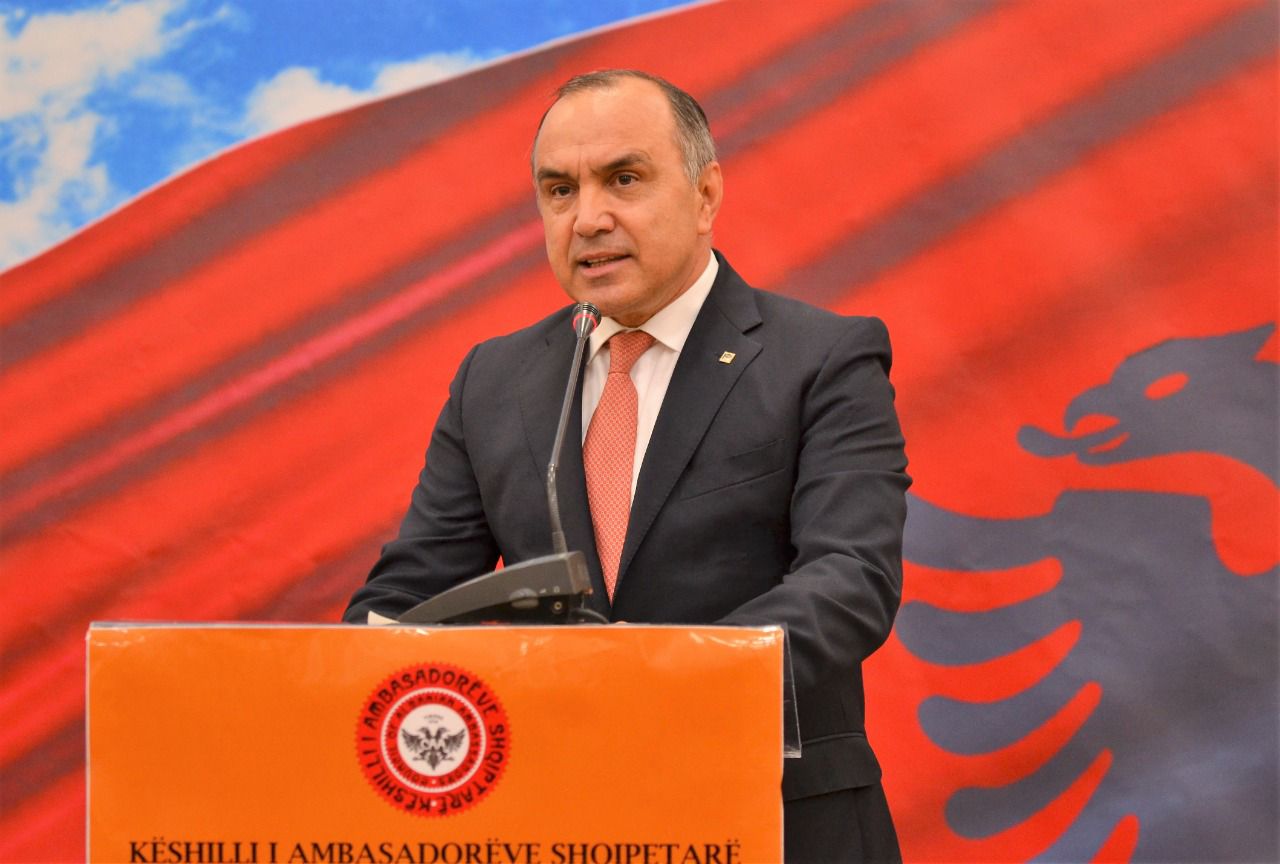
*Ambassador, Executive Director of the Albanian Ambassadors Council
© 2026 Argumentum